Why the Rainy Season is the Best Kept Secret for Monsoon Trekking in Nepal: A Guide to the Top 5 Rain-Shadow Travel Destination
31 Jul 2026 20 min to read

Nepal’s monsoon season is presented as a quieter, cheaper time to trek, especially in rain-shadow regions that stay relatively dry. The guide highlights benefits such as fewer crowds, lush scenery, and cultural festivals, while noting common challenges like slippery trails, leeches, cloud cover, and flight delays.
It profiles five monsoon-friendly treks: Upper Mustang, Upper Dolpo, the Jomsom-Muktinath section of the Annapurna Circuit, Ghorepani Poon Hill, and the upper Manaslu Circuit. It also covers packing, safety, permits, guide requirements, timing, and practical advice for planning a monsoon trek.
The Secret Season Most Travelers Miss
It is natural for anyone to think it is better to avoid trekking or just travelling during the monsoon, which makes it natural to avoid Nepal altogether. Most imagine relentless rain, muddy trails, and views obscured by clouds. And they might be right for the most parts. But what if we told you that you’re missing the season that offers the most dramatic, private, and affordable Himalayan experience?
Truth to be told, Nepal’s geography is much more complex than a single weather system. This means, while certain parts of the country receives 80% of its annual rainfall during the monsoon, there are other regions that remain surprisingly dry. These regions are known as “rain-shadow” areas, one of the most popular of those, “Upper Mustang” receives less than 300mm of rain every year. Therefore you can easily get access to these regions even in monsoon.
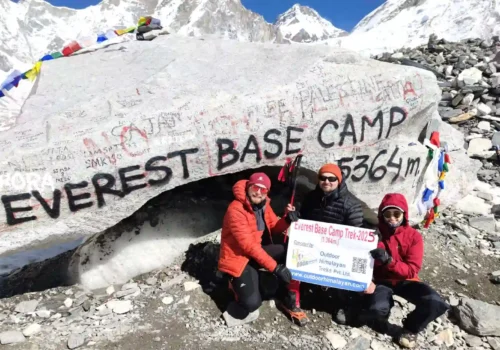
So while you won’t be able to trek to places like EBC, ABC or most high-altitude regions, there are some areas monsoon trek is popular. Setting aside some of the monsoon-specific problems, you can travel at a budget cost, with less crowd and experience the after-rain clear environment of Nepal.
In our years of organizing treks across Nepal, we’ve learned that the monsoon rewards the prepared traveler with something spring trekkers never see: empty trails, impossibly green landscapes, and a sense of solitude that feels like discovering a secret world.
In this guide, we’ll show you the top 5 rain shadow treks, exactly what to pack, and how to stay safe, so that you can experience Nepal’s best-kept secret.
What Makes Monsoon Trekking Different (Any Why It’s Worth It)
We’ll be honest, saying monsoon allows as easy treks as other seasons do would be a big lie. It’s not for everyone. The trails can be particularly slippery, leeches are at their worst and the sometimes the mountains hide behind the clouds. We understand why most travelers book their trips for October or April.
But we have to tell you what others don’t. We’ve been organizing treks for over years and our team are well-versed in finding strategies for every challenge; choosing right trails and timing days around the weather patterns.
The secret to not getting rained on during the monsoon isn’t to avoid it altogether. It’s knowing where to go. Some parts of Nepal are protected by the Himalayan rain shadow, resulting them in receiving little to no rain even in July. And that’s exactly what we’ll show you next.
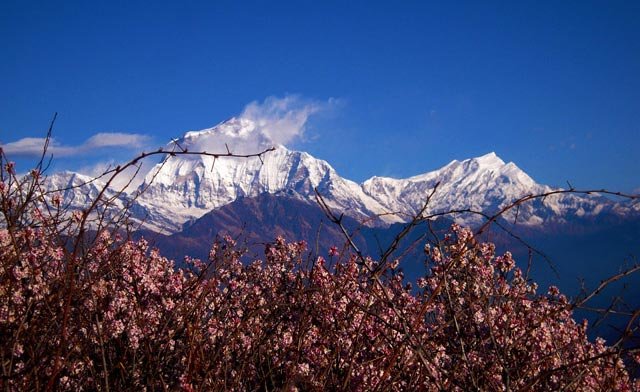
Why the Rainy Season is Nepal’s Best-Kept Secret
Even though the “best season” to travel most destinations in Nepal are autumn and spring, you shouldn’t overlook the perks of monsoon trekking in Nepal. With proper preparation, you’ll get an unforgettable experience in Nepal that you can only get during these months.
Here are some things that make travelers choose monsoon travel in Nepal:
- Solitude on the Trails
This is the main benefit of trekking in monsoon. You won’t encounter crowds or wait in line for the best photo spot. Plus, with no queue at teahouses and no packed lodges, you accommodation experiences also becomes relaxing.
This means, you’ll have the views and the peaceful environment all to yourself.
The Trade-Off: Some mountain views are hidden by clouds, so you’ll have to be mindful about your timing for clear views. But the peace, tranquility and sense of discovery might actually be worth it.
- Lush, Dramatic Landscapes
While spring is beautiful and autumn is clear, monsoon transforms Nepal into an impossibly green wonderland. In monsoon, you’ll be able to witness rhododendron forests burst into vibrant life. Waterfalls that dries up in spring comes back to life. Terraced hillsides glow in shades of emerald and gold. The washed clean air gives you crystal-cleat dawn views which is the best part of this season.
- Better Prices, More Value
The travel expenses during monsoon season is undoubtedly and significantly less expensive than other peak seasons. You can book teahouses at 20-30% less than peak season. The rates of domestic flights as well as guides and porters are low at this time. Also most tour packages are discounted on full itineraries, so overall monsoon is a good time for you to trek if you’re on budget.
- Unique Cultural Experiences
You can experience some culture experiences only in monsoon, as it is a festival time in Nepal. You can witness festivals like:
- Rato Machhindranath (June/July): a spectacular chariot festival in Patan
- Naga Panchami (July/August): serpent worship celebrations
- Janai Purnima (August): sacred thread festival with vibrant rituals
Local Teahouses: Without the crowds, teahouse owners have more time to share stories, cook traditional meals, and offer genuine hospitality.
- You’ll Come Home with a Better Story
Trekking is October is easy, predictable, and safe. But in monsoon, it takes courage, preparation, and an adventurous spirit.
But monsoon trekking gives you a story worth telling. Your trip will become a memory that lasts a lifetime.
The bottom line is that the monsoon isn’t a season to avoid, it’s a season to choose intentionally, especially if you want solitude, lush landscapes, better prices, and a unique & challenging experience.
Choose a guided trip with experienced local guides who know the trails, weather, and secrets of Nepal’s best-kept season. This will not only increase your safety but help you experience a smooth journey during monsoon in Nepal.
So now that you understand why the monsoon is worth it, let’s get to the how. Not all treks are created equal during the rainy season. Some regions get drenched while others are protected by the Himalayan rain shadow, remaining surprisingly dry.
Top 5 Rain Shadow Treks to Explore During the Monsoon
The Himalayas stopping the rain clouds to get to these regions during monsoon makes them “rain-shadow areas”. These 5 monsoon treks are popular among trekkers, and rightfully so. We have ranked them by accessibility and experience level required.
Upper Mustang – The Desert Kingdom
Duration: 10-14 days | Max Altitude: 3,800m | Difficulty: Moderate
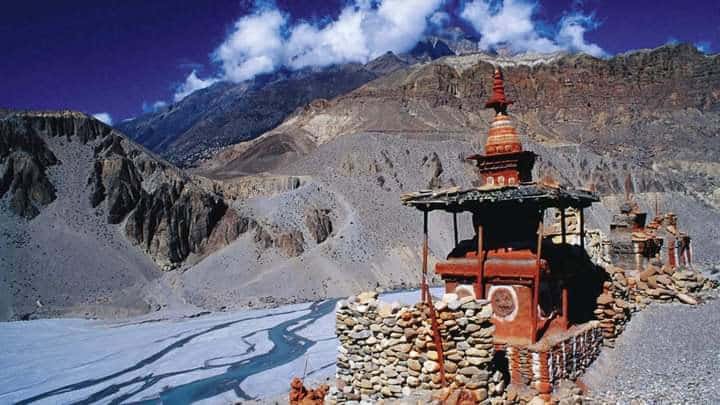
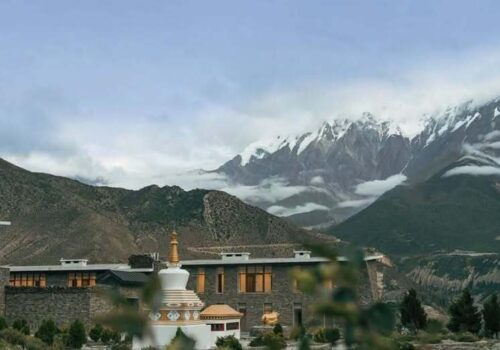
Upper Mustang is the driest region in Nepal, which receives less than 300 mm of rainfall per year. The area is shielded by the rain shadow of the Annapurna and Dhaulagiri ranges, hence the trails are dry even during the monsoon season.
Imagine dramatic red cliffs, white villages, and monasteries perched on rocky outcrops. The walled city of Lo Manthang gives the illusion of being transported back to an era long gone. This Himalayan region is home to a unique Buddhist kingdom that has been preserved for centuries.
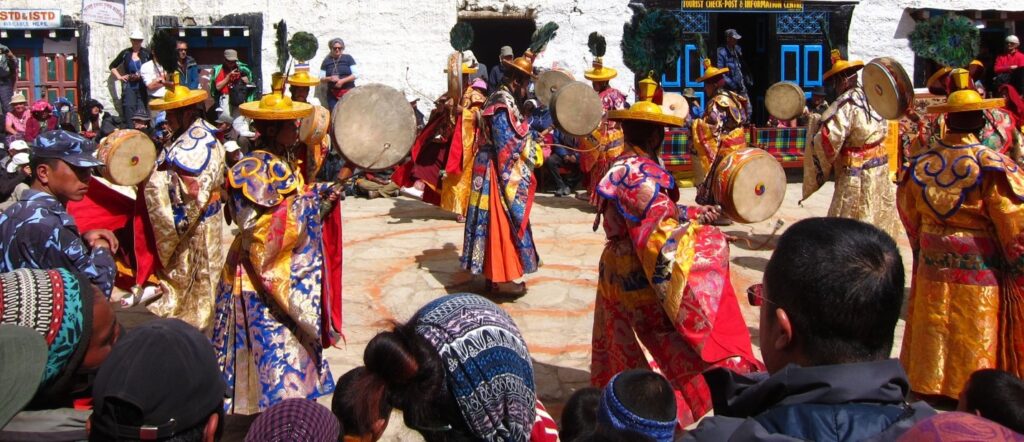
If you come in May, you may be able to witness the Tiji Festival, a three-day ceremony performed to chase away demons. Even if you can’t see the festival, the monasteries and prayer flags still create an otherworldly atmosphere.
As this is the restricted region, you need to get the Restricted Area Permit (RAP). Besides that, you’ll need Annapurna Conservation Area Permit (ACAP) and Trekkers’ Information Management System (TIMS). If you book with us, we’ll arrange every permit for you.
Best for: Culture enthusiast, photographers, and experienced trekkers seeking something truly unique.
Pro tip: The drive from Pokhara to Jomsom is an adventure in itself. Our guides know the best spots to stop for photos and local tea. We always recommend a day in Jomsom to acclimatize before heading further north.
Upper Dolpo
Duration: 18-24 days | Max Altitude: 5,375m (Kang La Pass) | Difficulty: Challenging
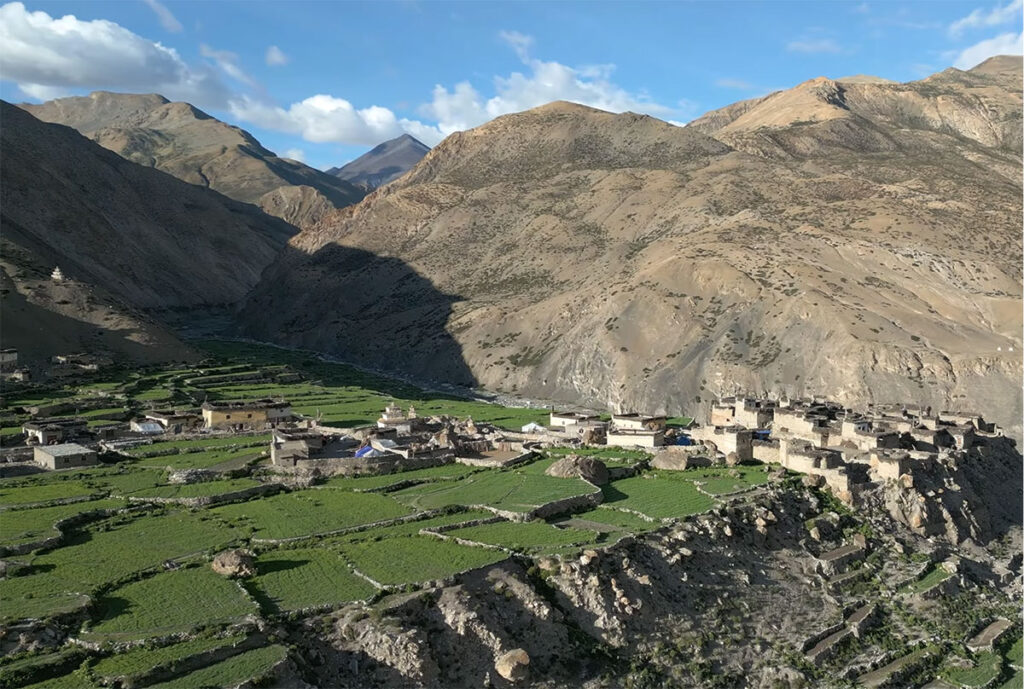
Upper Dolpo is another rain-shadow area that receives extremely low rain in the monsoon season. In fact it is one of the most remote and dry regions in the far northwest region of Nepal. Occupying a large area, Dolpo (also called Dolpa), is an arid, desert-like high mountain region, between the Great Himalayan Mountain range.
This is an off-beat trek that has been a region of curiosity for anthropologists and geographers. You’ll also be able to experience Nepal’s biggest national park, the Shey Phoksundo, in this region. This is a haven for wildlife photographers, as rare animals like Musk Deer, Himalayan Blue Sheep, and Snow Leopard can be seen here. Also those who want to trek in less-crowded regions, without much complexities would love this region with diverse landscape of crystal clear lakes, high-altitude deserts and untouched Himalayas.
This region is also heavily influenced by the Tibetan Buddhist culture, which can be seen from the way people live. Shey Phoksundo, Nepal’s deepest alpine lake, and the park, are the highlights of the trek, and the names are derived from the famous Shey Monastery.
Upper Dolpo is also another restricted region of Nepal, so you will need Restricted Area Permit (RAP). Plus, Shey Phoksundo National Park Permit and TIMS is required to enter this region, all of which are arranged by your agency.
Best For: Adventurers, experienced trekkers, those seeking complete solitude
Pro Tip: This trek requires careful acclimatization. Our itineraries include extra rest days to ensure you enjoy the high passes safely.
Annapurna Circuit (Jomsom-Muktinath Section)
Duration: 8-10 days | Max Altitude: 3,800m (Muktinath) | Difficulty: Moderate

Not the entire Annapurna Circuit, but the Jomsom-Muktinath section is the rain-shadow region. It lies in the Kali-Gandaki Valley which is one of the driest parts of the Annapurna region. It is already popular for holding religious importance for Hindus & Buddhists. But because monsoon season doesn’t affect this area much, it is a wonderful trek option for this time.
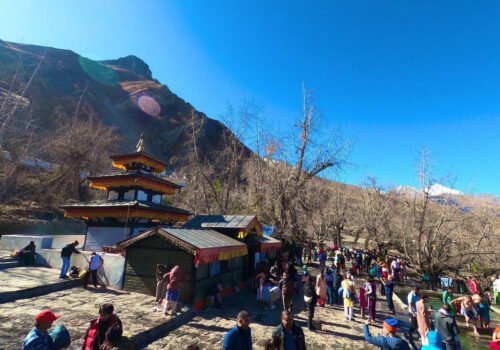
The major highlight of this trek is the Muktinath Temple, a sacred site popular for its 108 holy water taps. This already attracts many people towards it. And the unique Thakali culture of its people is another plus point of this trek. The apple orchards you’ll meet along the way is another thing that is popular among the travelers.
The main landscapes you’ll discover here is arid, desert-like area that is unlike any other regions in Nepal. The views of mountains like Dhaulagiri and Nilgiri peaks are phenomenal from this region.
You’ll need permits like ACAP and TIMS to enter this region for trekking.
Best For: First-timers, spiritual travelers, those with limited time
Pro Tip: The best apple pie in Nepal is at the teahouse in Marpha. We always recommend our trekkers stop there- it’s a local secret.
Ghorepani Poon Hill
Duration: 3-4 days | Max Altitude: 3,210m (Poon Hill) | Difficulty: Easy to Moderate
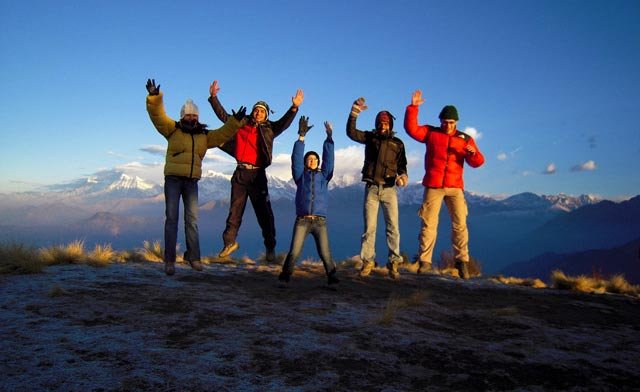
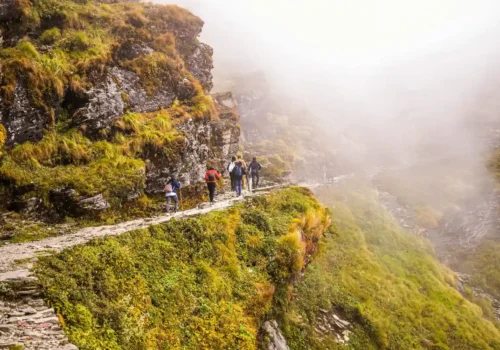
Compared to others in this list, Ghorepani Poon Hill receives higher rainfall, but it is manageable its lower altitude makes it manageable. The trails are well-maintained, and you can work around weather windows; typically mornings are clearer before the afternoon clouds roll in.
Imagine waking up really early in the morning and having hiked up a relatively short trail to Poon Hill viewing point to be rewarded with a breathtaking view of the Annapurna and Dhaulagiri range of mountains painted in golden hues by the rising sun. This is one of Nepal’s most accessible panoramas that is easy to attain for everyone irrespective of their fitness level.
The trail winds through charming native Gurung and Magar villages such as Ghandruk and Tikhedhunga. Friendly and hospitable, these people are always willing to share their culture and hospitality with you.
In the monsoon, the forest takes on a brilliant green hue. The rhododendrons (Nepal’s national flower) bloom along the trail and the terraced hillsides below the trail add color to the landscape.
For this trek, you’ll require ACAP (Annapurna Conservation Area Permit) and TIMS (Trekkers’ Information Management System). We arrange all permits for you.
Best For: Families, beginner trekkers, photographers, and those with limited time. It’s the perfect introduction to Himalayan trekking.
Pro Tip: We always advise our trekkers to start the Poon Hill sunrise hike by 4:00 AM to beat the monsoon clouds. The early start pays off with unobstructed views. Also spending an extra night in Ghandruk village; the hospitality and mountain views from the homestays are unforgettable.
Manaslu Circuit – The Remote Jewel of the Himalayas
Duration: 12-18 days | Max Altitude: 5,106m (Larkya La Pass) | Difficulty: Challenging
Best Season for Monsoon: July – August (upper valley dry)
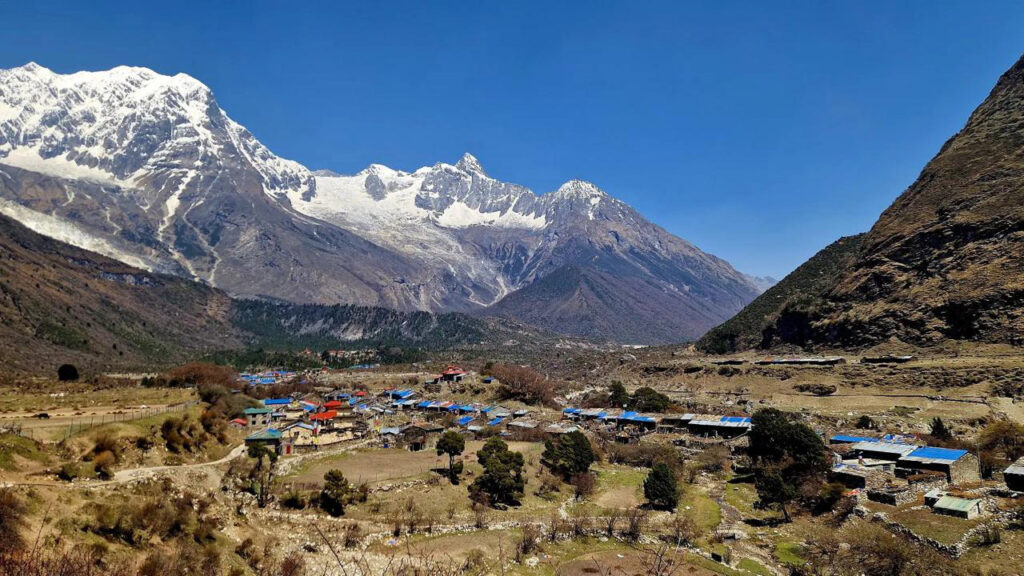
To be honest, Manaslu Circuit isn’t for everyone because of the lower part being wet, muddy, and challenging during the monsoon season. But what most guides will not tell you is that above certain height, in the Nubri valley, the conditions change completely.
The lower trail from Soti Khola to Namrung is absolutely slurry, full of leeches and challenging but once you get pass 3,000m ascent into the Nubri valley it changes completely as the Tibetan plateau creates a rain shadow making the Nubri valley completely dry even in the rainy season. So while it can rain heavily in Jagat in June, Samagaun stays dry and windy on the same afternoon.
The Nubri Valley is a land of traditional Tibetan Buddhism with unique cultural values that have been preserved in this region for centuries. During your trek, you will see ancient monasteries and numerous mani walls and chortens. However, the village of Samagaun is probably the most remarkable settlement for reflecting the true lifestyle of the local tribe, the Nubri people, who live there traditionally and speak their own language.
For trekking to this region, you’ll need Restricted Area Permit (RAP) which is mandatory as you are entering the restricted area. Other permits you’ll need include Manaslu Conservation Area Permit (MCAP), Annapurna Conservation Area Permit (ACAP) and TIMS Card.
Important Note: You must trek here with a licensed guide, independent trekking is not permitted. We arrange all permits and guides for you.
Best For: Experienced trekkers, adventurers, those seeking solitude, and culture enthusiasts. This is not for beginners; you need previous high-altitude trekking experience.
Pro Tip: We have learned the optimal way to plan your monsoon season tour. It is best to hike the lower gorge on days when you expect no rain, leaving early in the morning to avoid afternoon showers. On the days when you have no hike planned, try to save them for the upper valley, where you can acclimatize to the altitude. Samagaun is a great place to rest and enjoy the Manaslu view. The sight of the mountain from the monastery is worth seeing and will most likely be enjoyed without any crowds.
Essential Tips for a Safe and Unforgettable Monsoon Trek
After organizing treks across these regions, we’ve learned exactly what works, and what doesn’t, during the monsoon season. Here’s everything you need to know before you go.
What to Pack (And What to Leave Behind)
Your packing list can make or break your monsoon trek. Here’s what we recommend:
Essential Items:
- Quick-dry clothing (no cotton- it stays wet and causes chafing)
- Waterproof trekking boots with good grip (slippery trails are no joke)
- Leech socks (yes, they’re a thing, and you’ll thank us later)
- Dry bags for electronics, clothes, and sleeping bag
- Headlamp (for early morning starts and teahouse evenings)
- Reusable water bottle (or hydration pack)
- Sunscreen and lip balm (the sun is strong even through clouds)
- First-aid kit (including blister plasters and Diamox for altitude)
What to Leave Behind:
- Heavy cotton clothing (takes forever to dry)
- Non-waterproof gear (it will fail you)
- Expensive electronics without waterproof protection
Pro Tip: We always recommend packing your daypack with everything you need for the day, including a change of clothes. You’d be surprised how often trekkers arrive at the teahouse soaking wet, having dry clothes to change into is a life-saver.”
Safety First | The Monsoon-Specific Risks
No wonder the trekking in monsoon has its unique challenges. Hence we have our own way to handle them:
| Risk | How We Manage It |
| Slippery trails | Our guides pace the trek carefully, and we provide trekking poles |
| Leeches | We carry salt (it dissolves them instantly) and offer guidance on prevention |
| Landslides | We monitor weather reports and have alternative routes planned |
| Altitude sickness | Our itineraries include proper acclimatization days |
| Flight cancellations | We build buffer days into our itineraries |
Altitude Awareness:
It’s never a great time to suffer from altitude sickness, and our experienced and trained guides look for early signs. Oxygen and a full first aid kit will be carried on all high altitude treks.
Why You Need a Licensed Guide (Especially During Monsoon)
This is not just about getting permits. It’s more about safety.
When its monsoon season the trail can be really slippery and the routes can be hard to follow. The unpredictable weather also makes trekking in monsoon difficult.
All these facts make taking a certified guide much more important. Our guides are:
- Trained in first aid and altitude sickness recognition
- Familiar with every teahouse, trail, and weather pattern
- Licensed by the Government of Nepal (we only hire registered guides)
- Local experts who know the culture, the people, and the land.
Our team has been leading treks for over a decade. We know the teahouse owners, mountain trails, and the best spots for sunrise. When you trek with us, you’re not just booking a guide, you’re gaining a local partner who will ensure your safety and enrich your experience.
Timing and Flexibility – The Monsoon Strategy
When you trek in monsoon, the most important thing to prioritize is your timing.
- Start Early
During the monsoon, afternoons are generally wetter than morning. We recommend you to start trekking during dawn so that you can enjoy clearer views and drier trails. By the time rain starts, you’ll already be at your teahouse having tea enjoying the view of the clouds rolling in.
- Build Buffer Days:
We always add buffer days to our monsoon itineraries. So that even if you encounter any unforeseen situation, such as delayed flight, or trail blocks, you’ll still have the flexibility to wait it out without stress.
- Weather Windows
There is a reason why we suggest specific treks for monsoon. Upper Mustang, Upper Dolpo, and the upper Manaslu Circuit are out top choices because they remain dry even in July. If you’re set on a monsoon trek, pick your destination wisely.
Respect the Land and Its People
No matter where you go, respecting the land and its people should always come first. There aren’t strict rules, just some simple things you can do to show respect.
- Removing shoes before entering is a cultural custom followed in most areas of Nepal.
- Always ask before takin photos of people
- Carry all your rubbish out (there are no waste management facilities in the mountains
- Stay on the trail (for safety as well as protection of fragile vegetation)
Cultural Awareness
The villages you’ll pass through are not just tourist attractions, they are people’s home. Treat them with the same respect you’d expect in your own neighborhood.
When to Book – Plan Ahead!
Although there will be significantly less crowd during the monsoon reason, booking early is still a good idea to avoid any stress later. Also, the permits for restricted areas are limited (especially Upper Mustang and Manaslu). Booking teahouses early is important as they can prepare accordingly. Also flights to remote airstrips can be limited during this season.
Ready to Experience Nepal’s Best-Kept Secret?
We understand how overwhelming it can be to plan a trek in general. You need to research, arrange permits, hire guides and confirm teahouse bookings. But you don’t have to figure everything out alone.
We’ve been guiding travelers like you for years so we know exactly what works and what doesn’t. We can help you create an itinerary that matches your experience, fitness, and dreams.
But if monsoon trek is not for you, we also offer treks to other destinations like Everest and Annapurna, or other cultural tours across Nepal. We also arrange tours in other countries like Bhutan, Tibet, India and Pakistan.
Reach out today for consultation. We’ll answer all your questions, address your concerns, and help you decide which monsoon trek is right for you.
Some FAQ About Monsoon Trek in Nepal
- Can you trek in Nepal during monsoon?
Yes. Trekking in Nepal is possible but just on the right routes. Rain shadow regions like Upper Mustang, Upper Dolpo, and parts of Manaslu remain dry while the rest of Nepal gets rained on. The key is choosing destinations protected by the Himalayan rain shadow.
- What is the monsoon season in Nepal?
Nepal’s monsoon typically runs from mid-June to mid-September, with July and August being the rainiest months. During this period, southern and central Nepal receive heavy rainfall, while trans-Himalayan regions remain dry.
- What are the best rain shadow treks in Nepal?
The top monsoon-friendly rain shadow treks are Upper Mustang (driest region), Upper Dolpo (trans-Himalayan plateau), Manaslu Circuit (upper sections), Ghorepani Poon Hill (short; manageable even with some rain), Annapurna Circuit (Jomsom-Muktinath).
- What treks should I avoid during the monsoon?
Avoid these routes between June and August: Everest Base Camp (heavy rain, poor visibility, flight cancellations), Langtang Valley (trail damage, landslides, river crossings), Annapurna Circuit (full circuit) (Thorong La dangerous with snow/rain), Manaslu Circuit (lower gorge) (landslides, dangerous river crossings)
- Is monsoon trekking cheaper than peak season?
Yes. Teahouse accommodation, domestic flights, and guided packages drop 20-40%. This is one of the most compelling reasons to trek during the monsoon.
- Do I need a guide for monsoon trekking?
Yes. It is strongly recommended and required for the restricted areas. Monsoon conditions demand local knowledge, contingency planning, and safety awareness. A licensed guide handles permits & logistics, navigates trail & weather conditions, recognizes altitude sickness symptoms and knows which crossings/paths are safe.
Independent trekking is not permitted in restricted areas like Upper Mustang, Dolpo, and Manaslu.
- Will I see mountains views during the monsoon?
In rain shadow regions like Upper Mustang and Dolpo, yes. Mornings are often brilliantly clear. In wetter regions, expect cloud cover from late morning onward. The trade-off: the air is washed clean overnight, creating some of the best dawn views of the year.
- Is it safe to trek in Nepal during the monsoon?
Monsoon trekking is safe with proper preparation and a licensed guide. Key safety considerations:
- Always trek with a TAAN-registered guide
- Check weather forecasts daily
- Build buffer days for flight delays
- Never cross swollen rivers without local guidance
- Carry comprehensive travel insurance covering helicopter evacuation.
- What is the weather pattern like during the monsoon?
Most days follow a pattern which looks like this:
5 am – 10 am: Clear skies, some of the best mountain views of the year
10 am – 2 pm: Clouds build; humidity rises
2 pm – 8 pm: Rain arrives; plan to be at your lodge
Night: Rain tapers off; perfect sleeping conditions
Updated On: 5 Aug 2026