
Upper Mustang Tiji Festival Trek 2026: Dates, Routes & How to Book

5 - Excellent
TA-winner-badge

Upper Mustang Tiji Festival Trek 2026: Dates, Routes & How to Book 21 Days, Moderate

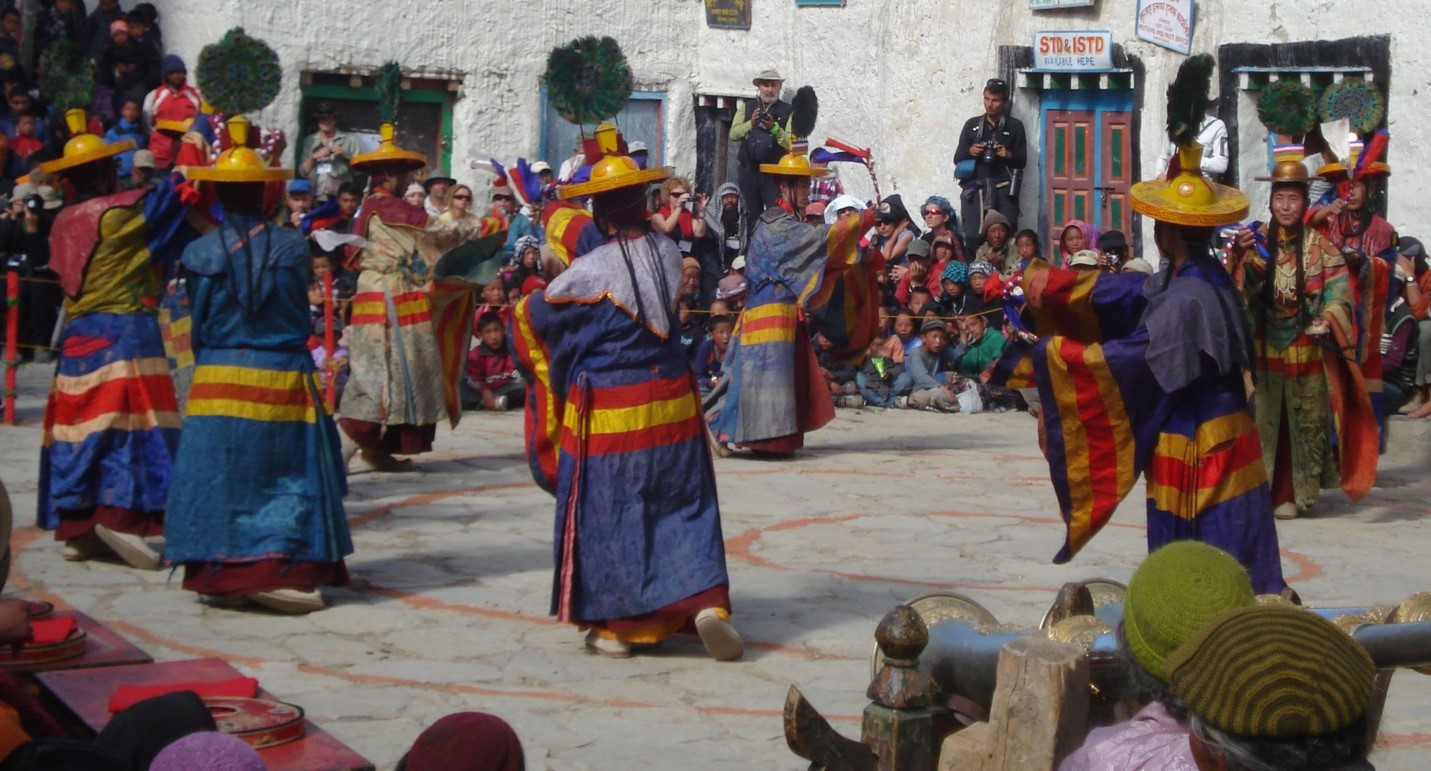
The Upper Mustang Tiji Festival trek takes you into Nepal’s forbidden kingdom of Lo Manthang in the Upper Mustang. Each May, the Mustang Bhot community celebrates Tiji; a three-day Tibetan Buddhist festival of masked dances, rituals, and a giant Thangka display, symbolizing the victory of good over evil.

The festival dates back over 300 years, with monks from Chode monastery performing the sacred Vajrakila ritual for world peace. Tiji 2026 dates: May 13, 14 & 15 in Lo Manthang.


Is this Upper Mustang Tiji Festival Trek for me?

Physical Grading: Moderate

Moderate trek suitable for trekkers with basic fitness who can walk long hours daily on dry, rocky trails. No technical climbing required, but prepare for dusty conditions and few steep ascents.

Max Elevation: 4,320 m

Highest point of the trek, offering stunning views of the Upper Mustang Valley

Accommodation: Hotel, Teahouse

Basic and comfortable accommodation with basic services during the trek and a standard hotel in a city

Meals: Full Board

3-course Healthy and Hygienic meals during the trek, and only breakfast in the city

Best Season: May

This trek is only possible in May as the festival happens to be in May 13, 14, & 15 in 2026. The weather is stable with clear mountain views and dry trail conditions.

Trip Route:

Kathmandu - Pokhara - Jomsom- Kagbeni - Chele - Syangmochen - Dhakmar - Charang - Manthang - Ghami - Samar - Chhusang - Muktinath - Jomsom - Pokhara - Kathmandu


Is this Upper Mustang Tiji Festival Trek for me?

  1. Witness the Tiji Festival live in Lo Manthang; a 3-day Tibetan Buddhist ritual of masked dances, chanting and Thangka display
  2. Trek into the Forbidden Kingdom; Upper Mustang, a restricted region neat the Tibet border
  3. Explore Lo Manthang; the ancient walled capital with royal palace, monasteries, and narrow alleys
  4. Visit Chode Monastery, where monks perform the 300-year-old Vajrakila ceremony
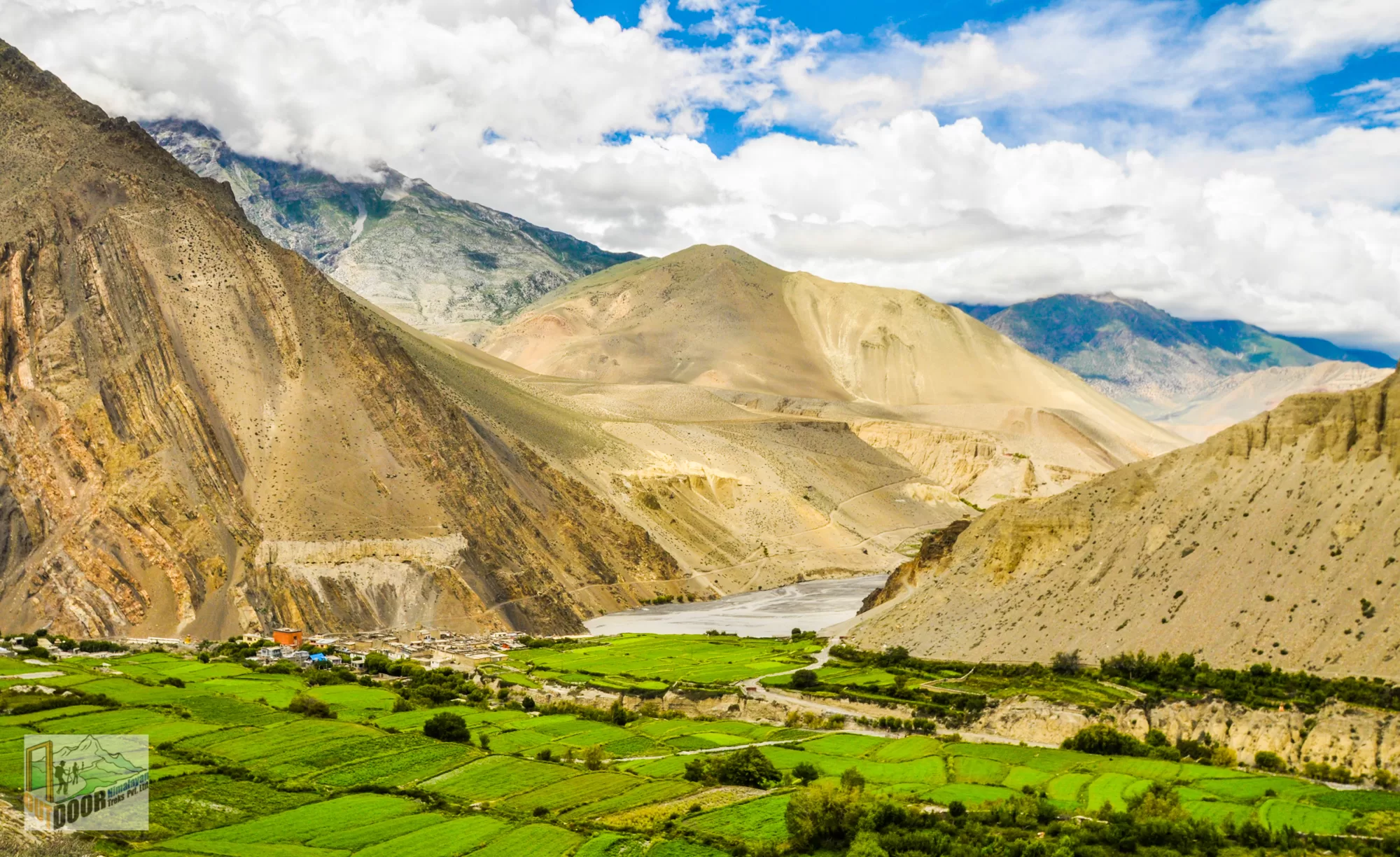
  5. Dramatic rain-shadow landscapes: cliffs, caves, rock formations
  6. Cross high passes like Nyi La (3,940m) and Taklam La (3,624m) with panoramic Himalayan views
  7. Experience Mustang Bhot culture – local traditions, dress, food, and hospitality

Upper Mustang Tiji Festival Trek Overview

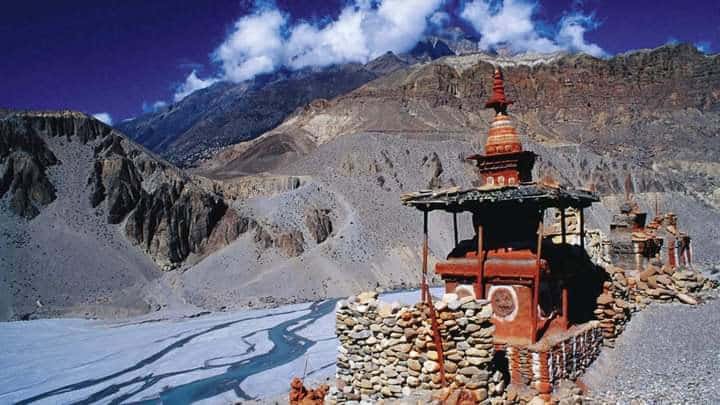
The Upper Mustang Tiji Festival Trek is one of Nepal’s most unique cultural journeys, taking you into the forbidden walled city of Lo Manthang neat the Tibet border. Unlike the lush green hills of other Himalayan treks, this route leads you through a dramatic rain-shadow landscape of arid cliffs, ancient caves, and rock formations that feels more like the Tibetan plateau.

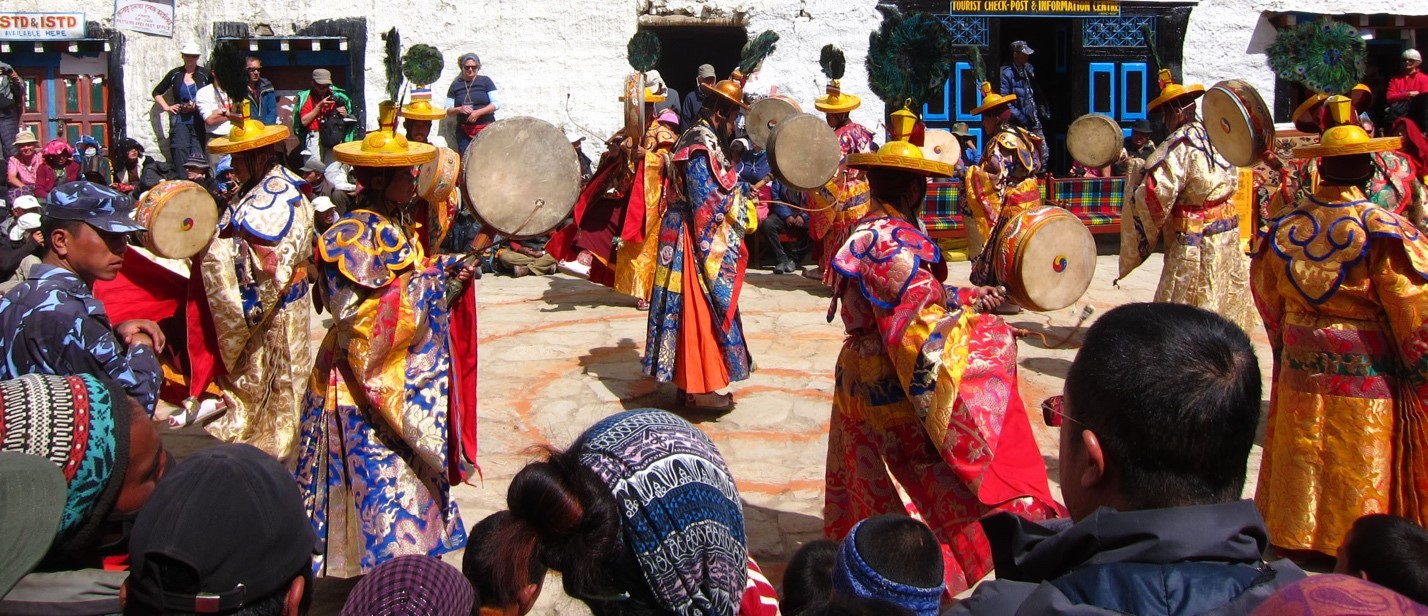
The trek is timed specifically for the Tiji Festival, a three-day Tibetan Buddhist celebration held every May in Lo Manthang. In 2026, the festival falls on May 13, 14, and 15. Monks from Chode Monastery perform sacred masked dances in the square before the Rashi Gephel Palace, reenacting the ancient myth of Dorjee Sonnu defeating a demon that once threatened the Mustang kingdom. The name Tiji comes from Tempa Chirim, meaning “Prayer for World Peace”.

The journey begins with a flight from Pokhara to Jomsom, then follows the ancient Kali Gandaki riverbed north into Upper Mustang. You’ll cross high passes like Nyi La and Taklam La, pass through villages inhabited by Mustang Bhot people, and walk alongside centuries-old stupas and prayer flags. The trek stays within the restricted Upper Mustang region, which requires a special permit and is only accessible to trekkers with registered guides. This is a moderate difficulty trek, suitable for anyone with a reasonable fitness level who wants to witness a festival celebrated nowhere else on earth.
View All Photos

Upper Mustang Tiji Festival Trek Gallery

Upper Mustang Tiji Festival Trek Outline Itinerary

Day 01: Kathmandu arrival (1400m)
Arrive in Kathmandu, welcomed by our representative, and transfer to the hotel. Meet your guide for trek briefing.

Day 02: Kathmandu sightseeing & trek preparation (1400m)
Guided tour of UNESCO World Heritage Sites. Finalize permits and pack for the trek.

Day 03: Drive to Pokhara (900m)
Scenic 7–8 hour tourist bus drive from Kathmandu to Pokhara alongside the Trishuli River.

Day 04: Fly to Jomsom & trek to Kagbeni (2800m)
20-minute morning flight to Jomsom. Trek 3–4 hours along the Kaligandaki River to Kagbeni — the gateway to Upper Mustang.

Day 05: Trek to Chele (3050m)
Leave Kagbeni, cross the Kaligandaki, and walk through Tangbe village to Chhusang, then climb to Chele.

Day 06: Trek to Syangmochen (3800m)
Steady climb crossing Taklam La Pass (3624m) and Dajori La Pass (3735m) with views of Nilgiri and Tilicho peaks.

Day 07: Trek to Dhakmar (3820m)
Cross Nyi La Pass (3940m) — the highest point of the trek — then descend through Ghami village to Dhakmar.

Day 08: Trek to Charang (3600m)
Gradual descent through barley fields to Charang. Visit the impressive Charang Gompa (Red Monastery).

Day 09: Trek to Lo Manthang (3840m)
Cross a plateau and gentle pass before descending into the forbidden walled city of Lo Manthang.

Day 10: Explore Lo Manthang (3840m)
Rest and acclimatization day. Visit Tashi Gephel Palace, Chode Monastery, and walk along the ancient city walls.

Day 11: Tiji Festival – Day 1 (3840m) – May 13, 2026
Unfurling of 400-year-old Thangka. First masked dance (Tsa Chham) depicting the harassment of the demon.

Day 12: Tiji Festival – Day 2 (3840m) – May 14, 2026
Aggressive masked dances with weapons and animal masks. Slaying of the demon effigy with ceremonial dagger.

Day 13: Tiji Festival – Day 3 (3840m) – May 15, 2026
Final day with ritual offerings. Grand procession through Lo Manthang with the Mustang King and monks. Festival ends.

Day 14: Trek to Ghami (3510m)
Begin return journey. Cross the plateau back to Ghami village.

Day 15: Trek to Samar (3620m)
Cross Nyi La Pass again and descend into Samar village on a saddle.

Day 16: Trek to Chhusang (2980m)
Descend through Chele back to the Kaligandaki valley floor. Cross river to Chhusang.

Day 17: Trek to Muktinath (3800m)
Steep climb out of Chhusang to Muktinath. Visit the sacred temple with 108 water spouts and eternal flame.

Day 18: Trek to Jomsom (2740m)
Descend along the Kaligandaki riverbed to Jomsom. Celebrate trek completion.

Day 19: Fly to Kathmandu via Pokhara (1350m)
Morning flight Jomsom → Pokhara → Kathmandu. Transfer to hotel. Free evening.

Day 20: Free day in Kathmandu (1400m)
Buffer day for flight delays. If on time, explore Patan, Garden of Dreams, or Thamel.

Day 21: Departure 
Transfer to airport for international flight. Fly home with unforgettable Tiji memories.

Upper Mustang Tiji Festival Trek 2026: Dates, Routes & How to Book Essential Information

Accommodation:

Teahouses or Lodges are common accommodation types during the Upper Mustang trekking route. They provide basic but comfortable rooms, typically twin-shared with shared bathrooms. In Lo Manthang, lodges can be more rustic. They won’t be luxurious but you will find warm hospitality and a bed after each day’s walk. You may have to pay additional costs for facilities like Wi-Fi, laundry, hot bucket water, and charging devices. Internet and phone networks are mostly stable in the lower regions.

Meals:

All meals are provided along the Upper Mustang trail. Expect Nepali staples like dal bhat (rice and lentils), noodles, momo dumplings, soups, and Tibetan bread. In Upper Mustang, you’ll also find local buckwheat dishes and thukpa (noodles soup). Breakfast and dinner at your teahouse, lunch is served at the stopovers during the trek. Only breakfast is provided in cities.

Drinking water:

Drinking water during the Upper Mustang trek is easily available. You can buy Mineral Water, fill tap water, or boiled water at teahouses as preference. Always carry a water bottle to minimize plastic pollution and use water filter bottle or purification tablets. This reduces plastic waste and saves money.

Vehicles or airways are the means of transportation during the Upper Mustang Tiji Festival Trek.

  • Kathmandu – Pokhara by tourist bus
  • Pokhara – Jomsom – Pokhara – Kathmandu by air (domestic flight)
  • Flight options and private vehicle options from Kathmandu – Pokhara – Kathmandu are available at an applicable cost.

The Tiji Festival trek is only possible in May; specifically timed for the festival dates. May offers stable weather, clear mountain views, and dry trail conditions. Upper Mustang lies in the rain shadow of the Himalayas, so it receives far less rain than other trekking regions. Avoid monsoon (June – August) and winter (December – February) when passes may be snowed in.

Upper Mustang Trek requires compulsory three permits i.e. Upper Mustang Restricted Area Permit (RAP), Annapurna Conservation Area Permit (ACAP), and the Trekkers Information Management System (TIMS).

Annapurna Conservation Area Permit (ACAP)

Foreigners- NPR 3000/person

SAARC- NPR 1000/person

Upper Mustang Restricted Area Permit (RAP)

USD 500 per person (10 days) + extra USD 50 per person per day (beyond 10 days)

Trekkers Information Management System (TIMS)

Foreigners- NPR 2000/person

SAARC- NPR 1000/person

Diplomats/Foreign Officials & their families- NPR 500/person

Documents required

  • Scanned copies of passport-sized photos and passports of each participant
  • Travel Insurance
  • Annapurna Conservation Area Permit (ACAP)
  • Upper Mustang Restricted Area Permit (RAP)
  • TIMS

Difficulty

The Upper Mustang trek is considered a moderately difficult trek with the maximum elevation of 4,320m. The trek involves 5-6 hours of walking per day on mostly dry rocky trails. There are no technical climbing sections, but some steep ascents to passes like Nyi La (3,940 m) and Taklam La (3,624 m). The main challenge is the arid, dusty environment and moderate elevations. Previous experience is preferable for this trek. Our support is always there throughout your journey from start to end.

Fitness:

Upper Mustang trek demands trekkers to have high level of fitness. You should be able to walk comfortably with a light daypack. It requires you to be physically and mentally sound. With proper preparation, physical fitness, and acclimatization, it is achievable. Prior hiking experience will be plus point. Besides, maintaining good health and necessary check-ups before the trek proves to be fruitful. Some physical exercises and mental exercises to carry out before the treks are as follows:

Physical Exercises:

4-6 weeks of cardio (walking uphill, jogging, cycling), flexibility and stability exercises, strength training (foot, ankle and core), and other hiking specific training

Mental Exercises:

Meditation, breathing exercises, stress management, reflection, focus & concentration exercises, goal-setting, staying calm and positive, etc can be a big help to actually enjoy the trek

The maximum elevation during the Upper Mustang trek is 4,320m (Chogo La Pass). Altitude sickness is common above 2500 m. As the elevation gains, the chance of getting altitude sickness increases. Hence, acclimatization rest is essential to prevent it. Appropriate acclimatization rest days have been set in the itinerary but they can be modified according to your comfort (removing them is not recommended).

Common symptoms of Altitude Sickness

Headache, nausea, dizziness, uneasiness, appetite, and sleep loss, and on extreme some can experience unconsciousness and hallucination.

As soon as you feel any of these symptoms, immediately tell your guide. And if the symptoms worsen, descend immediately.

Preventions for Altitude Sickness

  • Take acclimatization rest days
  • Inform the guide as soon as you start feeling uncomfortable
  • Ascend slowly and gradually
  • Keep yourself hydrated
  • Avoid alcohol and salty foods
  • Know your body’s limit and listen to the signs
  • Take good rest and sleep when you can
  • Take medicine (like Diamox) after consulting expert or your guide

This is mandatory as it acts as a safety net. We recommend getting travel insurance from a reputed company. Your policy must cover cancellations, accidents, health, emergency evacuation and loss, theft of, or damage to, baggage, and personal effects.

In emergencies, we will arrange for a helicopter rescue, medical treatment, and aftercare for you. All these costs shall be borne by your travel insurance company.

The Upper Mustang trek is a difficult graded trek. Since there is no technical climbing involved, only basic equipment and gear are required that trekkers can hire or bring on their own.

Clothing: Lightweight trekking trousers (2 pairs), thermal base layers (top and bottom), fleece jacket or mid-layer, down jacket, waterproof jacket and pants, towels, raincoats, balaclava, bandana, gaiters, gloves

Footwear: Broken-in trekking boots (waterproof, ankle support), camp shoes/sandals for teahouses

Essential Documents: Passport, Travel Permits, Visa Photocopy, Passport size photos

Food: Light snacks, Energy bars, and drink mix

Accessories: Sunglasses, Hats/Caps, Sunscreen, Lip balm, Water bottles, Pocket knife, Solar chargers, Batteries, Heat Lamps, Torch, Umbrella, Sewing kit, Water Purifying solution kits, reusable bags to deposit waste, separate clean/dirty clothes, basic first aid kid with personal medications

Gear: Daypack (25-35L) for daily essentials, duffel bag (porter carries usually 10-12kg limit), trekking poles (recommended for knees on rocky descents), sleeping bag (comfort rated to -10oC), headlamp with extra batteries, power bank (limited charging in teahouses, usually paid)

STANDARD SERVICE INCLUSION

  • Accommodation: Basic teahouse accommodation during the trek. Deluxe accommodation (2 persons per room) in Kathmandu and Pokhara.
  • Meals: 3 meals per day (breakfast, lunch, and dinner, which you can choose from the menu) during the trek. Breakfasts only in Kathmandu and Pokhara hotels
  • Transportation: Airport-hotel-airport transfers and sightseeing by private transportation. We will be there to welcome you at the airport and transfer you to your hotel. (Optional: Flight and Private Vehicle options from Kathmandu-Pokhara-Kathmandu are available at an applicable cost.)
  • Documentation: Trekking permits (ACAP, Upper Mustang RAP, TIMS)
  • Equipment/Accessories: Down jacket, sleeping bags, a waterproof duffel bag, first-aid kit, water purifying solution (iodine-based) for complimentary use (use if required)
  • Human resource: A professional and experienced trekking guide (English-speaking); a porter per trekker (carrying up to 15kg/person); all the expenses for the guide and porter(s) are covered (wages, accommodation, meals, transportation, insurance, flight tickets, etc).
  • Tax/Service Charge: All applicable taxes, service charges, or fees. We hereby guarantee you no ‘hidden charges’ afterward
  • Complimentary: Farewell dinner in Kathmandu (authentic Nepalese cuisines with live cultural show)
  • Trip Achievement Certificate: after returning from the trip, we will present you with a certificate of achievement
  • Emergency Rescue Service: Should any emergency arise during your trek, we will provide prompt and professional rescue and medical services. We carry a Supplementary oxygen tank with a mask and regulator for emergencies. However, you must be already insured for such emergencies, and your insurance policy must cover helicopter evacuation. Moreover, you should provide your policy details and authorize us to deal directly with your insurance company on your behalf. Please make sure that your insurance will cover helicopter evacuation up to 5650 meters.

What's not included?

  • Extra beverages like mineral water, alcohol, extra tea/coffee, etc
  • Any other personal expenses (extra meals/snacks/dessert, Wi-Fi, battery charging fees, photography charges, hot shower, telephone bills, laundry bar bills, personal tips, etc)
  • Lunch and dinner in Kathmandu and Pokhara
  • Tips for Guide and Porters (Expected) and any Donations
  • Your travel insurance, and International air Fares
  • Nepal Visa (You can apply and obtain the visa on arrival at the immigration desk, or apply at : https://nepaliport.immigration.gov.np/
  • Activities (Sightseeing/tours) cost in Kathmandu (available at extra cost)
  • Costs arise due to unforeseen weather conditions, natural disasters, political issues, incomplete trips because of personal problems, mountain sickness, physical status, early return from the trek, late departure & any costs other than those mentioned in the inclusion section

Upper Mustang Tiji Festival Trek Group Joining Dates & Prices

Currently there are no group departure dates available. Please request a private trip. Request custom dates.

Upper Mustang Tiji Festival Trek: Reviews

5 - Excellent


Upper Mustang Tiji Festival 2026 Trek Day By Day Itinerary

Day 01 Arrive in Kathmandu

Elevation: Kathmandu (1,350 m) 30 min drive

Our representative welcomes you at Tribhuvan International Airport and transfers you to your hotel. In the evening, meet your trek guide for a brief orientation about the Tiji Festival trek. Overnight in Kathmandu.

Hotel

Day 02 Kathmandu Sightseeing & Trek Preparation

Elevation: Kathmandu (1,400 m)

After breakfast, enjoy a guided sightseeing tour of Kathmandu Valley’s UNESCO World Heritage Sites — options include Swayambhunath (Monkey Temple), Boudhanath Stupa, or Pashupatinath Temple. Return to hotel to finalize permits and pack for the trek. Overnight in Kathmandu.

Hotel Breakfast

Day 03 Drive to Pokhara

Elevation: Pokhara (900 m) 7-8 hour drive

Depart Kathmandu at 7:00 AM by tourist bus. The scenic drive follows the Trishuli River with views of terraced hills and distant Himalayan peaks. Arrive in Pokhara by mid-afternoon. Spend the evening relaxing by Phewa Lake. Overnight in Pokhara.

Hotel Breakfast

Day 04 Fly to Jomsom & Trek to Kagbeni

Elevation: Jomsom (2,740m) → Kagbeni (2,800m) 20 min flight, 3-4 hour trek

Take an early morning flight from Pokhara to Jomsom, landing in the windy Kali Gandaki valley. Begin trekking north along the riverbed to Kagbeni — the gateway to Upper Mustang. Kagbeni is a preserved medieval village with red-painted monasteries and narrow alleys. Present your restricted area permit here. Overnight in Kagbeni.

Teahouse B+L+D

Day 05 Trek to Chele

Elevation: Chele (3,050m) 5-6 hour trek | Elevation gain: +250m

Leave Kagbeni and cross the Kaligandaki River. The landscape transforms into arid cliffs and caves. Pass through Tangbe village with its whitewashed houses and barley fields. Continue to Chhusang, then climb a steep rocky trail to Chele. Overnight in Chele.

Teahouse B+L+D

Day 06 Trek to Syangmochen

Elevation: Syangmochen (3,800m) 5–6 hour trek | Elevation gain: +750m

A steady climb out of Chele through juniper forests. Cross Taklam La Pass (3,624m) — your first high pass. Descend briefly then climb again to Dajori La Pass (3,735m). The trail offers sweeping views of Nilgiri and Tilicho peaks. Arrive at Syangmochen, a small settlement with a few teahouses. Overnight in Syangmochen.

Teahouse B+L+D

Day 07 Trek to Dhakmar

Elevation: Dhakmar (3,820m) 5–6 hour trek | Elevation gain: +20m

Cross another pass — Nyi La (3,940m) , the highest point of the trek. From the top, see the red cliffs of Ghami village below. Descend into Ghami (3,510m) for lunch, then continue to Dhakmar. Dhakmar sits beneath a massive red cliff face. Overnight in Dhakmar.

Teahouse B+L+D

Day 08 Trek to Charang

Elevation: Charang (3,600m) 4–5 hour trek | Elevation loss: -260m

Gradual descent through fields of barley and buckwheat. Cross a suspension bridge and climb to Charang village. Visit the impressive Charang Gompa (Red Monastery) perched on a hilltop with panoramic views of the valley and distant Tibetan peaks. Overnight in Charang.

Teahouse B+L+D

Day 09 Trek to Lo Manthang

Elevation: Lo Manthang (3,840m) 4–5 hour trek | Elevation gain: +280m

The final push to the forbidden capital. Cross a flat plateau, then climb a gentle pass before descending into the walled city of Lo Manthang. The four-meter-high mud-brick walls enclose the king’s palace, Chode Monastery, and traditional houses. Overnight in Lo Manthang — your home for the next 5 nights.

Teahouse B+L+D

Day 10 Explore Lo Manthang

Elevation: Lo Manthang (3,840m) Rest & acclimatization day

A full day to explore before the festival begins. Visit:

  • Tashi Gephel Palace – the Mustang King’s Palace

  • Chode Monastery – where Tiji ceremony monks perform

  • Jampa and Thubchen Gompa – ancient Buddhist temples

  • Walk along the city walls for views of the Tibetan plateau

Rest and prepare for the three-day Tiji Festival. Overnight in Lo Manthang.

Teahouse B+L+D

Day 11 Tiji Festival – Day 1

May 13, 2026

Morning prayers and Vajrakila rituals at Chode Monastery. In the afternoon, a large 400-year-old Thangka (scroll painting of Padmasambhava) is unfurled on the south wall of the palace square. The first masked dance — Tsa Chham — begins, depicting the harassment of the demon Man Tam Ru. Monks in red pointed hats chant as traditional copper horns (dungchen) and drums sound. Overnight in Lo Manthang.

Teahouse B+L+D

Day 12 Tiji Festival – Day 2

May 14, 2026

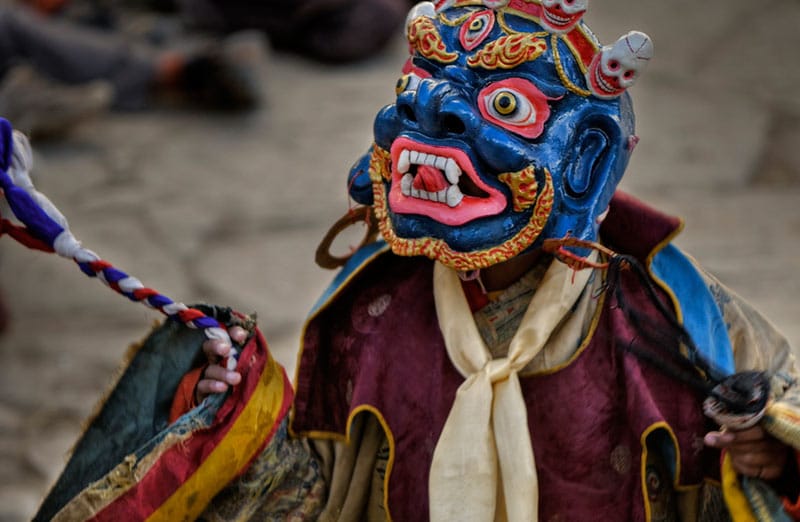
A second large Thangka is unfurled. Today’s dances are more aggressive — weapons and animal masks appear. The highlight: the slaying of the demon. The Tsowo (lead dancer) pierces a straw effigy of Man Tam Ru with a ceremonial dagger (phurba), symbolizing the demon’s defeat. The effigy is then thrown into the air. Overnight in Lo Manthang.

Teahouse B+L+D

Day 13 Tiji Festival – Day 3

May 15, 2026

The final day. After morning prayers, the lead dancer makes ritual offerings of nectar, calling upon all gods. Dances continue with animal-masked monks. The festival ends with a raucous procession through Lo Manthang — masked dancers lead, followed by the Mustang King, royal family, monks, and villagers. Tsampa (roasted barley flour) is thrown into the air from the palace rooftop as a final offering. Exchange of greetings and prayers for peace. The Tiji Festival concludes. Overnight in Lo Manthang.

Teahouse B+L+D

Day 14 Trek to Ghami

Elevation: Ghami (3,510m) 5–6 hour trek | Elevation loss: -330m

Begin the return journey. Retrace the route south, crossing the plateau and passes. Descend back to Ghami — a large village spread across a hillside with a central chorten and prayer flags. Overnight in Ghami.

Teahouse B+L+D

Day 15 Trek to Samar

Elevation: Samar (3,620m) 5–6 hour trek | Elevation gain: +110m

Cross Nyi La Pass (3,940m) again, then descend to Samar. This village sits on a saddle with views back toward Lo Manthang. Simple teahouses and friendly locals. Overnight in Samar.

Teahouse B+L+D

Day 16 Trek to Chhusang

Elevation: Chhusang (2,980m) 5–6 hour trek | Elevation loss: -640m

Descend through Chele and back to the Kali Gandaki valley floor. The landscape becomes greener as you lose elevation. Cross the river to Chhusang, a small settlement below red rock cliffs. Overnight in Chhusang.

Teahouse B+L+D

Day 17 Trek to Muktinath

Elevation: Muktinath (3,800m) 6-7 hour trek | Elevation gain: +820m

Leave Upper Mustang and climb toward Muktinath — a sacred pilgrimage site for both Hindus and Buddhists. The trail climbs steeply out of Chhusang, passing through Jomsom and then up the valley. Visit Muktinath Temple, with its 108 water spouts and eternal flame. Overnight in Muktinath.

Teahouse B+L+D

Day 18 Trek to Jomsom

Elevation: Jomsom (2,740m) 5–6 hour trek | Elevation loss: -1,080m

Descend along the Kali Gandaki riverbed to Jomsom — the administrative center of Mustang. Jomsom has a small airport, shops, and bakeries. Celebrate the end of your trek with a warm meal. Overnight in Jomsom.

Teahouse B+L+D

Day 19 Fly to Kathmandu via Pokhara

Elevation: Jomsom → Pokhara (900 m) → Kathmandu (1400 m) Pokhara (20 min flight) → Kathmandu (25 min flight)

Early morning flight from Jomsom to Pokhara. Connect to a second flight to Kathmandu. Arrive by afternoon. Transfer to your hotel. Free evening to rest or shop for souvenirs. Overnight in Kathmandu.

Hotel Breakfast

Day 20 Free Day in Kathmandu

Elevation: Kathmandu (1,400m)

A buffer day built into the itinerary for flight delays (common in Jomsom). If everything runs on time, use this day to explore more of Kathmandu — Patan Durbar Square, Garden of Dreams, or Thamel shopping. Optional: Everest mountain flight (extra cost). Overnight in Kathmandu.

Hotel Breakfast

Day 21 Departure

30 min to airport

Our representative transfers you to Tribhuvan International Airport 3 hours before your international flight. Depart Nepal with memories of the forbidden kingdom and the unique Tiji Festival.

Breakfast

Upper Mustang Tiji Festival Trek FAQs

The Tiji Festival is a three-day Tibetan Buddhist festival celebrated only in Lo Manthang, Upper Mustang. The name comes from Tempa Chirim, meaning “Prayer for World Peace.” It reenacts the ancient myth of Dorjee Sonnu (an incarnation of Lord Buddha) defeating a demon called Man Tam Ru that caused storms, droughts, and suffering. Monks from Chode Monastery perform masked dances and rituals each May to celebrate the victory of good over evil.

The Tiji Festival dates for 2026 are May 13, 14, and 15. The festival follows the third month of the Tibetan calendar, which always falls in May. These are the only three days of the year when the full masked dances and rituals take place in Lo Manthang.

The trek is moderate in difficulty. You will walk 5–7 hours daily on dry, rocky trails with some steep ascents to passes like Nyi La (3,940m) and Taklam La (3,624m). There are no technical climbing sections. The main challenges are the arid, dusty environment and moderate elevations. Previous hiking experience is helpful but not mandatory.

Yes, altitude sickness is possible above 3,000 meters. Symptoms include headache, nausea, dizziness, and shortness of breath. To prevent it: walk slowly, drink 3–4 liters of water daily, avoid alcohol, and take scheduled rest days (like our day exploring Lo Manthang before the festival). If symptoms worsen, descend immediately. Consult your doctor about Diamox before the trip.

You will stay in teahouses — simple family-run lodges along the trail. Rooms are basic with shared bathrooms. In Lo Manthang, lodges are more rustic than in popular regions like Annapurna or Everest. Do not expect luxury, but you will find warm hospitality, a bed, and meals after each day’s walk.

Teahouses serve Nepali staples like dal bhat (rice and lentils), noodles, momo dumplings, and Tibetan bread. In Upper Mustang, you will also find local buckwheat dishes and thukpa (noodle soup). Dal bhat is recommended for energy — you can ask for seconds (extra rice or curry) which is usually free.

Yes — travel insurance is mandatory. Your policy must cover trekking up to 4,500m and helicopter evacuation. Upper Mustang is remote, and evacuation by helicopter is the only safe option in a medical emergency. Standard policies that only cover hospital treatment are not sufficient. Never skip this.

Essential items include: broken-in trekking boots, down jacket (cold mornings/evenings), thermal base layers, sun hat, warm beanie, trekking poles, headlamp, sleeping bag (rated to -10°C), sunscreen SPF 50+, water bottle with purifier, basic first aid kit, and your passport with photocopies. A full packing list is provided when you book.

Mobile signal (NTC) is available intermittently from Jomsom to Kagbeni but becomes very limited or absent in Lo Manthang and most of Upper Mustang. Some teahouses offer paid WiFi via satellite connections, but it is slow and expensive. You can use this trek as an opportunity to disconnect.

No — Upper Mustang is a restricted region that requires foreign trekkers to be accompanied by a registered guide. You can join a group departure or book a private trek. Solo trekkers pay an additional fee for the restricted area permit. Your trekking agency will arrange everything.

The festival itself is family-friendly — vibrant dances, costumes, and music that children enjoy. For trekking, we recommend children 12 years and older due to the dry climate, dusty trails, and moderate elevations. Older trekkers (up to 65–70) in good health have completed this trek successfully. Consult your doctor before booking.

Booking Enquiry