Accommodation:
The main accommodation types on the Mundhum trek are teahouses that provide basic facilities but are comfortable to stay in. The bathrooms are usually inside the teahouses and there is a common dining area you share with other trekkers. If you want extra facilities like Wi-Fi, laundry, hot bucket water, and charging devices, you might need to pay additional costs. Mobile network coverage (NTC or Ncell) works in larger villages but disappears in remote sections.
Meals:
Full board meals (breakfast, lunch, dinner) are included during the trek. Breakfast and dinner are served at the teahouse where you sleep. Lunch is eaten at a stopover village along the trail.
Dal bhat is the most reliable option; it’s hot, filling, and unlimited. Other common items include noodles, potatoes, eggs, and seasonal vegetables. Food is hygienic but less varies than on the Annapurna or Everest routes.
Drinking Water:
Drinking water is available at teahouses and homestays along the entire trail. Options include:
- Tap water (free but must be treated)
- Boiled water (USD 1-2 per liter)
- Bottled mineral water (USD 1-2 per bottle)
We recommend bringing a reusable water bottle and using water purification tablets or a UV filter. This minimizes plastic waste and saves money. Avoid untreated tap water.
Public vehicles, local flights, and private jeeps are the means of transportation for the Mundhum Trail in eastern Nepal.
Kathmandu – Diktel: 8-10 hour drive by public bus or private jeep. Road conditions are rough in sections.
Diktel – Chakhewa: 3-4 hour local jeep ride. Shorter drive to start the trek.
Bhojpur – Kathmandu: Return by public bus (10-12 hours) or flight from Bhojpur Airport to Kathmandu (30 minutes, weather dependent).
Private jeep: Available for the entire route at an additional cost. Recommended for groups of 3-4 or those short on time.
The Mundhum Trail can be trekked throughout the year in all four seasons: Spring (Mar-May), Autumn (Sep-Nov), Monsoon (Jun-Aug), and Winter (Dec-Feb). The idea seasons are Spring and Autumn when the weather is stable and offers incredible mountain views.
Winter and Monsoon are riskier due to unstable weather, slippery trails, and limited services. Still, trekking is possible with possible with proper preparation.
The good thing about Mundhum Trail is that it doesn’t require a restricted area permit. You will need the following standard permits for our trail itinerary:
Khotang & Bhojpur Local Permits
Foreigners – NPR 2000 per person (approximate)
TIMS (Trekkers’ Information Management System)
Foreigners – NPR 2000 per person
SAARC – NPR 1000 per person
Documents Required
- Scanned copies of passport-sized photos and passports of each participant.
- Travel insurance
- Local permit (issued through registered agency)
Note: Permit costs and requirements may change. We handle all permits for you, so no need to visit offices in Kathmandu.
Difficulty:
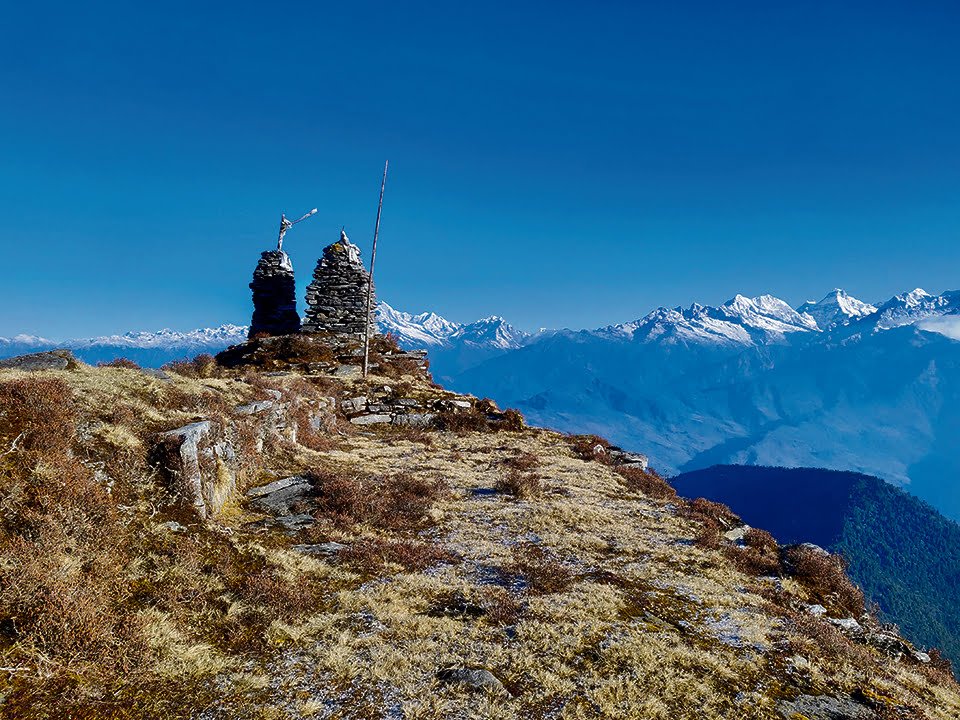
The Mundhum Trail is a moderate trek suitable for trekkers with some previous experience. Unlike Ghorepani Poon Hill, this trail involves longer walking days and higher altitude. The maximum elevation is 4,153m at Silichung Peak. While not technically difficult, the remote location, basic teahouses, and uneven trails can be challenging for first-time trekkers. Previous trekking experience is a plus. Our support is always there throughout your journey from start to finish.
Fitness:
The Mundhum Trail requires good physical fitness. Trekkers should be able to walk 5-7 hours daily on uphill and downhill terrain. Prior high-altitude experience is not mandatory by recommended. Consult with a doctor before undertaking the trek, especially for individuals with pre-existing health conditions. Some physical exercised to carry out before the trek are as follows:
Physical Exercises:
Cardiovascular Exercises (jogging, cycling, swimming), Leg Strength Exercises (squats, lunges), Core Strength Exercises (planks, sit-ups), Upper Body Strengthening, Foot and Ankle Strengthening, Flexibility and Stability Exercises, and Hiking with a loaded backpack.
Mental Exercises:
Meditation, Breathing Exercises, Stress Management, Setting realistic goals, Staying calm and positive, Enjoying the journey over the destination.
The maximum elevation during the Mundhum Trail is 4,153m at Silichung Peak. Altitude sickness is common above 2,500m. As the elevation gains, especially from Day 5 to Day 8, there is a high chance of getting altitude sickness. Thus, proper acclimatization is essential prevent. Our itinerary includes gradual ascent and rest days to help your body adjust.
Common Symptoms of Altitude Sickness
Headache, nausea, dizziness, uneasiness, loss of appetite, trouble sleeping, and in extreme cases, unconsciousness and hallucination.
Preventions for Altitude Sickness
- Walk slowly and maintain a steady pace
- Inform your guide immediately if you feel unwell
- Stay hydrated; drink 3-4 liters of water daily
- Avoid alcohol, cigarettes, and salty foods
- Know your body’s limits and don’t push through symptoms
- Take complete rest when needed
- Take Diamox (Acetazolamide) only after consulting your guide or doctor
- Descend if symptoms worsen, this is the only cure
Travel insurance is essential for trekking the Mundhum Trail. We recommend getting it from a reputable company. Make sure your policy covers:
- Helicopter evacuation up to 4,500m (Silichung Peak is 4,153m)
- Medical treatment and hospital costs
- Trip cancellation and interruption
- Loss, theft, or damage to baggage and personal effects
- Accident and emergency rescue
In case of emergencies, we will arrange helicopter rescue, medical treatment, and aftercare. All these costs shall be borne by your travel insurance company. Carry your policy details with you on the trail.
The Mundhum Trail is a moderate-level trek. It requires basic trekking equipment and gear that trekkers can hire in Kathmandu or bring on their own.
Clothes: Windcheater jacket, Thermals, Insulating Down Jacket, Fleece, Long sleeve shirts, Gloves, Towels, Inner garments, Trekking pants, Trousers, Socks (heavy and light), Raincoat, Balaclava, Bandana, Gaiters
Shoes: Pair of waterproof hiking boots (broken in), Camp shoes (sandals/sneakers), Rubber sandals for teahouses
Essential Documents: Passport, Travel Insurance policy, TIMS card, Local permits, Visa photocopy, Passport size photos (4 copies)
Food: Light snacks, Energy bars, Nuts, Chocolate, Electrolyte drink mix
Accessories: Sunglasses, Hats/Caps (warm and sun), Sunscreen (SPF 50+), Lip Balm, Reusable water bottles (2 lite capacity), Pocket Knife, Power bank (charging is limited), Headlamp with extra batteries, Water purification tablets or UV filter, Reusable waste bags
Equipment: Warm sleeping bag (rated -10oC or lower), Trekking poles (highly recommended), Duffel bag (provided by us), Daypack (30-40 liter)