Manaslu Circuit Trek Safety Guide 2026: Essential Tips for a Safe & Successful Journey
14 Dec 2025 20 min to read

Looking forward to trekking the Manaslu Circuit? Get key safety pointers, altitude guidelines, permit details, gears and advice on how to get ready for a smooth trek in 2026.
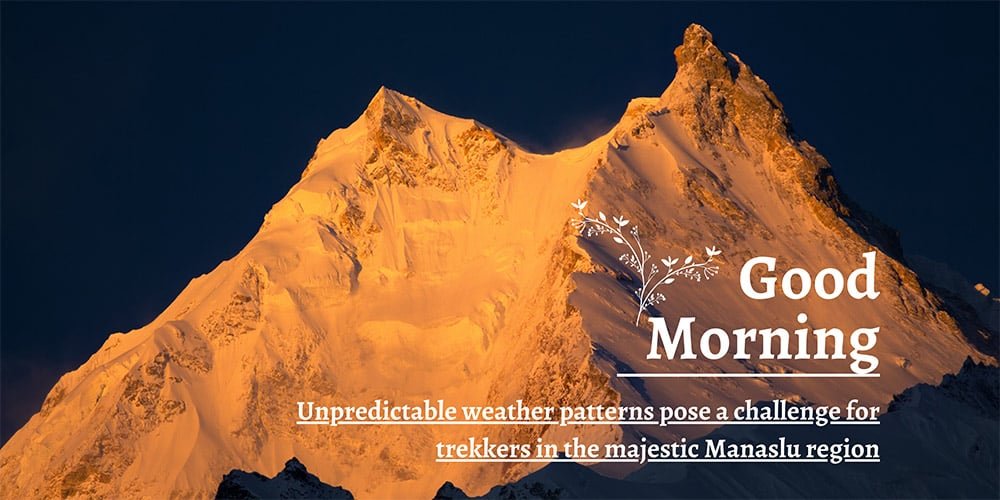
The Manaslu Circuit, ranked among Nepal’s wildest trails, provides the most stunning and least-touched trekking experience. With the maximum elevation of 5106m (Larkya Pass), this is one of the most spectacular routes of Nepal with beautiful views of mountains, remote villages and rare wildlife. Circling the eighth-highest peak, Mount Manaslu (8,163m), this trek introduces you to the unique cultures and traditions of the area. This trek attracts trekkers looking for adventure in a serene landscape with high-altitude trails combined with rich culture.
As exciting as it is to Manaslu Circuit, staying safe during the journey matters the most. This guide is here to give you real advice from seasoned trekkers, along with useful tools and trusted resources to help you plan a safe trek ahead. We’ve collected all the important details – from what to prepare, permits, acclimatization to some rules to be followed during the trek. With smart planning, you’ll enjoy the breathtaking sights and challenging trails of Manaslu trek without stressing.
Why Safety Matters during the Manaslu Circuit Trek?
Staying safe on the Manaslu Circuit Trek is essential, especially when it covers high-altitude trail with remote terrain. This trail takes you to the height of over 5,000 meters. This already causes some concerns like AMS to some. Additionally, the weather across the trail is not uniform – it can shift without any warning. Its unpredictability can raise other problems. The terrain itself adds another layer of seriousness to the Manaslu trek. Most of the trek is spent in remote villages, with limited medical facilities. The long trekking days with little rescue access makes the trip challenging.
These common factors make prioritizing safety a crucial step while planning Manaslu Circuit Trek. Here, the right precautions and other necessary things to look out for in this trek, like permits, are given so that you plan your trek to Manaslu smartly.
Essential Safety Tips for the Manaslu Circuit Trek
We’ve gone through the reasons why safety is important to plan for a successful Manaslu trek. There are certain steps we can follow in order to prevent those potential risks to negatively affect our journey to the Manaslu.
1. AMS Prevention with Acclimatization
Because of the high altitude of the Manaslu trekking route, altitude sickness is the most common yet deadly problem faced by the trekkers. As the air gets thinner the more you climb, your body needs time to adjust to the changing surroundings. Therefore, trekkers should always follow the “Climb high, sleep low” strategy. If you ignore the signs of early AMS, it can even be fatal. Recognizing the symptoms is the first priority while trekking to Manaslu.
Common Symptoms of Altitude Sickness
- Headache that doesn’t subside can be a primary indicator of AMS.
- Another common symptom people experience is Nausea.
- Dizziness and uneasiness while doing simple tasks
- You may feel loss of appetite and sleep.
- On extreme condition, some can even experience unconsciousness and hallucination.
You should immediately inform your guide on noticing any of these symptoms.
For high-altitude health support and advice related to AMS or extended trekking safety, check out Himalayan Rescue Association (HRA).
Prevention for Altitude Sickness
Following these essential tips helps prevent AMS to a great extent:
- Take an acclimatization rest between trekking days to let your body adjust to the high altitude.
- Climb slowly and gradually without rushing to help yourself adapt to the area.
- Keep yourself hydrated to avoid dehydration, which worsens the symptoms.
- Avoid alcohol and salty foods as they contribute to dehydration and fluid retention (bad for AMS).
- Know your body limit. Listen to your body and rest if you need it.
- Taking complete rest and sleeping is very important to help in acclimatizing.
- Inform the guide if you feel any discomfort or encounter any of the symptoms mentioned above. Take appropriate medicine after consulting with your guide.
If the symptoms persist or worsen, consult with your guide and descend to a lower altitude and seek medical help if needed.
2. Weather Preparation
Manaslu region has rapid weather shifts and unpredictable storms at high altitude. Understanding the weather and keeping up with updated forecast from licensed trekking guides while planning your trek is necessary to avoid getting caught off guard by these risks. Here is the assessment of seasonal analysis of the weather so that you can plan for an enjoyable journey to Manaslu:
- Spring (March to May): This season is good for Manaslu trek because of clear skies, beautiful rhododendrons, clear views and mild temperature.
- Autumn (September to November): With stable weather, stunning views of mountains, and comfortable trekking conditions, this season is easily the most favored one for trek to Manaslu.
- Winter (December to February): This season is not suitable, especially for new trekkers because of extremely cold temperature and heavy snowfall. In this season, there is a high chance of Larkya Pass being closed.
- Monsoon (June to August): This time is not recommended for most trekkers as the trails can be muddy and filled with leech with frequent, hence, limited visibility.
Because of constant weather changes, problems like cold temperature, snow, storms or natural disasters like landslides are possible during the trek. To avoid ruining your trekking experience due to these reasons, make sure to choose the best time and prepare your gears accordingly. Follow your guide’s words as they are well-experienced with these areas, and don’t forget to check the weather daily.
3. Packing essentials for Manaslu Circuit Trek
Packing the right gear is so important to have a safe, warm and comfortable trek in Manaslu region. From basic clothing to first-aid, everything must be packed according to need. Here’s a list to help you include all the essential items:
a. Clothing
Because of the high altitude, you’ll need to pack these:
Clothes: Windcheater Jacket, Thermals, Insulating Down Jacket, Fleece, Long sleeve shirts, Gloves, Towels, Inner garments, Trekking pants, Trousers, Shorts, Socks, Balaclava, bandana, Gaiters. For rainy weather, make sure to pack waterproof jackets and pants or raincoats. Sun hats and sunglasses are good addition.
Shoes: Camp shoes, a pair of hiking boots and rubber sandals are good footwear for this trek.
b. Gears and Equipment
Equipment: Warm Sleeping bags, Map, Trekking poles, Duffel bag, extra batteries,
Gear: Ropes, Crampons, Ice Ax, Ice-claw, Harness, Micro spikes (optional)
c. First-aid
A well-prepared first-aid kit is essential for planning Manaslu Circuit Trek as medical facilities are limited in higher areas. Here is a checklist to help you pack:
- Altitude sickness medication (such as Diamox)
- Pain relievers, blister care supplies
- Bandages, antiseptic wipes
- Rehydration salts
- Personal prescriptions
- Small thermometer, antibiotic ointment & antihistamines
Knowing basic first-aid and recognizing early signs of altitude sickness helps you make better decisions at high altitude. Carrying a compact first-aid kit can prevent minor discomforts from growing into bigger issues.
4. Nutrition, hydration and pacing
Staying strong is very important during the Manaslu Circuit Trek. Fuel your journey by eating well – mix carbs, protein, and hot soup to power through long hikes. Stay sharp by sipping water or herbal tea often to prevent dehydration, which is common at high altitudes. Move slow, at a comfortable pace, letting your body adapt without stress. Skip the rush, focus on rhythm – it helps stamina, plus cuts chances of altitude issues. Good food, steady drinks, calm walking – these keep strength up while making each moment outdoors way more fun.
Difficulty Level: What Trekking Manaslu Really Feels Like
The Manaslu Circuit Trek is considered strenuous with the maximum elevation of 5,106 m. You’ll face full-day hikes, sharp uphill climbs, uneven stone trails, along with a grueling push up to Larkya Pass (5,160 m), where oxygen is low, and its freezing weather really puts your stamina to work. Height increases gradually, which means taking time to adjust matters; being in shape helps, and having an experienced guide makes things safer. Because of difficult terrain with limited facilities, trekkers are expected to have prior experience in trekking at high altitudes. Having above-average physical fitness and a positive attitude makes trekking easier.
For maintaining the best physical and mental exercises, following activities are recommended:
Cardiovascular, leg strength, core strength, upper body strengthening, foot and ankle strengthening, flexibility, and stability exercise, and hiking specific training for physical fitness.
Meditation, breathing exercises, stress management, solo reflection, focus and concentration improvement, setting a goal, practicing problem-solving skills, staying calm and positive, enjoying every activity, etc. for mental fitness.
Health, Safety & Emergency Preparedness for Safe Trek to Manaslu
Medical support on the Manaslu Circuit is limited and basic, so trekkers should be prepared before starting the trek. In local areas such as Soti Khola, Machha Khola, Jagat and Deng, there are tiny clinics offering basics like simple medications, treatment for dehydration and common illness or other first aid for minor injuries.
When you climb further up past Namrung, through Lho, into Sama Gaon and Samdo, medical spots get rarer and simpler – sometimes staffed by a single health worker with limited supplies. Serious altitude sickness or other major injuries can’t be dealt with out here. In places further than Samdo, you won’t find any health posts. Your guides carry the essential medical kits and personal medicines should be carried by you.
In case of emergencies, you’re usually flown out by helicopter – though flights depend on decent weather. Your licensed guide checks how serious things are, sets up rescue contact, then reaches out to your insurance provider. That’s exactly why trekking insurance for high elevations is not optional – it covers what would be extremely costly and difficult to arrange.
Since proper medical help is a long way from the path, trekkers need to focus on avoiding issues, adjusting quickly to altitude, or acting fast when signs show up. Knowing this lets you get ready wisely while moving through the terrain more safely with confidence.
Required Permits and Costs for Manaslu Trek
To explore the Manaslu trail, you’ve got to get special passes – regulated by the Government of Nepal in order to support safe travel in protected zones. Here are the compulsory permits and essential documents required:
Manaslu Conservation Area Permit (RAP)
- USD 100/week per person + USD 15/person per day (beyond a week) [Sep – Nov]
- USD 75/week per person + USD 10/person per day (beyond a week) [DEC – Aug]
Manaslu Conservation Area Permit (MCAP)
- Foreigners – USD 30/person
- SAARC – NPR 1000/person
Chumnubri Rural Municipality Permit
- Foreigners – NPR 1000/person
Annapurna Conservation Area Permit (ACAP)
- Foreigners- USD 30/person
- SAARC- NPR 1000/person
Trekkers Information Management System (TIMS)
- Foreigners- NPR 2000/person
- SAARC- NPR 1000/person
- Diplomats/Foreign Officials & their families- NPR 500/person
Documents required
- Scanned copies of passport-sized photos and passports of each participant
- Travel Insurance
- MCAP Permit and Restricted Area Permit
- Chumnubri Rural Municipality Permit
- TIMS and ACAP
Planning these necessary permits and documents in advance means smooth start to your trek while also supporting local conservation and ensuring safety measures along the route. You can easily arrange these with the help of licensed agency like Outdoor Himalayan Trek.
Manaslu Circuit Trek Itinerary (Day-by-Day Overview)
Here is an overview of the day-by-day itinerary of the usual Manaslu Circuit Trek to help you understand the trekking route.
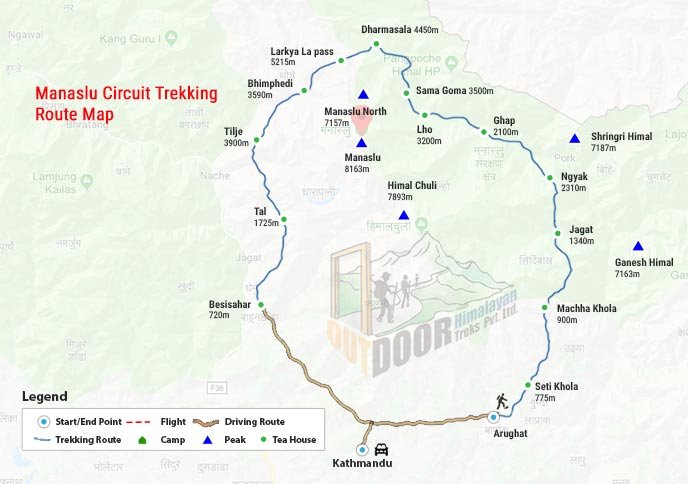
Day 01: Arrive in Kathmandu (1400 m) and transfer to the hotel.
Day 02: Trek preparation day with optional Kathmandu city tour (Documentation works, Issue of Permits, Paper works)
Day 03: Drive from Kathmandu to Machha Khola (930 m) on public bus
Day 04: Trek from Machha Khola to Jagat (1340m) through narrow valleys and warm villages for 6 hours and stay at a teahouse.
Day 05: Trek to Deng (1860 m), entering the Buddhist-influenced region for 7 hrs and stay at a Tea House.
Day 06: Trek to Namrung (2630 m) with rising views of snow peaks for 5-6 hrs and Teahouse
Day 07: Trek to Lho (3200 m), home to monasteries and majestic Manaslu panoramas for 6 hrs, stay at Teahouse
Day 08: Trek to Sama Gaon (3550 m) for 6 hrs, overnight stay in a Teahouse.
Day 09: Acclimatization and Exploration Day (Day Trip to Pungen Gumba(4200m)).
Day 10: A short trek to Samdo (3865 m) near the Tibetan border for 3-4 Hours and stay overnight in a Tea House
Day 11: Trek to Dharmashala (4460 m) for 3-4 hrs, stay at Teahouse.
Day 12: Adventurous trek to Bimthang (3590 m) via Larkya La Pass (5106 m) for 8 hrs.
Day 13: Trek through forested trails and farmlands to Tilije (2515 m) for 6 hrs and stay at a Teahouse.
Day 14: Drive to Besisahar and then to Kathmandu which takes about 8-9 hrs, stay at a Hotel.
Day 15: Transfer to the airport for International Departure.
Accommodation & Food on the Trail
Teahouses or Lodges are the common accommodation types during the Manaslu Circuit Trek. They offer simple but comfortable rooms with twin beds, warm blankets, and a cozy dining hall where trekkers gather each evening. When heading into upper spots like Lho or Sama Gaon and later Samdo, places get rougher, so carrying a solid sleeping bag is essential.
Breakfast and dinner are served from the teahouses and lunch is served at teahouses and lunch is served at the stopovers during the trek. Meals follow classic Nepali trekking staples such as dal bhat, noodle soups, momo, fried rice and hearty potato dishes. Hot drinks like ginger tea, milk tea and lemon tea help keep your energy steady and hydration in check. Though choices aren’t as wide as on busy routes such as Annapurna, meals are wholesome, made daily and built to fuel tough hikes through high terrain. Since Manaslu is a Buddhist region, meats are prohibited in most of the regions.
Drinking water during the Manaslu Circuit Trek is easily available. Trekkers can buy Mineral Water, which costs about USD 2-4 per bottle, fill tap water, or boiled water at teahouses as their preference. To minimize plastic pollution, remember to carry a water bottle. Or you can use water purification solution.
Hiring a Guide and Porter: Why It’s Required and How They Help
It is not only mandatory to hire a licensed guide and porter for the Manaslu Circuit Trek, but it is necessary for boosting the safety, comfort and overall enjoyment during the trek. Guides from reputable agencies, like Outdoor Himalayan Trek, know what to look out for – altitude warnings, sudden weather shifts, and hidden trails. This way you have an enjoyable and stress-free trekking experience.
Meanwhile, porters haul your heavy stuff, allowing you to focus on trekking safely. They also assist in arranging accommodations, managing permits, and coordinating logistics, which is important when trekking in remote areas with limited facilities.
Guides are also experienced in dealing with AMS and emergency response, helping you navigate risky sections like Larkya La Pass safely. This reason alone makes trekking with guides indispensable. By travelling with trained professionals, you reduce risk, optimize pacing and gain access to insider tips to make your Manaslu tour safer, smoother, and more memorable.
Responsible Trekking & Respect for the Environment & Local Communities
Manaslu Circuit is a perfect destination to enjoy an adventurous journey full of natural beauty and rich culture with friendly people. While trekking there, caring for the environment while respecting the local communities is a responsibility we all share. Following are some tips to help you do just that:
Minimize Waste: Following Leave No Trace principles and disposing of waste properly, while avoiding single-use items and plastics, helps preserve the Himalayan ecosystem.
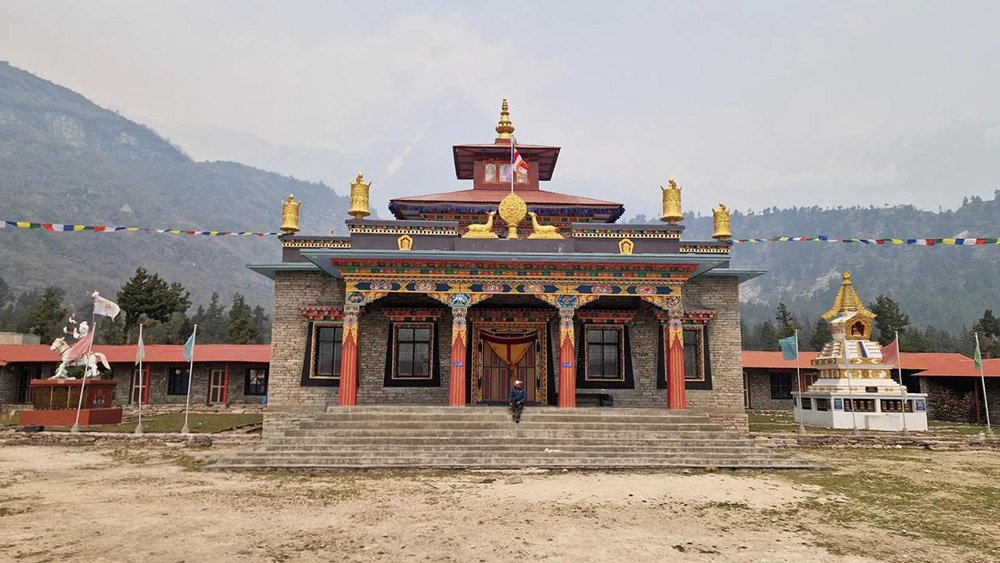
Respect local culture: Become aware of cultural sensitivity, i.e. dress modestly in villages and monasteries, ask permission before photographing locals and treat the traditional customs with respect.
Support local businesses: You can help support the local economy by hiring local guides/porters, staying in locally-run teahouses and buying from local markets whenever possible.
Protect natural habitats and wildlife: Stay on marked trails to prevent soil erosion and wash away or hurt alpine flora and fauna. Also, observe the wildlife from a distance – do not try to interact with them. This helps preserve the ecosystem of the Manaslu region.
Promote sustainable travel: Educate yourself about the area, sticking to the trail rules, while also encouraging others to trek responsibly.
Practicing these steps helps ensure the Manaslu Circuit remain pristine, culturally vibrant and safe for future trekkers while enjoying a meaningful and eco-friendly adventure.
Tips for First-Time Trekkers in Nepal
First-time trekkers might find the Manaslu Circuit both thrilling and challenging. The first advice is to pick a trek that matches your fitness level and plan adequate acclimatization days to let your body adapt, reducing the risk of AMS. Next is to hire a certified guide and porter, preferably from a good agency like Outdoor Himalayan Trek, when moving through isolated zones, managing permits. They also share useful tips from locals. Pack all the necessary equipment and gears with first-aid items required for the trek, like layered clothing, sturdy trekking boots and proper hydration.
You can learn basic cultural etiquette, and respect local traditions, and support local businesses to enhance your experience. Lastly, you need to prepare yourself physically, mentally and logistically to enjoy a stress-free trek. First-time trekkers who plan well can have a safe trek with a memorable and rewarding Himalayan adventure while exploring Nepal’s natural beauty and rich culture.
FAQs about Safety while Manaslu Circuit Trek
1. Do I need a permit to trek the Manaslu Circuit?
Yes, you need some mandatory permits like the Manaslu Conservation Area Permit (MCAP), the Manaslu Restricted Area Permit (RAP), the Chumnubri Rural Municipality Permit, the Annapurna Conservation Area Permit (ACAP), and the Trekkers Information Management System (TIMS).
2. Is a guide or porter mandatory for the Manaslu Circuit Trek?
Yes. The Manaslu region is a Restricted Area, and trekking independently is not permitted. A government-licensed guide ensures safety, handles permits, manages the routes, supports you in case of altitude sickness and provides essential cultural context throughout the journey. Whereas a porter makes your journey enjoyable as they help you carry your heavy items safely.
3. What is the best time to trek the Manaslu Circuit?
The best seasons to trek the Manaslu Circuit are autumn (Sept-Nov) and spring (Mar-May). These months offer clear skies, stable weather, and excellent visibility of the Himalayan peaks. Winter and monsoon are riskier due to snow and landslides.
4. How long does the Manaslu Circuit Trek take?
The Manaslu Circuit Trek usually takes 14-16 days, depending on acclimatization days and specific itinerary variations, including travel days.
5. What is the difficulty level of the Manaslu Trek?
The Manaslu Circuit Trek is considered challenging or strenuous due to long walking days in remote areas with limited facilities, steep ascents, and high altitude. Most trekkers with good fitness and basic hiking experience can complete it safely with the right planning and guidance from licensed professionals.
6. What is the highest point of the Manaslu trek?
The highest point is Larkya La Pass at an elevation of 5,160 meters. This section requires a good acclimatization and an early start, but rewards trekkers with panoramic views of Himlung, Cheo Himal, Kang Guru, and Annapurna II.
7. Can beginners do the Manaslu Circuit Trek?
Yes, beginners with strong determination, basic hiking experience, and good fitness can complete the Manaslu Circuit Trek. Joining with experienced guides and following proper acclimatization routines is essential for first-time high-altitude trekkers.
8. At what altitude should I start worrying about altitude sickness?
Altitude sickness can occur above 3,000 m, especially near Lho, Sama Gaon, and Larkya Pass. Proper acclimatization, hydration, and slow pacing help reduce risks. Guides help in monitoring symptoms and advising safe decisions.
9. What are the accommodation options along the Manaslu Circuit?
Teahouses provide basic but comfortable rooms with shared bathrooms, warm blankets and hot meals. Expect simple lodges that offer dal bhat, noodles, soups, tea and seasonal vegetables.
10. What food can I expect on the trail?
Common food on the trail are local Nepali dishes like dal bhat, vegetable soups, noodles, fried rice, potatoes and tea. Meals are simple but freshly prepared. Higher elevations have more limited menus due to remoteness.
11. How do I prepare for high-altitude trekking in Manaslu?
Preparing for high-altitude treks involve building cardio endurance, strengthening legs and core, and practicing long hiking days with a backpack. Learning about altitude sickness, planning well and maintaining good mental health is equally important to prepare for high-altitude trekking in Manaslu.
12. What are the main safety risks on the Manaslu Trek?
The main safety risks on the Manaslu Trek include high altitude sickness, rapid weather changes, landslides or rock fall in narrow sections, remote trails with limited rescue access and basic medical facilities along the route. Proper acclimatization, a licensed guide, and good preparation help minimize these risks.
13. Do I need travel insurance for the Manaslu Circuit Trek?
Yes. Trekkers should have insurance that covers high-altitude trekking (up to 5,500 m) and emergency helicopter evacuation. Many authorities and agencies require proof of such coverage before issuing permits.
14. What should I pack for the Manaslu Trek?
Pack essentials like warm layers, a down jacket, thermal wear, trekking poles, sturdy boots, gloves, a sleeping bag, sun protection, a first-aid kit, and personal toiletries. Lightweight packing with weather-appropriate gear is recommended.
15. Are there medical facilities along the Manaslu Circuit Trek?
Basic health posts and small clinics are available in key villages like Jagat, Deng, Namrung, Lho, and Sama Gaon, but services are extremely limited. They can handle minor illnesses, altitude symptoms and basic first aid, but serious conditions require evacuation. Always carry a personal first-aid kit and travel with a well-trained guide.
16. How reliable is mobile signal / internet on the Manaslu Trek?
Mobile signals are intermittent along the Manaslu route. Lower villages may have some coverage but higher regions like Samdo and Dharmshala often have no signal at all. Several teahouses offer paid Wi-Fi, though speeds are low.
17. What to do in case of an emergency?
In case of emergency, inform your guide immediately. They will evaluate your condition, provide first aid, manage communication with local authorities, and coordinate helicopter evacuation if needed. If symptoms of altitude sickness worsen, descending to a lower elevation is the fastest and safest response. Trekking insurance that covers evacuations is essential for emergency situations.
Final Takeaways for Safe Manaslu Circuit Trek
The Manaslu Circuit Trek takes you through a wild Himalayan journey that rewards careful planning and responsible trekking. Prioritize essential things like acclimatization, weather awareness, proper hydration, hiring licensed guides, and sorting out required permits while planning a safe & successful journey. Good prep means fewer risks plus stronger connections with nature and villages along the way.
While this guide focuses on the Manaslu Circuit, the wider Manaslu region offers several other rewarding experiences for those seeking quieter trails and deeper cultural immersion. Routes like Tsum Valley Trek and Ponker Lake Trek provide further insight into the region’s remote villages and Himalayan landscapes.
Beyond Manaslu, Nepal is home to diverse trekking regions ranging from the classic Annapurna routes to the iconic trails of the Everest region, each offering distinct terrain, culture, and challenges. Exploring these options allows trekkers to choose journeys that best match their experience level, interests, and sense of adventure.
If you have questions about your trek or need personalized advice for planning, feel free to contact our team for expert guidance.