Fake Helicopter Rescue Controversy: Police Debug “Alarming” Food Poisoning Rumors
6 Apr 2026 4 min to read
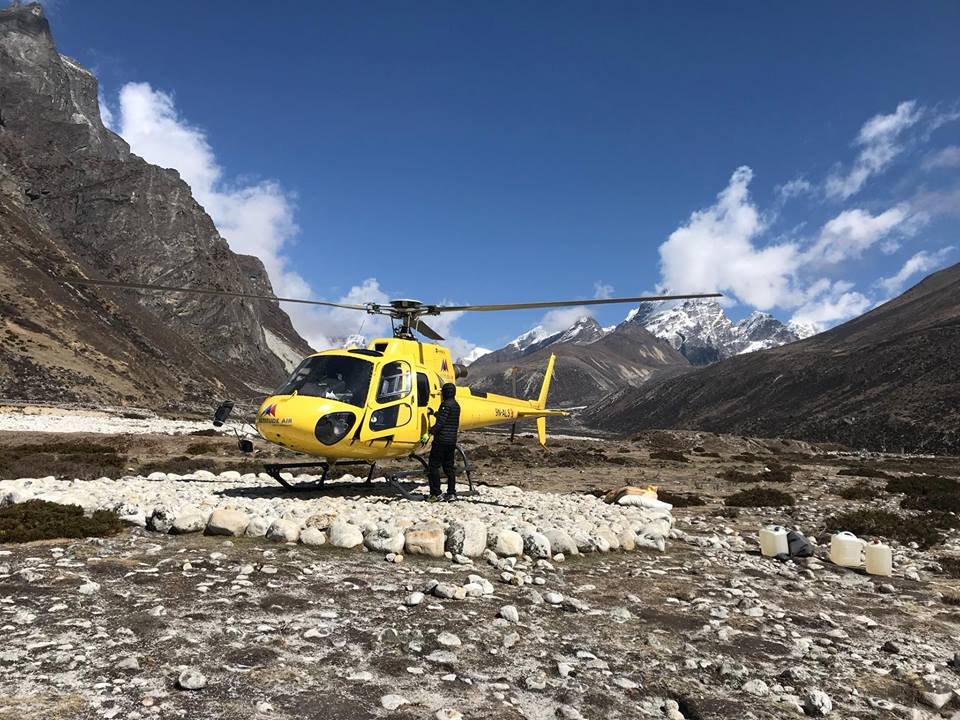
Kathmandu – Nepal Police have dismissed the widely circulated stories about guides on Everest region were intentionally poisoning tourists to stage fraudulent helicopter rescues. With no evidence so far, officials urge the media outlets and the public to pause before spreading unverified information, reassuring travelers that Nepal remains safe for travelling when proper precautions are followed.
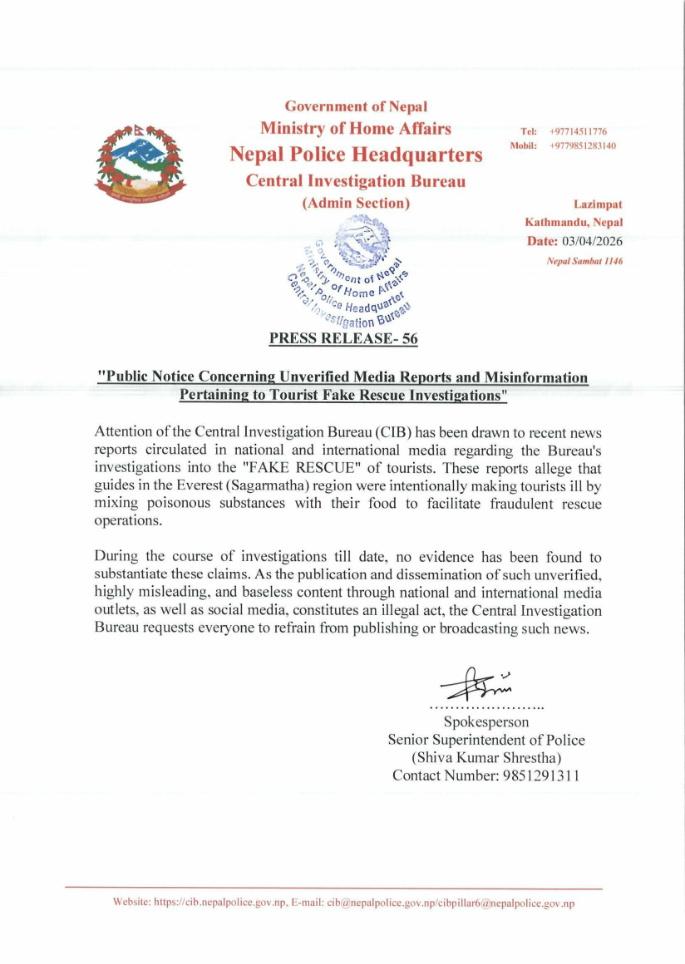
In a recent statement, the Central Investigation Bureau (CIB) clarified that while investigations into fake rescue operations are ongoing, reports linking these incidents to deliberate food contamination are “misleading and without basis”. The bureau stressed that spreading unchecked details, especially through media and social platforms, could violate legal provisions.
The issue of fake helicopter rescues is not new. Concerns first gained attention in 2018, when the Ministry of Culture, Tourism and Civil Aviation formed a committee to examine suspected fraud in rescue operations. Although the committee recommended further investigation under organized crime, progress remained stalled for several years.
Later on, the CIB initiated a formal investigation, which ended up producing a thorough document handed straight to the government attorney’s office. The report identified fraudulent rescue practices that allegedly targeted insurance firms, damaging how Nepal is seen abroad. Police recommended legal steps against over thirty people, while some charges have been already filed in the Kathmandu District Court.
Word from authorities confirmed that a few arrests have taken place, among them tied to travel aid and rescue groups. Investigations suggest that some of these workers might have stretched the truth, or fabricated medical emergencies to justify expensive helicopter evacuations. Apart from the rumors, there’s no proof backing the idea that harmful substances were used to deliberately make tourists ill.
Trouble stirs among climbers after recent claims surfaced. The Nepal Mountaineering Association stepped forward, calling the rumors “unthinkable”. In a public statement, they said false stories might chip away at years of hard-earned trust Nepal has as a trusted mountaineering destination.
The association stressed that the tourism sectors supports thousands of livelihoods and that misleading narratives, especially during the peak spring climbing season, could lead to serious negative consequences. At the same time, it encouraged trekkers and climbers to report any suspicious or unethical practices to the relevant authorities.
It’s been recognized by the industry experts that some fraudulent rescue practices have taken place, though they have cautioned against generalizing the issue across the entire sector. Many running tours stick to fair practices, say tourism professionals, while recent actions by authorities indicate efforts to address misconduct.
Experts also highlight the fact that mountain areas in Nepal rely heavily on helicopters for emergency response. These flights open paths where roads cannot reach. The worry lies, according to them, in the misuse and not the service itself.
Travelers planning a trip in Nepal are also advised to watch out when picking a tour company. Always choose a reputable operator, go with the ones that have solid reviews, ask clear questions about safety procedures, and avoid selecting services based solely on cheap prices, since unconvincingly low prices means corner are being cut. Make sure to press them on how they handle emergencies before signing up; clarity matters more than flashy promises.
Now, stakeholders are calling for stronger regulations, clearer insurance steps, along with closer watch on rescue operations. Confidence might return only if there is coordinated action between government bodies and industry players; this could help prevent future abuses.
Even with the controversy, officials and industry leaders maintain that Nepal remains a safe and reliable destination for climbing and trekking. Ongoing reforms aim to strengthen accountability throughout the entire area of operations. Every year, thousands of travelers successfully explore regions like Everest, Annapurna, and Langtang with experienced guides and well-established operators.
Ultimately, isolated incidents should not define Nepal’s tourism industry. The country remains a welcoming, reliable, and extraordinary destination for adventures from around the world.