Everest Trek Safety Guide: What Our Guides Learned from Their Everest Region Treks (2026 Update)
7 Jan 2026 20 min to read
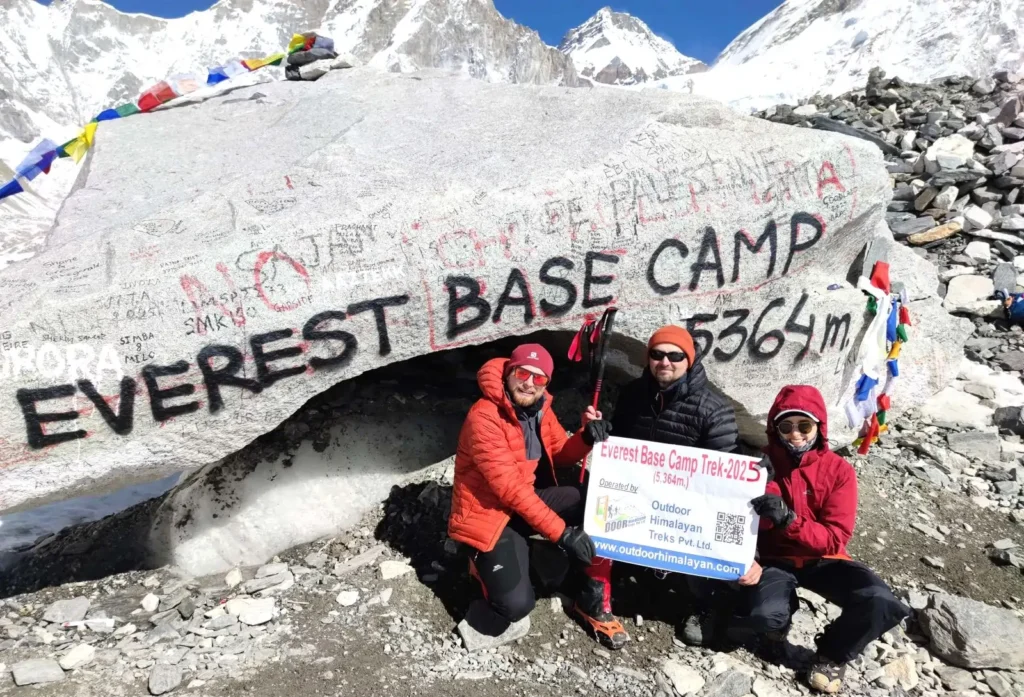
Planning for a safe trek to Everest Region? This is a perfect guide with safety pointers, altitude guidelines, permit information, gears and advice on how to prepare for a smooth trek in 2026.
Introduction: Everest Region Trekking Safety Overview
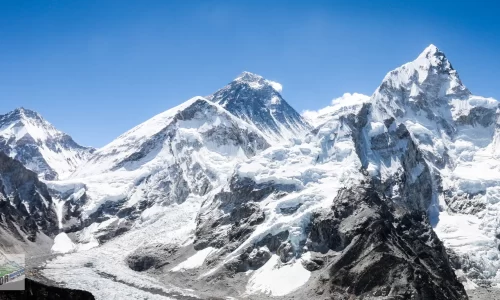
The Everest (Khumbu) region of Nepal, home to Mount Everest (8,848 m), takes you through grand Himalayan landscapes, Sherpa villages, monasteries, and the protected wilderness of Sagarmatha National Park, a UNESCO World Heritage Site. Different trekking routes like Everest Base Camp Trek and Gokyo Lake Trek attract trekkers from around the world to this region.
Although trekking in this region is a wonderful experience, it requires careful planning and strong safety awareness. This is because of several reasons like its high altitudes, unpredictable weather, and remote terrain.
With smart planning, you’ll be able to enjoy the breathtaking sights while handling the potential challenges without much stress. We have listed the important tips from our guides who have led many trekkers to have a safe and successful journey across the Everest region.
Why Safety Matters While Trekking in the Everest Region
The Everest region covers high-altitude and remote trail, with frequently changing weather. Popular treks, including Everest Base Camp takes you above 5,000 m, raising the risk of AMS and other altitude-related illness. Weather changes rapidly, bringing strong winds, snowfall, or reduced visibility that may affect trail conditions and flight schedules. In addition, long trekking days in its remote terrain with limited medical facilities becomes another concern.
These factors make safety preparation a priority while planning for a trek in Everest region. This guide is designed to help you understand potential risks and prepare accordingly. We’ve collected all the essentials – from what to prepare, permits, acclimatization, to some basic rules to be followed during the trek so that you can plan your dream trek in the Everest region.
Altitude Sickness in the Everest Region: Risks and Prevention
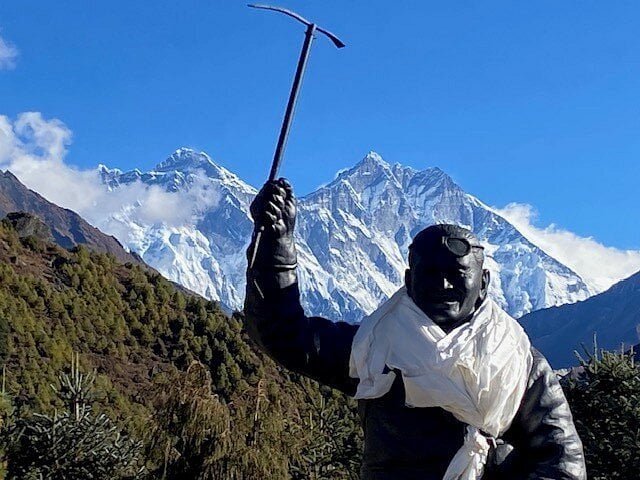
Altitude sickness (AMS) is one of the most common yet dangerous health risks while trekking in the Everest region, where many routes rise above 4,000 to 5,000 m. Low levels of oxygen makes it hard for the body to adapt in the higher altitude, especially when the ascent is too fast. Hence following the “Climb high, sleep low” strategy is absolutely necessary to ensure adequate rest and recovery while still challenging your body’s altitude tolerance. Recognizing the symptoms of AMS is the first priority.
Most Common Symptoms of Altitude Sickness
- One of the primary indicator of AMS is a headache that doesn’t seem to subside.
- Many people experience nausea during AMS.
- Dizziness and uneasiness while performing simple tasks is another common symptoms.
- You may feel insomnia and loss of appetite.
- More severe conditions including HAPE (High Altitude Pulmonary Edema) and HACE (High Altitude Cerebral Edema) are rare but potentially life threatening and require immediate attention.
Visit Himalayan Rescue Association (HRA)for high-altitude health support and advice related to AMS or extended trekking safety.
Prevention for Altitude Sickness
Here are some essential tips to help prevent AMS to a great extent:
- Taking acclimatization rest between trek days is very important top let your body adjust.
- Avoid rushing when climbing. Slow and gradual ascent helps prevent AMS.
- Dehydration worsens the symptoms. Keep yourself hydrated to avoid this.
- Avoid taking alcohol and salty foods as they contribute to dehydration and fluid retention which is bad for AMS.
- Do not ignore your body’s signs telling you to rest. Always know your body’s limit.
- Take proper rest and good sleep to help in acclimatizing.
- Always inform your guide immediately if you encounter any of the symptoms above or feel any discomfort while trekking. Take appropriate medicine after consulting with your guide.
If the symptoms persist or worsen, consult with your guide and descend to a lower altitude and seek medical help if required.
Acclimatization Guidelines for Everest Treks
Acclimatizing is already mentioned in the preventions but as it is so important for safe trekking, we have dedicated a separate section for this. A well-planned Everest trek includes scheduled acclimatization days that allow the body to adjust gradually to reduced oxygen levels. The most common acclimatization stops are made at places such as Namche Bazaar and Dingboche, where trekkers spend extra nights doing short acclimatization hikes to higher elevations before descending to sleep lower. This is the “Climb High, Sleep Low” approach to help improve oxygen efficiency. This step reduces altitude-related stress on the body. Hence, to acclimatize successfully, follow a gradual ascent schedule, maintain a steady pace, and have proper rest days to prioritize safety and comfort.
Weather Conditions in the Everest Region and How to Prepare
Weather in the Everest region changes quickly making it important for trekkers to understand for a safe trekking experience. Due to the high altitude and mountainous terrain, conditions can shift from clear skies to strong winds, snowfall, or freezing temperatures within hours. Even during the peak trekking seasons, temperatures can drop well below freezing at night, particularly in places like Dingboche, lobuche, and Gorak Shep.
The assessment of seasonal analysis of the weather of the Everest region is given below to help you plan a safe trek:
- Spring (March to May): Because of stable weather, mild temperatures, and mountain views, this is one of the best seasons for Everest trekking.
- Autumn (September to November): This reason has cool, dry conditions with excellent visibility making it the most popular and reliable trekking season.
- Winter (December to February): This season is only suitable for experienced trekkers and for lower routes because of very cold temperatures and possible snowfall.
- Monsoon (June to August): This season brings heavy rain, cloud cover, hence flight delays; not recommended for Everest treks.
Planning your Everest trek in the right season helps you avoid the extreme weather problems to a great extent. Follow your guide’s words as they are experienced with these areas, and remember to check the weather forecast daily.
Packing Essentials for Safe Everest Trekking
It is very important to pack the right gear to have a safe, warm and comfortable trek in the Everest region. Here’s everything you need to know about the gears to take to your trek:
1. Clothing
You should prioritize layered clothing while trekking to the Everest region. Make sure to pack these:
Clothes: Windcheater, Jacket, Thermals, Insulating Down Jacket, Fleece, Long sleeve shirts, Gloves, Towels, Inner garments, Trousers, Shorts, Socks, Balaclava, Bandana, Gaiters. For moist weather, carry waterproof jackets and pants or raincoats.
Footwear: Well-broken-in trekking boots with good ankle support, camp shoes, and rubber sandals are good footwear for this trek.
Accessories: Things like sunglasses with UV protection, sunscreen and sun hats are good addition for this trek.
2. Gears and Equipment
Equipment: Warm sleeping bags, map, trekking poles, duffel bags, extra batteries.
Gear: Ropes, Crampons, Ice Ax, Ice-claw, Harness, Micro spikes (optional)
3. First-aid
Travelers should always carry a well-prepared first-aid kit no matter where they trek. Especially in the Everest region trek, where most trail covers the altitude above 4,000 m and medical facilities are limited, having a first-aid kit is essential. Here is a checklist to help you prepare one:
- Altitude sickness medications (e.g. Diamox)
- Pain relievers and blister care supplies
- Bandages and antiseptic wipes
- Rehydration salts and electrolytes
- Personal prescriptions
- Small thermometer, antibiotic ointment & antihistamines
Learning basic first-aid is very important. You’ll make better decisions at different situations if you recognize early symptoms of altitude sickness while trekking. Taking a guide from reputed agency like Outdoor Himalayan Treks helps in this as they are already well prepared for most situations.
Physical Fitness and Mental Preparation for Everest Treks
Good physical and mental readiness play a vital role in the safety and success of any trek in the Everest region. While trekking in Everest region does not necessarily require technical climbing skills (unless included in the itinerary), they involve long walking days in steep ascents. Sustained efforts in the high altitude with limited medical support makes good preparation very essential. Being in shape and trekking with an experienced guide makes things a lot safer. The trekkers are expected to have good physical and mental health.
In order to maintain proper health, we recommend following activities:
Physical fitness: Cardiovascular exercise, leg, core strength, upper body strengthening, flexibility, stability exercises, foot and ankle strengthening and hiking specific training.
Mental fitness: Meditation, stress management, improving focus and concentration, breathing exercises, practicing problem-solving skills, setting a goal, solo reflection, enjoying every activity, and practicing to stay calm and positive in any situation, etc.
Difficulty Levels of Different Everest Treks
The Everest region offers trekking routes suitable for a range of experience levels, but difficulty varies significantly based on altitude, duration, terrain, and daily elevation gain. This section will help you understand the difficulty level treks in Everest region so that you can choose the one that matches your fitness and expectations. Some of the popular trekking routes in Everest region are:
Everest Panorama Trek (Easy to Moderate)
This route is ideal for first-time trekkers seeking Himalayan views at lower altitude. You can learn more about it in our Everest Panorama Trek overview.
Everest Base Camp Trek (Moderate)
For a classic high-altitude trek reaching over 5,300 m, this is the perfect trek. This route is suitable for fit trekkers with proper acclimatization. See the full route and details on our Everest Base Camp Trek page.
Gokyo Lakes Trek (Moderate to Challenging)
This route involves higher viewpoints and glacier terrain, requiring strong endurance. If you’re interested in trekking to this beautiful region, definitely check out our Gokyo Ri Trek guide which includes trek to Gokyo Lakes.
Everest Three Passes Trek (Challenging)
This is one of the most challenging trails in the Everest treks, with multiple high passes above 5,000 m. Read more in our Everest 3 High Passes Trek details if you’re looking for a challenging trek for experienced trekkers.
The Everest region also offers peak climbing options for adventure seeking trekkers. These trips require additional training, technical equipment, and professional support. You can explore these options in our Peak Climbing programs, which includes climbing routes across the Everest and other Himalayan regions.
In addition to these, there are different routes of trekking in the Everest region. You can check out the details in our Everest Treks page for the complete overview. After viewing the details of the routes, you can choose the one you like according to your capacity. Many agencies like Outdoor Himalayan Treks help you to manage the itinerary according to your requirement, personalizing your overall trek.
Hiring a Licensed Guide and Porter: Why It’s Required and How It Improves Safety
While not mandatory, hiring a licensed trekking guide and experienced porter is highly recommended for trekking in the Everest region. Guides from reputable agencies know what to look out for, altitude sickness recognition, sudden weather shifts, and route navigation. This allows you to make informed decisions in any situation.
Meanwhile, porters also play an important role in safety by helping you carry your heavy stuff, allowing you to trek comfortably. This reduces the physical strain and lowers injury risk while supporting better acclimatization.
Guides are experienced in dealing with AMS and emergency response, and help you navigate risky sections safely. In emergency situations, guides assist with communication, coordination of local support, and evacuation if required. Hence, trekking with guides is recommended no matter which route you choose. Trekking with trained professionals provides you peace of mind, ensure compliance with local regulations and reduce potential risks, making your trekking in Everest region safer, smoother, and more responsible.
Permits Required for Everest Region Treks
All trekkers in the Everest (Khumbu) region are required to obtain specific permits before starting their journey. This is regulated by the government in order to protect the environment, support local communities, and manage trekking activities.
The main permits required for Everest region treks are:
Khumbu Pasang Lhamu Rural Municipality Permit
This local entry permit is required for all trekkers entering the Everest region. It replaces the former TIMS requirement for this area and is usually obtained in Lukla or Monjo.
Sagarmatha National Park Entry Permit
This is required for treks Sagarmatha National Park, including popular routes such as Everest Base Camp, Gokyo Lakes, and the Three Passes Trek. The permit supports conservation and trail maintenance in this UNESCO World Heritage Site.
You may require additional local permits for certain extended or less-travelled routes, depending on the itinerary. Licensed trekking agencies and guides typically handle permit arrangements, ensuring compliance with current regulations and saving trekkers time and stress.
Understanding and preparing the correct permits in advance helps avoid delays, fines, or access issues, allowing you to focus fully on a safe and smooth Everest trekking experience.
Accommodation and Food Safety in the Everest Region
Accommodation along the Everest region trekking routes mainly consists of family-run teahouses in villages such as Lukla, Phakding, Namche Bazaar, Tengboche, Dingboche, and Gorek Shep. These teahouses offer basic but comfortable lodging. Rooms usually offer rooms with twin beds, simple bedding, while dining and heating areas are shared. Choosing well-established teahouses helps ensure better hygiene standards, especially at higher altitudes where resources are limited.
Teahouses serve breakfast and you can get lunch at the stopovers during the trek. The available meals typically include classic Nepali trekking staples such as dal bhat, noodle soups, momo, fried rice and hearty potato dishes. Hot drinks like milk tea, ginger tea, and lemon tea are available which help to keep your energy stable and maintain hydration. Drinking water is easily available in the Everest region. Remember to carry a water bottle to minimize plastic pollution.
Food safety is a key consideration while trekking at a high altitude. Fresh meals are available in teahouses along popular routes, but as the altitude increases, availability becomes limited, especially beyond Dingboche and Lobuche. Experienced, licensed guides help improve food and accommodation safety by selecting reliable teahouses.
Emergency Services, Health Posts, and Rescue Options in Everest
Even though Everest region is better supported than many other trekking areas in Nepal, prior preparation should always be prioritized. The most reliable medical facility is the Himalayan Rescue Association (HRA) Aid Post in Pheriche (4,371 m), which provides altitude-related medical treatment, emergency consultations, and educational briefings during peak trekking seasons. Another seasonal HRA aid post operated in Manang for other regions, but Pheriche is the primary medical reference point for Everest treks.
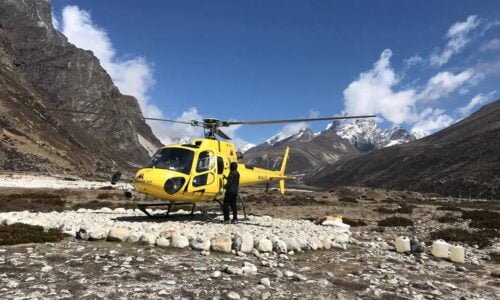
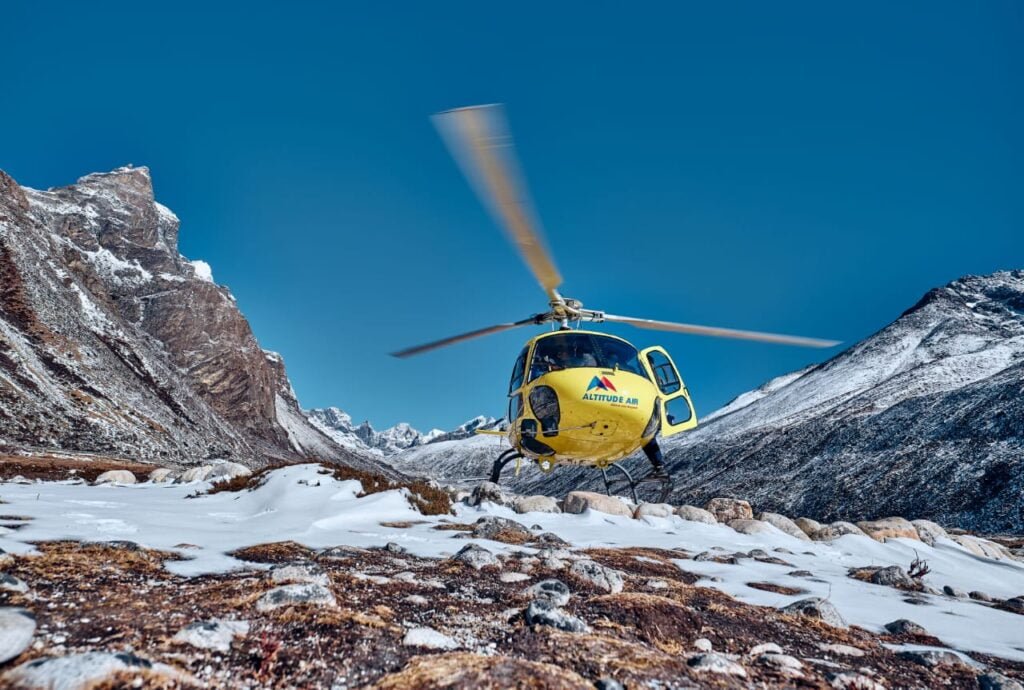
For serious emergencies, helicopter evacuation is the fastest and most reliable rescue option in the Everest region. Evacuations are typically coordinated from villages like Pheriche, Dingboche, Lobuche, or Gorak Shep, depending on weather and landing conditions. Your guide usually checks how serious things are, sets up rescue contact, then reaches out to your insurance provider. This requires valid travel insurance that covers high-altitude trekking and helicopter evacuation.
Understanding available emergency services, knowing evacuation procedures, and trekking with trained professionals significantly improves safety while trekking in the Everest region. In addition, proper preparation to avoid the potential issues is the best to have an enjoyable trekking experience.
Responsible Trekking in the Everest Region: Protect Nature, Culture, and Communities
Trekking in the Everest region gives you opportunity to enjoy the unique natural beauty of that area. Caring for the environment while respecting the local communities is a responsibility we all share. Here are some of the key practices:
Minimize environmental impact:
- Follow Leave No Trace principles and dispose waste properly.
- Carry out all non-biodegradable waste and use designated disposal points in villages like Namche Bazaar and Dingboche.
- Avoid single-use plastics and stay on the marked trails to help preserve Himalayan ecosystem.
Respect local culture and traditions:
- Be aware of cultural sensitivity (dress modestly in religious sites, walk clockwise around mani walls and chortens, etc)
- Ask permission before taking photographs of locals or religious sites.
- Treat traditional customs with respect.
Support local communities:
- You can support the local economy by staying in family-run teahouses.
- Buying souvenirs and services from local businesses whenever you can.
Protect wildlife and natural habitats:
- Observe wildlife from a distance.
- Do not try to interact with the wildlife.
- Avoid disturbing vegetation and sensitive high-altitude ecosystem.
- Stay on marked trail to prevent soil erosion and disturbing alpine flora and fauna.
Promote sustainable travel:
- Educate yourself about the area.
- Stick to the trail rules, encouraging others to trek responsibly.
By following these guidelines, you’ll help preserve the Everest region’s natural beauty and cultural heritage while having safer and more meaningful trekking experience.
Safety Tips for First-Time Everest Trekkers
Trekking in the Everest region is a life-changing experience, but first-time trekkers should prioritize safety to enjoy the journey with confidence. The first thing to do is to pick the right trekking route according to your experience and fitness level. Here are some of the most important things to prioritize while planning your first-time trek in Everest region-
Slow trek and proper acclimatization
Walk at a steady pace and include acclimatization days in the itinerary to let your body adjust in the high altitude. Never ignore the symptoms of altitude sickness.
Hire a licensed guide and porter
Experienced guides understand the terrain, weather patterns, and altitude-related risks. They also help monitor health issues like AMS, manage logistics, and communicate during emergencies.
Stay hydrated and eat properly
Don’t forget to drink plenty of fluids and avoid alcohol at higher elevations. Eat carbohydrate-rich meals commonly available in teahouses to maintain energy levels.
Check weather conditions daily
As the weather in the Everest region fluctuates quickly, be prepared for cold temperatures, strong winds, and flight delays, especially around Lukla. Check the weather forecast regularly.
Pack smart and carry essentials
Remember to pack all the essential items like layered clothing, trekking boots, warm sleeping bag, basic first-aid supplies, etc for safety at high altitude. You can check out the list of gears and essentials we have provided above.
Listen to your body and speak up early
You should never ignore your body’s signals especially in the high altitudes. If you experience any of the symptoms like fatigue, headaches, dizziness, or loss of appetite, immediately inform your guide.
Have travel insurance with high-altitude coverage
Make sure you have a proper insurance that covers trekking above 5,000 m and includes emergency helicopter evacuation.
Respect local rules and trekking guidelines
Always remember to follow the rules and regulations of the route you trek to. Respect their customs and culture for safe and more responsible trekking experience.
Frequently Asked Questions about Everest Trek Safety
1. Is trekking in the Everest region safe for beginners?
Yes. Trekking in the Everest region is safe for beginners as long as proper precautions are taken. Choosing well-established routes like the Everest Base Camp Trek, allowing enough acclimatization days, and trekking with a licensed guide from a reputable agency like Outdoor Himalayan Trek greatly reduce risks.
2. What is the biggest safety risk while trekking in the Everest region?
The main safety risk is altitude sickness (AMS), among other risks like weather which can be prevented with proper planning. For AMS, rapid ascent, dehydration, and ignoring early symptoms increase the danger. Hence proper acclimatization, slow pacing, and professional guidance are key to prevention.
3. Do I need a guide for Everest region treks?
A guide is not mandatory for all Everest treks, but hiring a licensed local guide significantly improves safety. Guides assist with navigation, weather decisions, altitude monitoring, and emergency response, especially for first-time trekkers.
4. How high is Everest Base Camp, and is altitude sickness common?
Everest Base Camp sits at 5,364 m (17,598 ft). Altitude sickness is common but manageable with gradual ascent, rest days in places like Namche Bazaar and Dingboche, and proper hydration.
5. Are there medical facilities along Everest trekking routes?
Yes. Health posts and clinics are available in Lukla, Namche Bazaar, Khumjung, and Pheriche. Pheriche hosts a well-known altitude aid post supported by medical professionals during peak seasons.
6. What happens in case of emergency during the trek?
In emergencies, guides coordinate evacuation using satellite phones or mobile networks. Helicopter rescues are available when weather permits, provided trekkers have suitable travel insurance covering high-altitude evacuation.
7. Is helicopter rescue available in the Everest region?
Yes. Helicopter rescue services operate throughout the Everest region, especially from Namche Bazaar, Pheriche, and Dingboche, depending on weather and visibility conditions.
8. How reliable is mobile network and internet access on Everest treks?
Mobile network coverage is available in major villages such as Lukla, Namche Bazaar, and Dingboche, while internet access is commonly provided via pais Wi-Fi services in teahouses, though speeds can be slow.
9. What permits are required for trekking in the Everest region?
Trekkers need a Sagarmatha National Park Permit and Khumbu Pasang Lhamu Rural Municipality Permit. These permits are checked along the trail and are mandatory for all trekkers. Additional permits may be required according to the itinerary.
10. What is the best season for safe trekking in the Everest region?
The safest trekking seasons are spring (March-May) and autumn (September-November). These months offer stable weather, clear mountain views, and better trail conditions.
11. How physically fit do I need to be for Everest trekking?
Moderate fitness is sufficient for most Everest treks. Regular cardio, leg strengthening, and hiking practice before the trip help prepare the long walking days and altitude gain.
12. Is it safe to trek solo in the Everest region?
Solo trekking is possible but not recommended for first-time trekkers. Trekking with a guide or group enhances safety, especially in case of altitude issues, weather changes, or route confusion.
13. What kind of accommodation is available during Everest treks?
Accommodation is mainly teahouses, offering private or shared rooms with basic amenities. Lodges in larger villages like Namche Bazaar provide better facilities and hygienic food options.
14. Is food safe to eat during the Everest trek?
Yes, food is generally safe when eaten at established teahouses. Freshly cooked meals such as dal bhat, soups, noodles, and rice dishes are recommended for energy and digestion.
15. Do I need travel insurance for Everest trekking?
Yes. Travel insurance covering trekking above 5,000 meters and emergency helicopter evacuation is essential and often required by trekking agencies.
16. How cold does it get in the Everest region?
Temperatures can drop below -10oC at night at higher elevations, especially in autumn and spring. Proper layering and cold weather gear are essential for safety.
17. Can weather affect flights to Lukla?
Yes. Flights to Lukla are frequently delayed or canceled due to weather conditions. It’s advised to keep buffer days in your itinerary.
18. What makes the Everest region safe compared to other high-altitude treks?
Well-marked trails, frequent settlements, established rescue systems, and experienced local guides make the Everest region one of the safest high-altitude trekking areas of Nepal.
19. Is the Everest region suitable for luxury trekking?
Yes. Luxury lodges and upgraded teahouses are available on popular routes, offering heated rooms, private bathrooms, and higher food hygiene standards. You can explore our luxury trekking options in the Everest region, including curated experiences like the Everest Luxury Trek.
20. How can I prepare best for a safe Everest trek?
You can prepare yourself by training in advance, packing properly, choosing the right season, hiring experienced guides, and following acclimatization guidelines. Preparation is the base of a safe and successful trek.
Final Takeaways: Trek Smart and Stay Safe in the Everest Region
Trekking in the Everest region is an unforgettable experience of lifetime when done with the right preparation. Paying attention to acclimatization, weather, permits, proper gear, hydration, and experienced guides when planning the trek definitely helps to reduce risks and ensure a smoother journey through the Himalayas.
If you’re planning an Everest trek and have any questions, need expert guidance, route advice, safety tips, or help choosing the right trekking option, feel free to explore our website or contact our team for reliable guidance and personalized support.