Everest Base Camp vs Gokyo Lakes Trek: Honest Pros, Cons, and the Ultimate Decision Guide
24 Feb 2026 17 min to read
Planning a trek in Nepal? This Everest Base Camp vs Gokyo Lakes Trek guide compares scenery, difficulty, cost, crowds, highlights and more, to help you choose the perfect Himalayan adventure.
Everest Base Camp vs Gokyo Lakes Trek Overview
Choosing between Everest Base Camp and Gokyo Lakes is one of the most common dilemmas for trekkers planning their Himalayan adventure. Both of these treks are magnificent choices in the Khumbu region. Although travelers can expect views of beautiful mountains with authentic experiences of Sherpa culture from both these treks, they deliver vastly different experiences.
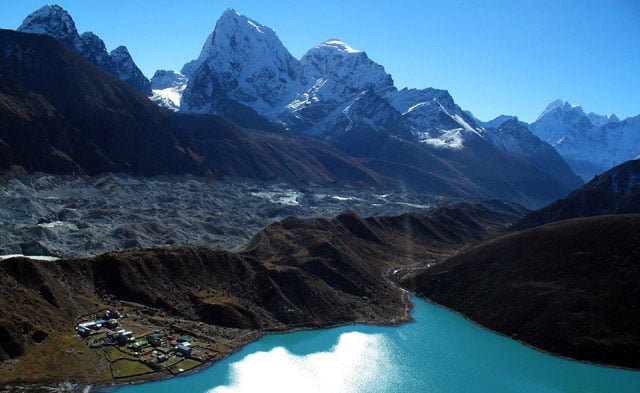
Everest Base Camp (EBC) is famous for being the base of the world’s highest mountain, following the footsteps of legendary mountaineers. The Gokyo Lakes Trek takes you to a chain of pristine turquoise glacial lakes with more beautiful 360o views of Everest and surrounding peaks. For those who have extra time and are interested, a combination of both these treks would be the best choice to get the ultimate experience in the Everest region.
This comprehensive guide compares treks to Gokyo Lakes and EBC across important factors, including difficulty, scenery, crowds, cost, duration, and highlights, so that you can make an informed decision based on your preferences, fitness level, and trekking goals.
Key Differences between Everest Base Camp vs Gokyo Lakes Trek
Choosing the right trek between the Everest Base Camp and Gokyo Lakes trek depends on what kind of Himalayan experience you’re seeking. We cannot say one trek is objectively better, as it all depends on your preferences. Both of these routes in the Khumbu region offer iconic and memorable experiences with stunning scenery, high-altitude adventure, and rich Sherpa culture, whereas the overall feel of each trek can be distinctly different.
Everest Base Camp Trek Highlights
Here are some of the specialties of the EBC trek, making it a very attractive choice.
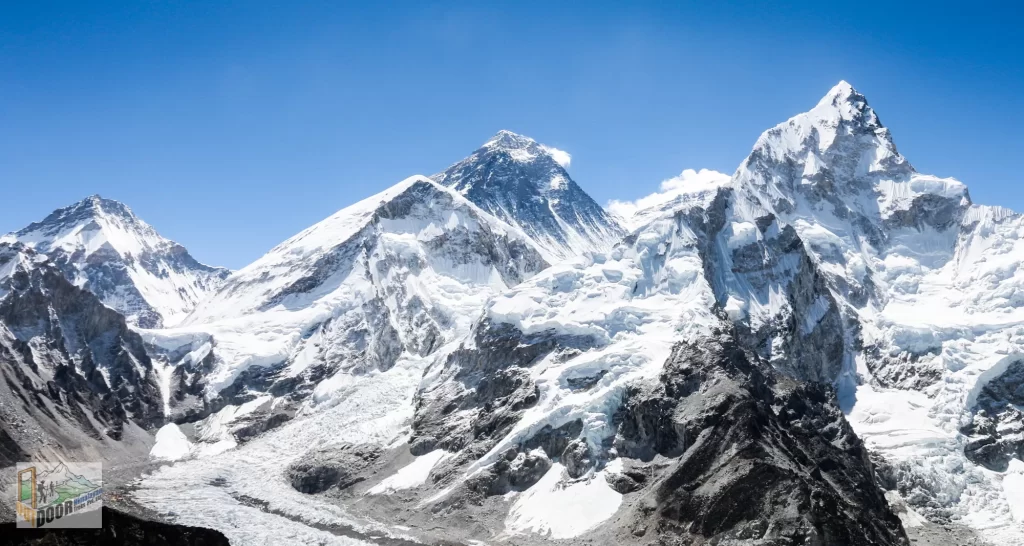
- The view of Mount Everest is the ultimate highlight of this trek.
- Watching the first light shining on the Everest’s summit from Kala Patthar is a peaceful experience.
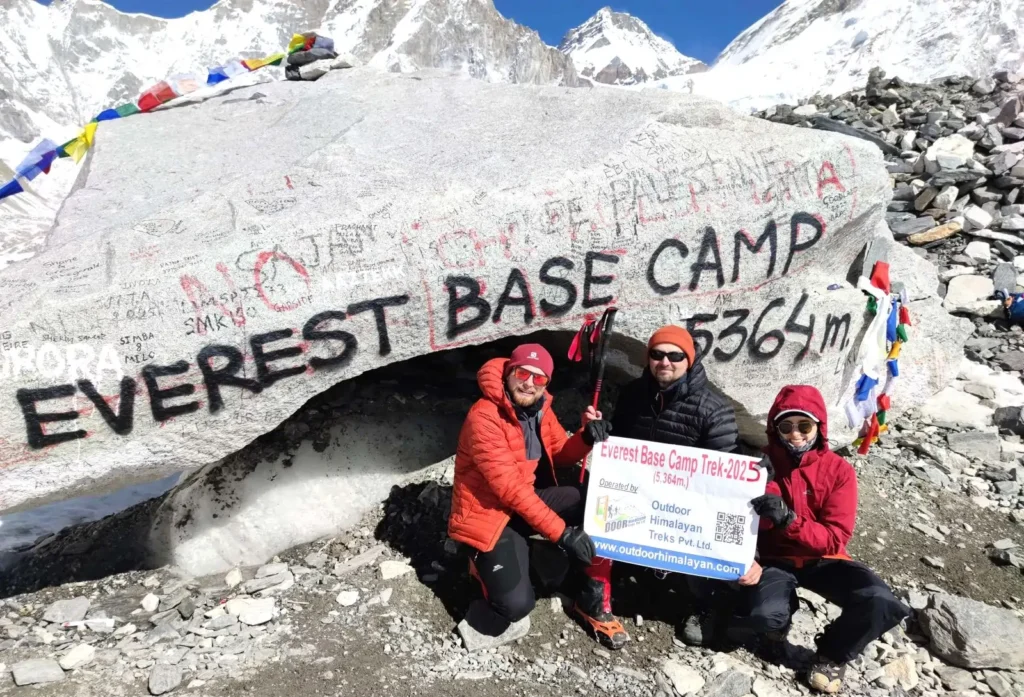
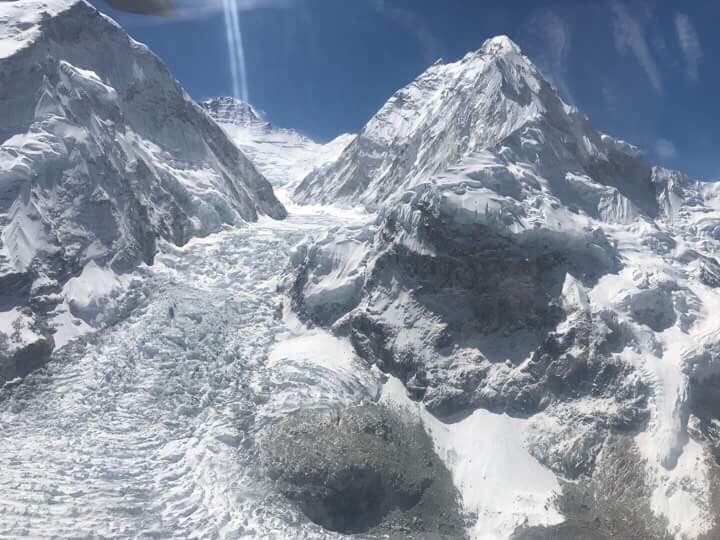
- Trekkers can enjoy the view of the massive Khumbu Icefall to enhance their journey.
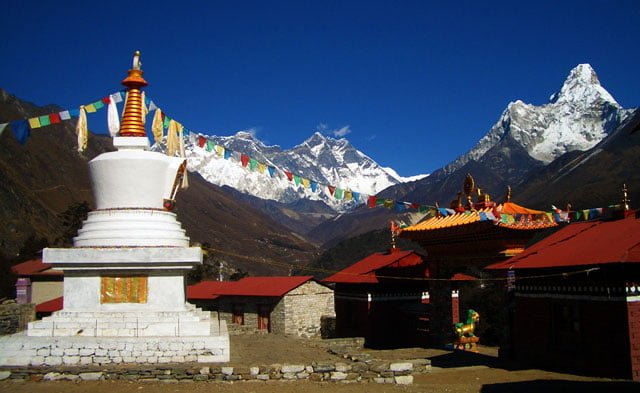
- You can have a spiritual experience in the largest monastery in the region, Tengboche Monastery.
- Crossing the iconic suspension bridge, Hillary Bridge, named after Sir Edmund Hillary.
Gokyo Lakes Trek Highlights
Some of the best points about the Gokyo Lakes Trek are listed below:
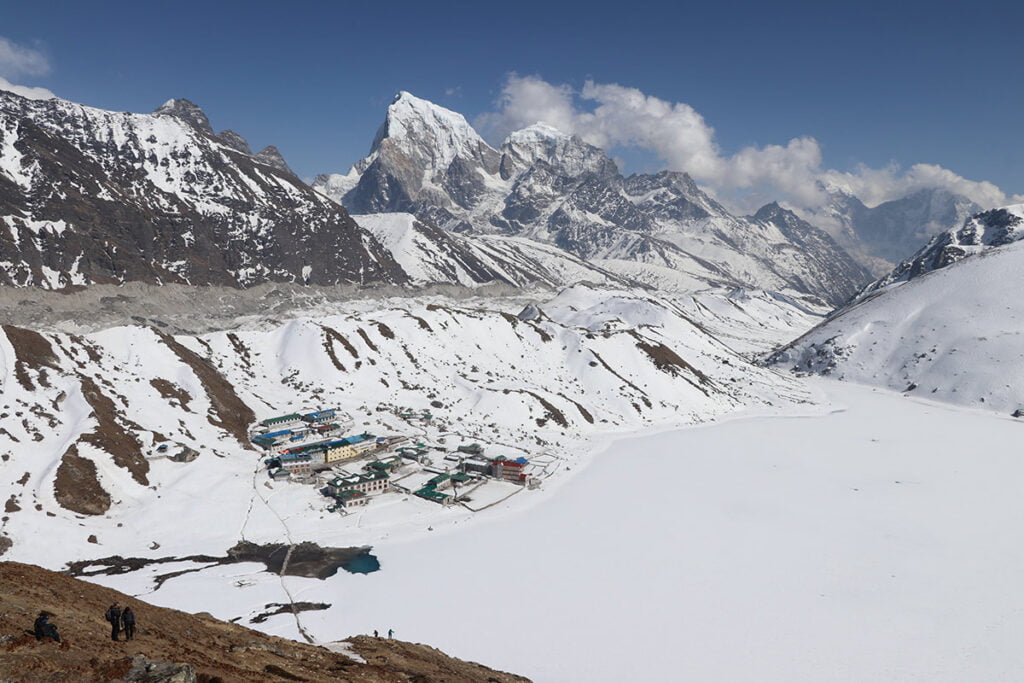
- The Five Sacred Lakes are the focal point of this trek, where each of the beautiful lakes has equal spiritual significance.
- The best viewpoint in the entire Khumbu region has to be the Gokyo Ri summit.
- You can walk alongside the Himalayas’ longest glacier, Ngozumpa Glacier.
- You have better chances of spotting the Himalayan wildlife on this trail.
- The turquoise lakes and white peaks make for the best backdrop for beautiful photography.
You can read our Complete Guide to the Gokyo Ri Trek to understand more about the Gokyo Ri Trek.
Trek Difficulty of Everest Base Camp vs Gokyo Lakes Trek: Which is Harder?
Here is a detailed section comparing the difficulty of the EBC trek and Gokyo Lakes trek, including altitude & acclimatization needs, trail conditions, and daily walk duration. With this section, we hope to help you choose the perfect trek according to your preference or engage in training accordingly to prepare for your trek.
Read our detailed Everest Base Camp Trek Difficulty guide to have a deeper understanding of this topic.
Altitude & Acclimatization
We reach similar maximum altitudes with both these treks, EBC peaks at 5,644m on Kala Patthar, while Gokyo Ri reaches the elevation of 5,357m, which is the highest point of the trek itself. However, the acclimatization, although necessary on both treks, can vary slightly:
Everest Base Camp:
- It involves gradual altitude gain in the initial days.
- Main acclimatization day is most commonly planned at Namche Bazaar (3,440 m).
- Second acclimatization day is often planned at Dingboche (4,410 m).
- Most operators, including ours, follow a well-established acclimatization protocol.
Gokyo Lakes:
- It includes a steeper ascent from Dole to Machhermo to Gokyo.
- The teahouses are fewer than the main Everest Base Camp trail, which means less flexibility for extra rest days (a tented camp can be an option in that case).
- Trekkers have to walk a steep and challenging climb from Gokyo village to Gokyo Ri.
- If the itinerary is combined with EBC, it includes crossing Cho La Pass (5,420 m).
- In terms of altitude, we feel a similarity in both of these treks. EBC, being the more popular one, has a smoother acclimatization schedule, whereas Gokyo includes steeper daily ascents with comparatively fewer resting facilities. Hence, it requires stronger fitness as compared to just trekking to EBC.
- Check our Everest Trek Safety Guide to prepare properly for your trek.
Crowds and Trail Experience
For most people, crowded areas aren’t ideal for peacefully experiencing their journey. Hence in addition to the trail condition, we have mentioned crowd condition in both treks to help you choose your preferred trek.
Everest Base Camp
This is, without a doubt, the most popular trek of Nepal, attracting over 50,000 trekkers annually. You can expect these on this trail:
- Crowded trails, especially in peak seasons (March-May, October-November).
- Teahouses may be busy; hence, pre-booking may be required.
- You may experience crowds or long queues at popular photo spots.
- Because of its popularity, this trek is a great option for meeting fellow trekkers.
Gokyo Lakes
- Lesser popularity means quieter trails with opportunities for peaceful trekking.
- Teahouses are quieter, where you can interact with the hosts in peace.
- You can find accommodations more easily without having to book in advance.
- Because of fewer people, there is better wildlife spotting opportunities like Himalayan tahr, musk deer and pheasants.
- If you’re someone who prefers solitude in your journey while gaining authentic experiences, we recommend the Gokyo Lakes Trek. But if you enjoy a social trekking where you can interact with other trekkers, EBC would be a better option for you. But if you’re not sure or would like both experiences, you can definitely combine these treks easily.
Cost Comparison: Everest Base Camp vs Gokyo Lakes Trek
Total trek cost always depends on various factors, including guide/porter services, accommodation choices, and package inclusions. Additional costs will always be there in any trek, according to your personal spending. Here is a typical cost breakdown for these treks:
Everest Base Camp:
- Guided group trek can cost you $1,200 – $1,800
- Private guided trek costs you more, which can range between $1,500 and $2,500.
- You can take an independent trek which can cost you between $800 and $1,200.
Gokyo Lakes:
- Guided group treks to Gokyo Lakes can cost you from $1,100 to $1,700.
- Private guided treks can cost more which can be between $1,400 and $2,300.
- Independent treks to Gokyo Lakes can cost between $700 and $1,100.
Additional Costs (For Both Treks):
- If your itinerary involves Lukla flight, it may cost you $350 to $400.
- No matter where you trek, travel insurance is a must. It can cost you something in the range of $100 to $200.
- Tip for your guides/porters will cost you $150 to $300.
- For things like snacks, drinks and battery charging, you might have to pay an additional $150 to $250.
- Comparing the two treks, Gokyo is slightly cheaper due to lower permit fees and less commercial infrastructure, as it is less popular. But the cost difference is minimal (around 10-15%) so it can be less of your concern while choosing the trek.
Best Time to Trek Everest Base Camp vs Gokyo Lakes
Both of these trek destinations, Everest Base Camp and Gokyo Lakes lie in the Khumbu region. Hence, there is no significant difference in the best and worst trekking seasons for both. Factors affecting the trail and trekking experiences like weather patterns, visibility, and trail conditions, are nearly identical on both trails, so your timing decision applies equally to both treks. Here is the seasonal overview to help you plan your trek in the right conditions:
Peak Seasons (Best Weather)
Spring (March to May): One of the Best Seasons
This is one of the most popular seasons to trek in the Everest region. This season rewards the trekkers with relatively stable weather, moderate temperatures with beautiful views of blooming rhododendrons. You can enjoy clear skies offering excellent mountain views (though occasional haze may appear toward the end of May).
Autumn (September to November): Peak Trekking Season
This is another season which is widely considered as the best trekking time. After the monsoon clears the dust from the air, trekkers can experience crisp skies and excellent visibility. You can expect stable weather, breathtaking 360o views, and lively trails with more number of trekkers.
Off-Peak Seasons
Winter (December to February): Quiet but Cold
In winter, trekkers can enjoy fewer crowds and peaceful trails, making it ideal for those who prefer solitude. But, because of a significant drop in temperature, especially at higher elevations, some passes or viewpoints may be snow-covered. Extreme cold may make it difficult to trek for some travelers. But with proper preparation, trekkers can enjoy their journey to both of these trails.
The Gokyo Valley can experience heavier snowfall than the EBC route in winter, potentially making it more challenging.
Monsoon (June to August): Least Recommended
We don’t recommend trekking in this season because of heavy rainfall, cloudy skies and limited visibility. Also in this season, flights to Lukla are more likely to be delayed. Plus, trekking can be hard and in the wet and slippery trails with the presence of leeches in this season.
Because Everest Base Camp and Gokyo Lakes share the same climate conditions, you need to choose the best time according to your weather preference and crowd tolerance.
Itinerary Comparison: Everest Base Camp vs Gokyo Lakes Trek
Both of these treks, the Everest Base Camp trek and the Gokyo Lakes trek, offer flexible itinerary options depending on your timeframe, acclimatization needs, and trekking preference. Although the core routes of both treks remain similar, the duration and pace can vary based on whether you choose a standard, short, or extended itinerary. With trekking agencies like Outdoor Himalayan Treks, you can customize your trek, from accommodation to the route option, according to your preference.
Everest Base Camp Trek Itinerary Options
Flexibility has to be one of the biggest advantages of the Everest Base Camp trek. Multiple itinerary variations exist that are designed to suit different schedules and preferences, making it accessible for a wide range of trekkers.
Most standard EBC itineraries range between 12 and 14 days, including acclimatization days in Namche Bazar and Dingboche to ensure safe ascent. These classic routes follow the traditional trail through the Khumbu Valley and include highlights like Tengboche Monastery, Kala Patthar viewpoint, and the Khumbu Glacier.
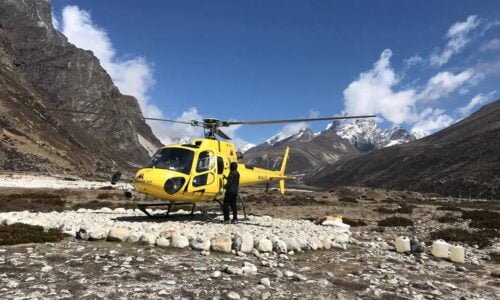
But if you have limited time, shorter itineraries with helicopter return options are also available. On the other hand, extended trips may include side excursions or a slower pace for better acclimatization and a more relaxed experience. There are other options where the path to or back from EBC is different (e.g., EBC trek via Salleri, EBC trek via Jiri, EBC trek via Cho La Pass).
For travelers who are more inclined towards having a premium experience with upgraded lodges, personalized service, and a helicopter return while still completing the classic route, we also offer Luxury Everest Base Camp trek and Everest Base Camp Premium Trek with Helicopter return options. This option offers added comfort, smoother logistics, and a more relaxed trekking experience.
👉Explore these different Everest Base Camp Trek Routes for more information.
Gokyo Lakes Trek Itinerary Options
The Gokyo Lakes Trek usually follows a slightly shorter and quieter route compared to the Everest Base Camp. Most itineraries range between 12 to 13 days, including enough acclimatization time to let your body adjust. The itineraries are planned so that travelers can take their time exploring the lakes and surrounding viewpoints.
Exploring Gokyo Ri is the highlight of this itinerary, from where trekkers can get one of the best panoramic views in the Everest region. With some extended variations, you can include crossing the Cho La Pass to combine your Gokyo trek with the EBC trek, combining them into a single adventure.
This trail is less crowded making the daily walking experience feel more relaxed, although the distances and elevation gains are similar to the EBC trek.
Which Itinerary Should You Choose?
If you’re someone who prefers flexibility in your trek, we recommend the EBC trek as it offers the widest range of itinerary options. Yet for quiet adventure seekers, Gokyo Lakes might be a better option, where trails wind slow through untouched scenery.
Besides, mixing these two treks works well when extra days open up, and you want the experience of both adventures.
Everest Base Camp vs Gokyo Lakes Trek Pros and Cons
Both the Everest Base Camp trek and the Gokyo Lakes Trek are one-of-a-kind treks in Nepal. Each of them offers a unique experience according to your priorities, expectations, and trekking style. Here are some of the pros and cons of each route to help you choose the trek that best matches your goals.
Everest Base Camp Trek Pros
- Iconic bucket-list achievement:
- Most people have a bucket-list of reaching Everest Base Camp, a globally recognized milestone. You’ll definitely get a strong sense of accomplishment standing at the foot of the world’s highest mountain.
- Classic Himalayan trekking experience:
- You’ll get to experience the famous Sherpa villages, beautiful monasteries, and well-known landmarks, which add to the unique cultural atmosphere of the trek.
- Well-developed infrastructure
- Being the most popular trek of Nepal, its routes involve more tea houses, bakeries, and facilities, making logistics straightforward and comfortable compared to other quieter routes.
- Social and lively trail environment
- Because of its popularity, there will be many trekkers from around the world. This is ideal for those people who prefer a vibrant trekking atmosphere.
Everest Base Camp Cons
- Crowded trails during peak seasons
- It is obvious that the most popular trekking spot will be crowded in popular seasons like spring and autumn. So pre-planning is necessary.
- Less variety in landscapes compared to Gokyo
- Although the mountain views are stunning, the scenery is more glacier and valley focused.
- Can feel more commercialized
- For those who prefer quieter trails, this trek might feel more crowded, which can dilute their experience.
Gokyo Lakes Trek Pros
- Quieter and more peaceful trekking experience
- This is the best advantage of the Gokyo trek over the EBC one. Trekkers can enjoy solitude and an authentic experience in nature.
- Diverse and unique landscapes
- This trail offers varied scenery consisting of turquoise glacial lakes, Ngozumpa Glacier, and wide Himalayan panoramas.
- Panoramic mountain views from Gokyo Ri
- According to many trekkers, the best viewpoint of the Everest region is the one in Gokyo Ri, offering views of multiple 8000 meter peaks.
- Less crowded lodges and trails
- You can find calmer routes and easily available lodges even during peak seasons.
Gokyo Lakes Trek Cons
- Less iconic recognition
- Although this route is gorgeous, Gokyo Lakes doesn’t carry the same global recognition as Everest Base Camp.
- Slightly more remote logistics
- Less popularity means fewer facilities compared to the main EBC route, although still comfortable.
- Weather can impact lake visibility
- Cloudy conditions don’t only decrease the mountain visibility, but also make the lakes less visible.
Final Verdict: Everest Base Camp vs Gokyo Lakes Trek
While deciding which trek to choose between the EBC and Gokyo, there is no wrong answer. Both deliver extraordinary Himalayan experiences. Choosing one for you comes down to what kind of adventure you want. Especially when both routes offer breathtaking mountain scenery, rich Sherpa culture, and a rewarding high-altitude adventure, while still delivering different styles of trekking.
Choose Everest Base Camp if your primary goal is to reach the world-famous destination and experience the classic Everest journey with iconic landmarks and a lively trail atmosphere. The EBC delivers that iconic experience with well-established infrastructures and well-structured trails.
Choose Gokyo Lakes if you value solitude in pristine natural beauty, superior mountain photography, and peaceful trails over name recognition. This trail provides you closer connection to nature and an authentic experience of the Everest region with peaceful adventure.
Quick Decision Guide
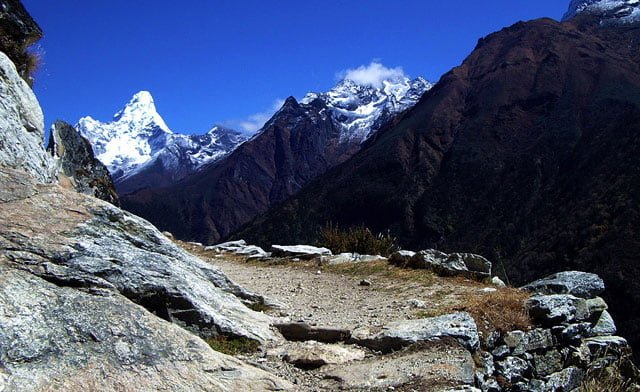
- Everest Base Camp for a bucket-list trek with iconic recognition and classic Himalayan culture.
- Gokyo Lakes for tranquility, turquoise lakes, and a less crowded trekking experience.
- No matter which route you choose, with proper planning, acclimatization, realistic pacing, and preparation, you’ll be able to enjoy your trek to the fullest. Plus, choosing the right tour agency like us will help you have a hassle-free trip to your preferred destination.
- We recommend that you browse our Everest region trek packages to find the itinerary that suits your travel style.
FAQs
Is the Gokyo Lakes Trek harder than the Everest Base Camp?
Both the Gokyo Lakes trek and the EBC trek are considered moderate to challenging due to high altitude and long trekking days. Gokyo can feel slightly more physically demanding in certain sections, especially around the Ngozumpa Glacier, while Everest Base Camp follows a more gradual and well-established route. Overall difficulty is similar and depends largely on fitness, acclimatization, and pacing.
Which trek has better views, Everest Base Camp or Gokyo?
Even in terms of views, both treks offer spectacular Himalayan scenery but with different highlights. EBC provides close-up views of the Everest, dramatic glaciers, and classic mountain landscapes, while Gokyo Lakes offers more diverse scenery, including turquoise lakes and wide panoramic views from Gokyo Ri. Many trekkers consider Gokyo Ri one of the best viewpoints in the Everest region.
Which trek is less crowded in the Everest region?
The Gokyo Lakes trek is significantly less crowded than the Everest Base Camp trek, especially during the peak spring and autumn seasons. Trekkers looking for quieter trails and a peaceful atmosphere often prefer Gokyo, while Everest Base Camp offers a more social trekking experience with busier tea houses and trails.
Can beginners do the Everest Base Camp or the Gokyo Lakes trek?
Yes. Beginners can absolutely trek to both of these destinations, but they are required to have good physical fitness and proper preparation. Although these trips don’t include any technical climbing, both of them involve high altitude trekking, which means proper acclimatization, gradual pacing, and basic training before the trip are strongly recommended.
Which trek is better for avoiding altitude sickness?
Neither trek has a significant advantage in this case since both reach similar altitudes and require proper acclimatization. Following a well-paced itinerary, staying hydrated, and allowing rest days are the most important factors in reducing altitude sickness risk on either routes.
What is the main difference between the Everest Base Camp and the Gokyo Lakes Trek?
The main difference is the overall experience. Everest Base Camp is a classic, iconic trek focused on reaching the base of the world’s highest mountain with a lively trail atmosphere. Gokyo Lakes trek is quieter and more scenic, featuring glacial lakes and panoramic viewpoints with fewer crowds.
Is the Gokyo Lakes trek worth it instead of the Everest Base Camp?
Yes, Gokyo Lakes is absolutely worth it if you prefer quieter trails, diverse landscapes, and panoramic views over reaching a famous bucket-list destination. Many trekkers choose Gokyo specifically for its peaceful atmosphere and unique scenery.