First Time in Nepal? Here are 7 Best Treks for Beginners. A Complete Guide
24 Mar 2026 26 min to read
Why Nepal is the Ultimate Destination for First-Time Trekkers
For anyone who has never trekked before, the idea of strapping on a pair of boots and walking in the Himalayas can feel both thrilling and a little intimidating. You might be asking these questions:
- Do I need to be super fit?
- Do I need expensive gear?
- Could safety be an issue here?
Fear not, Nepal stands out as a top pick for those just starting their trekking journey.
What makes Nepal the ultimate destination for first-time trekkers? Sure, the dramatic peaks draw people in. Yet it goes beyond views alone, it’s about the entire ecosystem that has been built around trekking for decades.
The Magic of Teahouse Treks
Tea houses line many trails across the region. With these shelters, there is no need to haul tents or stoves along the way. You walk from village to village, staying in cozy lodges where you can enjoy a hot meal and a warm bed each night. This makes a Himalayan trekking holiday accessible to almost anyone with a reasonable level of fitness.
More Than Just Mountains
Folks from Nepal often surprise visitors with how welcoming they can be. The paths are well-trodden and clearly marked, and the teahouse owners are experienced in catering to international guests.
Whether you are looking for a short trek in Nepal to get a taste of the mountains, or you dream of standing at the base of the world’s highest peak, there is a route perfectly tailored for you. You get to focus on the experience, the fresh air, the culture, and the incredible views, while the infrastructure handles the logistics. This guide shows new trekkers what Nepal has to offer, helping you compare altitude and difficulty so that you can confidently choose the adventure that’s right for you. For a full overview of all our Nepal Trekking, you can visit our main trekking page.
Let’s find you perfect trail!!
6 Best Treks in Nepal for Beginners (With Altitude & Difficulty)
Nepal is known for its variety of trekking routes, but not all of them are suitable for beginners. A few demand technical climbing, while some require camping in remote wilderness. Others are simply too long for a first-time adventure.
The six trails we provided below are the sweet spot. Not too hard, yet all offering the classic Himalayan experience- stunning views, cultural encounters, and that sense of achievement. Each one opens up the high world without needing much experience.
For each trek, we’ve included the vital details: peak height, trek duration, and difficulty level. That way, judging one against another becomes easier.
Let’s dive in.
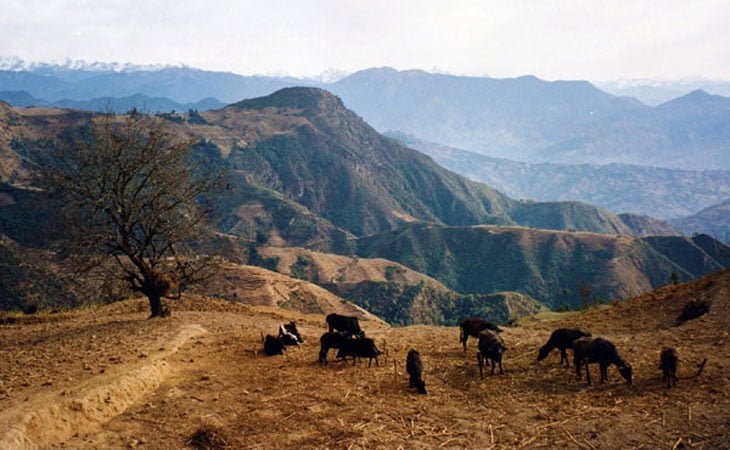
Ghorepani Poon Hill Trek– Best Short Trek for Panoramic Views
One week here gives you just enough time to enjoy sunrise moments over the classic Himalayan peaks.
The Details:
- Maximum Altitude: 3,210 m (Poon Hill)
- Duration: 4-5 days
- Difficulty: Easy
Why it’s perfect for beginners:
Called a tea house trek by many, it fits. The altitude stays low enough to keep things comfortable, while each day’s walk is manageable (4-5 hours). What you get back feels way bigger than what you put in.
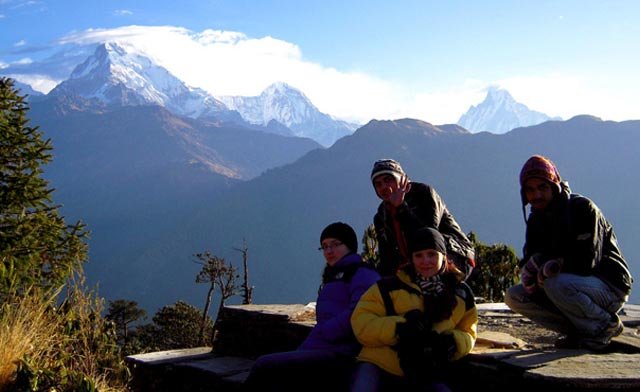
The highlight comes before dawn on day 4 or 5. You’ll hike by headlamp up to Poon Hill, a well-known spot, from where you face east as sunlight ignites both Annapurna and Dhaulagiri. Imagine endless snowy summits glowing under an open sky, all around you.
Footpaths twist between thick rhododendron forests (especially vivid when they bloom in spring) and traditional Magar settlements, blending greenery with local life. It’s brief, sweet, and leaves you wanting more.
Best for: Travelers short on time or wanting a gentle introduction to trekking.
Langtang Valley Trek – A Cultural Immersion Close to Kathmandu
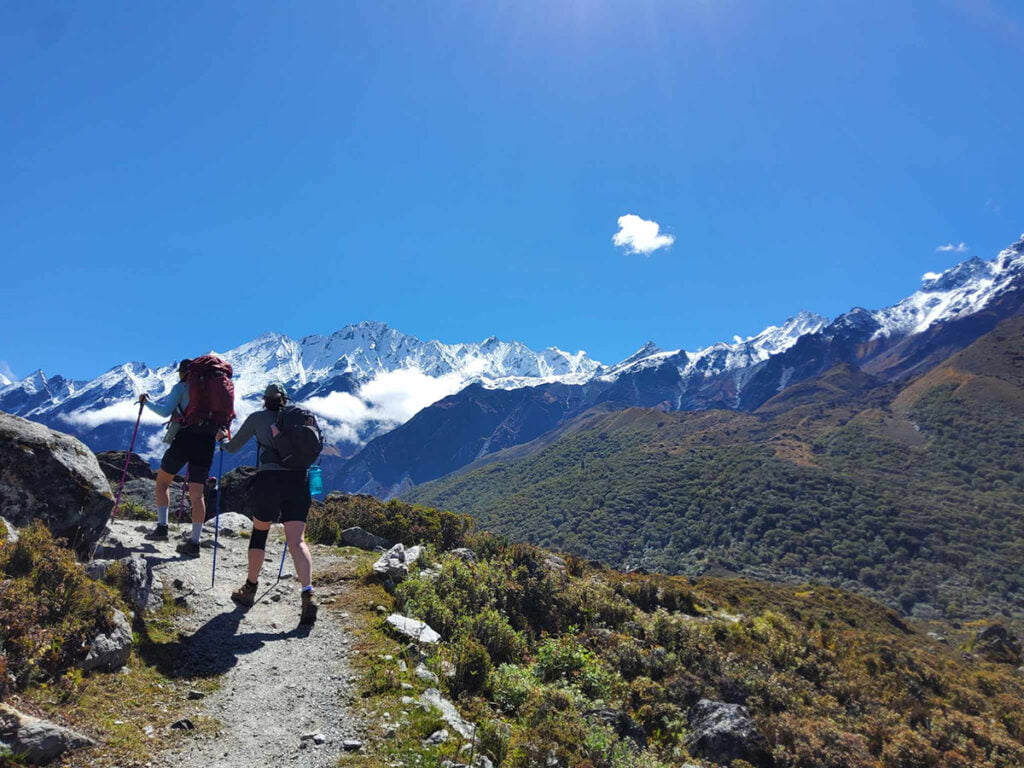
The “valley of glaciers” offers dramatic mountain scenery with a fraction of the crowds.
The Details:
- Maximum Altitude: 4,984m (Kyanjin Ri)
- Duration: 7-10 days
- Difficulty: Moderate
Why it’s perfect for beginners:
Most travelers head straight for Everest or Annapurna without giving Langtang a second thought. Yet this valley is far more striking than many realize. Beautiful scenery meets rich culture in this quiet Himalayan corner. A 7-hour road trip from Kathmandu puts it well within reach.
Following the Langtang River, you’ll walk through forests of oak and rhododendron, into the heart of the Langtang Himal. Villages appear one after another, where Tamang families reside, shaped by traditions from Tibet- seen clearly in small monasteries, prayer flags, and friendly smiles.
Even the recovery of the trail after the earthquake in 2025 has been remarkable. By choosing Langtang, you’re also supporting communities that have worked incredibly hard to rebuild and welcome trekkers again.
Best for: those seeking culture, solitude, and dramatic high-altitude landscapes without the Everest crowds.
Annapurna Base Camp (ABC) Trek – Best ‘Moderate’ Trek
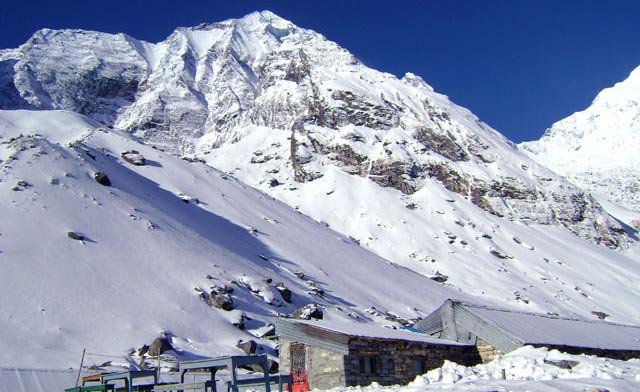
Walk right into the heart of the Annapurna Sanctuary, a basin surrounded by a ring of towering peaks.
The Details:
- Maximum Altitude: 4,130 (Annapurna Base Camp)
- Duration: 7-12 days
- Difficulty: Moderate
Why it’s perfect for beginners:
Imagine Poon Hill as a quick preview of ABC, which unfolds like the entire film. This trek takes you deep into the mountains, eventually depositing you at the foot of the world’s 10th highest peak.
Each day brings a new landscape. One day you’re walking through terraced rice paddies and thick green canopies. A few days later, you’re surrounded by glacial moraines and massive icefalls. The final approach to the Sanctuary is genuinely breathtaking- you feel tiny walking among giants.
Though the trek takes more days and climbs higher than Poon Hill, the path stays clear and familiar. Teahouses along the way are more basic but full of character. Reaching the Base Camp fills you with an immense sense of achievement.
Best for: Beginners who want a proper mountain adventure and have around 10 days to spare.
Everest Base Camp (EBC) Trek – Best Iconic Trek
The most famous trek for a reason. Fly into a tiny mountain airstrip, walk through Sherpa villages to end up at the foot of the world’s highest mountain.
The Details:
- Maximum Altitude: 5,364m (Everest Base Camp) / 5,545m (Kala Patthar)
- Duration: 12-16 days (Depends on itinerary)
- Difficulty: Challenging (but doable for beginners)
Why it’s perfect for beginners (with caveats):
Everest Base Camp (EBC) ranks among the best-known treks worldwide, and rightfully so. Legends walked these paths before; their tracks still guide your steps today. The journey begins with a thrilling flight to Lukla, where airstrip, and a walk among the highest mountains on the planet.
Altitude is the main challenge of this trek. At 5,364 m, the air gets thin fast, and you will feel it while trekking. The key to avoiding problems like altitude sickness is proper preparation and pacing (with acclimatization).
The trail is incredibly busy, hence tea shops lining the path are reliable and warm. You’re never alone in this trek. Sunrise from the rocky moraine of Base Camp or Kala Patthar- rock underfoot gives you iconic view of Everest. These special moments make you understand why people call it the trek of a lifetime.
Best for: Beginners with decent fitness, and at least two weeks to dedicate, who want to get a close-up view of Mount Everest.
How to Choose the Right Trek for You: A Simple Flowchart & Checklist
We’ve introduced some of the best treks for beginners. Poon Hill with its sunrise, Langtang with its quiet valleys, and Everest Base Camp standing tall, there are many options when it comes to Nepal.
But how do you actually pick one?
Finding the right option might take less effort if you start by asking yourself these 3 honest questions.
1. How many days do you really have?
Let’s be realistic about counting the travel days. We won’t be counting the day you arrived in Kathmandu, as you’d be jet-lagged. Only the days spent actually trekking will be counted (total travel time can be more or less, according to your personal choices)
- Less than a week? Poon Hill or Mardi Himal, both treks pack stunning views into just a few days. A short trip here feels like stepping into another world, letting you enjoy the Himalayan magic, even when time is tight.
- Seven to ten days? This is plenty of time for Langtang, maybe Helambu, or even the Royal Trek. You’ll be able to get the proper mountain experience and immersion.
- Ten days or more? This solid amount of time opens doors to multiple treks in Nepal. You can trek Annapurna Base Camp, even Everest Base Camp among the longer trails we’ve recommended.
2. How do altitudes make you feel?
For those who are:
- The cautious type? If height makes you think twice, try Poon Hill or the Royal Trek. You’ll be able to enjoy the stunning scenery without pushing your limits. Breathing is easier in these treks hence, close to no chance of getting AMS.
- Curious but careful? Reaching 4,500 m, Mardi Himal or Langtang lets you get a taste of altitude while keeping the risks low.
- Ready to test your limits? If you’re someone who likes a challenge, we recommend EBC or ABC. They take you to high elevations, while rewarding you with the most stunning Himalayan visuals.
3. What does your heart really want?
Instead of looking around for reasons to select your trek, we recommend that you ask yourself what’s calling you or what you actually expect from your travel.
- Sunrise over mountains: Viewing sunrise at Poon Hill is a memorable experience to enjoy the view of the giant mountains glowing golden in the morning light.
- Rich culture immersion: With stone paths winding through homes of local people, monks chanting inside monasteries, every corner is deeply rooted in culture in Langtang or Helambu.
- Wilderness and solitude: If you’re someone who wants to trek to a beautiful destination, but without the noise and crowd, Mardi Himal Trek is perfect for you (though it is a moderate-level trek).
- Standing inside the mountains: Treks like Annapurna Base Camp let you step right into the heart of the mountains. Giant mountains surround the place, making it an unforgettable experience.
- The most popular one: Everest Base Camp is usually one of the bucket-list destinations. Though it is at high-altitude, with proper preparation, you’ll succeed in creating memories at the base of the world’s highest mountain.
Common Mistakes First-Time Trekkers Make (And How to Avoid Them)
Here’s a secret you won’t hear often but is important to understand: almost everyone makes mistakes on their first trek. It isn’t about massive blunders, nothing life-threatening, small mistakes that can lead to you having uncomfortable trekking experience, such as, packing too much, or walking too fast.
The good news is that you get to learn from other people’s mistakes. We’re here to help you understand what to look out for.
Mistake #1: Packing More Than You Need
We’ve all done this. Laying out the gear two weeks before departure and suddenly you own way too much for every day of the week. But the truth is: most days you’ll be pulling on the same two outfits the entire trek. And the rest just becomes extra weight on your back.
To avoid this problem, make sure to pack only the essentials. Less is genuinely more when trekking in Nepal. We would recommend you to leave jeans at home (as they’re heavy when wet). You could also leave optional machines like a hairdryer. Aim for a pack weight of 10-12kg maximum if you’re carrying it yourself. Your back will thank you, and your trek will be more comfortable.
Mistake #2: Walking Too Fast, Especially on Day One
No matter how fit you are, the mountains have a way of humbling you. In the beginning, you may feel energetic, feeling strong, encouraging you to walk faster. But if you continue with this fast pace, you may end up feeling exhausted- or worse, serious headache by the afternoon.
To avoid this problem, adopt the Nepali walking pace: bistari bistari (slowly, slowly). You know you’re walking at the right pace when you’re able to hold a conversation while walking. Having to breathe too hard to speak is an indicator you’re moving too fast. This measured approach helps with altitude acclimatization and ensures you have enough energy left for the days ahead.
Mistake #3: Ignoring the Early Signs of Altitude Sickness
Some people think altitude sickness won’t happen to them. But altitude sickness doesn’t discriminate. Fitness, age, and previous trekking experience most times do not matter if you’re not careful enough. Some people feel fine at 4,000m, while others may struggle at 3,000m.
To prepare yourself, learn the symptoms before you go, some of which are: persistent headache, loss of appetite, dizziness and difficulty sleeping. If you feel any of these symptoms while trekking, you should tell your guide immediately. Having a “seeing how it goes” mentality can be dangerous here. This is why trekking with a licensed guide is so important; they’ll monitor you closely and make decisions based on your well-being.
Mistake #4: Not Drinking Enough Water
At high altitudes, our bodies work differently and need more water than usual. Sometimes, the effects of dehydration looks like the symptoms of AMS making it easy to confuse the two. This makes detecting the actual altitude sickness very difficult, which can be very dangerous.
To avoid this, aim for 3-4 liters of water daily, even if you don’t feel thirsty. Hydrating before you feel dry will make it easy to look out for AMS. Many trekkers carry water purification tablets or Steripen, allowing them to refill safely at teahouses rather than buying plastic bottles along the way.
Mistake #5: Underestimating the descent
First-time trekkers mainly train for the uphill. They climb stairs, build lung capacity. But the downhill, especially the long steps common on Nepal trails, takes a toll on the body. Aching knees and burning quads are the common experiencing downhill.
To avoid this, you can make use of trekking poles. They redistribute weight, protect your knees, and provide stability on uneven terrain. We recommend that you use them from day one. Plus, it would be better to strengthen your legs before departure with squats, lunges, and downhill practice.
Mistake #6: Skipping Travel Insurance
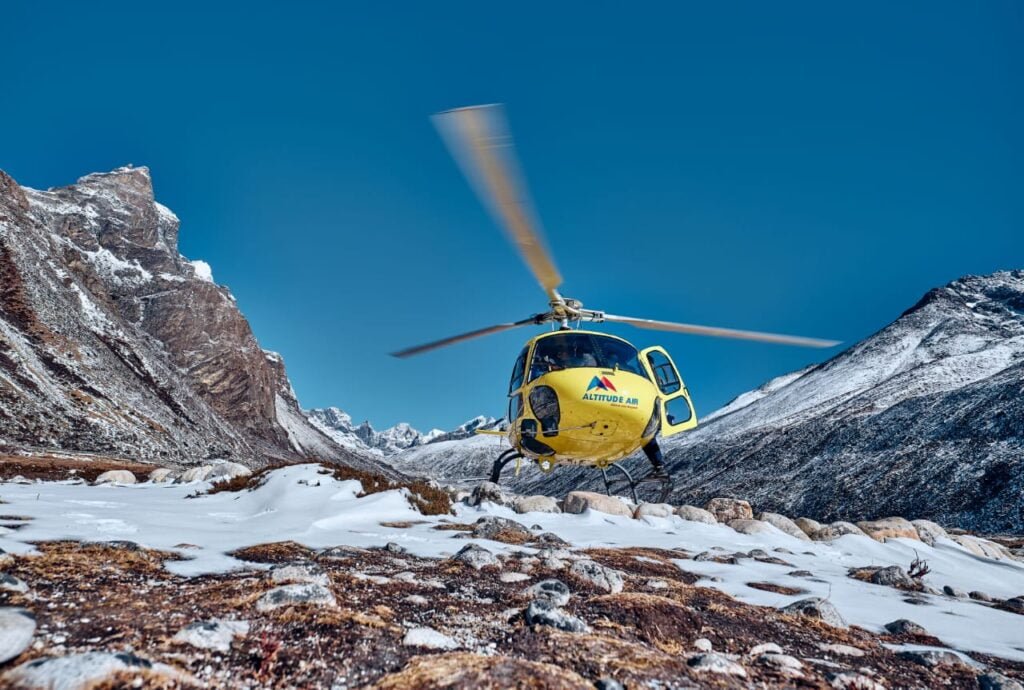
No matter the season or destination, there is always a chance of something going wrong while trekking in the mountains. Especially in remote areas, when accidents like injury, altitude sickness, or weather delay occurs, there may be a need to arrange helicopter services. This can cost you thousands of dollars if you don’t have proper travel insurance.
We strongly recommend you to purchase comprehensive travel insurance when you book your trek. Verify that it covers trekking up to the maximum altitude that your trek covers (5,000m+ for Everest Base Camp). Always carry a printed copy of your policy details. Consider this your most important gear, which ensures a safe travel without worries.
Mistake #7: Not Building in Buffer Days / Rushing the Itinerary
First-time visitors often tend to squeeze too much in, generally preferring a few days in Kathmandu, a rushed trek, and a quick flight home. This can be risky as factors like delayed flights, unexpected foul weather (which can happen especially more in high altitudes), and fatigue affect the overall trek duration. These factors are not within our control and hence, rushing the itinerary is never good while planning your trek.
Building buffer days into your schedule is the best way to avoid this problem. Allow one extra day in Kathmandu after your trek. If you’re flying to Lukla for Everest Base Camp, expect delays and don’t book your international flight home too tightly. The journey in the mountains cannot be rushed.
Trekking in Nepal will provide you with peace and incredible vistas, as long as you prepare properly. Trekking with a licensed agency, like Outdoor Himalayan, helps a lot. Avoid these common mistakes, and your first experience in Nepal will definitely be unforgettable.
10 Essential Tips for First-Time Trekkers in Nepal (Packing, Permits & Preparation)
You’ve chosen your trek. You’ve learned from others’ mistakes. Now comes the practical part- the details that matter before you tighten your laces and start walking.
These ten tips come from folks who’ve walked Nepal’s paths for years- guides who know these trails like their own neighborhoods, travelers who wish someone had told them sooner. Their lessons shape each point you’ll find here.
1. Start Training, Without Overdoing It
Fitness matters when you trek in Nepal, but you don’t have to be an athlete. Endurance and comfortable feet during the trek are what you need.
Walking regularly in the months ahead, particularly uphill or on stairs, helps a lot. When you can handle 5-6 hours on foot with a light pack, fitness won’t be an issue. Focus on building stamina, as it matters more than speed. Also, wear your trekking boots enough to break them in. Nothing causes avoidable pain like blisters do out there.
2. Pack Layers, Not Bulk
The temperature on a single trek can swing dramatically. Mornings are cold, afternoons are warm, and evenings cool down again. There might be wind or rain, and you also need flexibility.
What to pack: A layering system always works best. Start with clothing that pulls sweat away from your skin as a base. Next, include something insulating mid-layer, like fleece or lightweight down, to hold heat. On top, bring a jacket that blocks rain, snow, or cold winds. Toss in a warm hat, gloves, and a buff or scarf. Cotton soaks up moisture, stays wet and chills you, so skip it entirely.
High up on trails such as Everest Base Camp or Annapurna Base Camp, you’ll need a proper down jacket. Even in spring or autumn, nights at higher elevations drop below freezing.
3. Invest in Good Footwear
Your feet will carry you every step of the way. Skipping details won’t help here. What matters is sturdy, broken in, waterproof trekking boots with good ankle support. A pair of comfortable camp shoes (sandals or lightweight trainers) for teahouse evenings. Moisture-stealing wool or synthetic socks work very well.
A note on shoes: What works for others may not work for you. Stop by a real outdoors store, test multiple styles, and walk around in them before deciding.
4. Understand the Permit System
Permits are needed for trekking in Nepal. This isn’t complicated, just make sure you organize ahead.
What you’ll need: You’ll need to grab a TIMS (Trekkers’ Information Management System) card and national park entry permit before hitting most trails. For treks like Annapurna Base Camp or Mardi Himal, you’ll need the Annapurna Conservation Area Permit (ACAP). And Everest Base Camp requires the Sagarmatha National Park. You’ll need to get the permits accordingly when you head into any protected zones.
How to get them: If you’re trekking with a guide or agency, they typically handle this for you. But if you’re travelling solo, then head to the Nepal Tourism Board office in either Kathmandu or Pokhara. Hold on to the documents at all times on your trek, as there are trail checkpoints along the trail.
5. Decide on a Guide or Porter
Something people often ask is: do I need a guide? The answer depends on your comfort level, experience, and the trek you’ve chosen.
For easier treks (Poon Hill, Royal Trek): Many trekkers go independently. The trails are well-marked, and you’ll find plenty of teahouses here.
For moderate to challenging treks (Annapurna Base Camp, Langtang, and Everest Base Camp): A guide makes things smoother for these treks. They take care of permits, logistics, set a safe rhythm, and provide cultural context. Plus, you’ll be supporting local livelihoods.
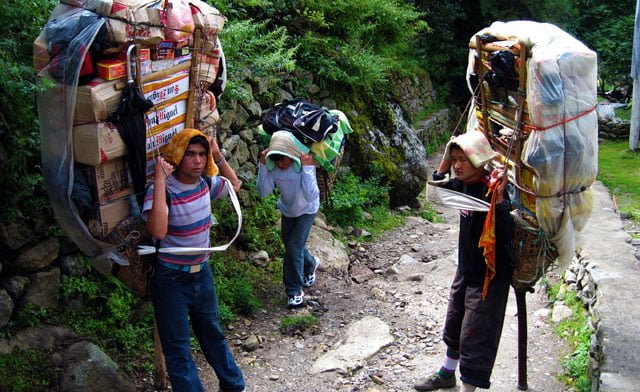
If you hire a porter: Please treat them with respect. Carrying near 20kg, they push through tough conditions without complaint. Agree on a reasonable daily wage beforehand, and a tip at the end of the trek is expected and deserved. Even a small respectful action means much more to them.
6. Prepare for Teahouse Life
Teahouses are part of what makes trekking in Nepal so accessible. But these aren’t like the hotels.
What to expect: Rooms are basic, with two beds, most times a shared bathroom, usually a single light bulb. Afternoon showers tend to have warmth since they rely on solar power. Wi-Fi is available at several lodges, though it comes at a price and works best in lower elevations.
What to bring: A sleeping bag (teahouse blankets are available), earplugs since walls let through sound easily, a headlamp if power outages happens, and a reusable water bottle with purification tablets or a filter.
One more thing: Meals at teahouses aren’t quick. Get your order in ahead and wait without rushing. Evenings tend to shine brightest at dinner- strangers on trails swapping tales across steaming plates of dal bhat.
7. Respect Altitude
While heading into thin air, your body might just refuse to cope. No amount of fitness or determination changes how your body responds.
The golden rules: Move up step by step. Aim to drink three or four liters each day. Food keeps you strong; eat well even when hunger fades. Always listen to your body.
The most important rule: If you experience persistent headache, nausea, or dizziness, stop ascending. Halt your climb and tell your guide immediately. If symptoms worsen, start descending; the mountains aren’t going anywhere.
For treks above 3,500m, build acclimatization days into your itinerary. On Everest Base Camp, an extra day in Namche Bazaar and another in Dingboche. These aren’t rest days- short hikes to higher elevations help your body adjust.
8. Carry Cash – ATMs Are Scarce
Here, most newcomers feel surprised. Step beyond Kathmandu or Pokhara and ATMs become rare. Higher up in the mountains, not a single machine in sight.
What to do: Withdraw enough Nepali rupees before you hit the mountains. Cash covers entry paperwork (when handled solo), teahouse accommodation, meals, snacks, Wi-Fi, hot showers, and charging devices. Tips for guides and porters are also paid in cash at the end.
A general guideline: budget NPR 2,500-3,500 per traveler per day for basic teahouse expenses, more if you’re ordering luxury items like beer or chocolate.
9. Stay Hydrated and Eat Well
High up, your body uses energy more quickly. Dehydration accelerates fatigue and mimics altitude symptoms.
What works: Start hydrating early. Aim for 3-4 liters of water daily. A refillable bottle helps when moving around. Drinking water is available at the teahouses at a cost. Or you can use a water purifier along the way.
What to eat: Besides being tasty, dal bhat gives steady energy through long hikes- lentils, rice, veggies packed into one bowl. Don’t skip breakfast or lunch just because you’re hungry. Your body needs fuel to acclimatize.
10. Travel Insurance Is Non-Negotiable
Worth saying again, this advice shows up two times here- because it matters that much.
What you need: A good travel insurance plan must include trekking protection for the altitudes you’ll reach. For Everest Base Camp, ensure your policy covers at least 5,500m. Look for coverage that includes helicopter evacuation, medical expenses, trip interruption, and baggage loss.
What to do: Right when you lock in your trek, get insurance sorted. Carry a printed copy of your policy and emergency contact numbers in your bag. Read the fine print- check what’s actually covered. Certain plans leave our extreme stuff unless extra is paid.
It’s an upfront cost you hope never to use. But when disaster shows up uninvited, it makes the difference between a manageable situation and a financial crisis.
A Final Thought
Walking in Nepal isn’t about conquering mountains. It’s moving across them- slowly, humbly, seeing clearly and feeling deeply. Landscapes are vast and stunning. Locals are hospitable and generous. Something lingers inside well beyond when your journey ends.
Prepare well and start ready. Walk steadily and let the mountains have a way of showing life’s true size and remind you how small your worries really are.
Ready to Book? Frequently Asked Questions about Trekking in Nepal
If you’re like most first-time trekkers and still have questions, here’s the FAQ section to give the details the brochures don’t.
Do I need a guide for my first trek?
For easier treks, such as Poon Hill, you do not need a guide- paths are clear and lodges pop up every few miles. For higher treks like Annapurna Base Camp or Everest Base Camp, it helps greatly to travel with a guide for safety, altitude management, and logistics. First-time solo trekkers benefit most from hiring a guide.
How fit do I need to be?
Comfortable walking 4-7 hours a day on uneven terrain, multiple days in a row. No extreme fitness required. Stair climbing and regular walking with a light pack in the months before departure will prepare you well.
Is altitude sickness dangerous?
It can be, but it’s manageable with respect and preparation. Ascend slowly (no more than 300-500m gain per day above 3,000m), drink 3-4 liters of water daily, and listen to your body. If you experience persistent headache, nausea, or dizziness, stop ascending. If symptoms worsen, descend immediately.
How much does a trek in Nepal cost?
A guided 10-day journey might cost you between $800 to $1,200, covering your permit fees, lodging, food, and transport. DIY treks may cost you $25 to $40 each day just for teahouse expenses. These estimates exclude international flights and tips.
What permits do I need?
Most treks require a TIMS card and a national park or conservation area permit. This is often handled by guides or an agency. If you’re travelling independently, you can find permits at Nepal Tourism Board offices in Kathmandu or Pokhara. Also, bring your passport and passport photos.
What should I pack for my first trek?
Focus on layers, not bulk. What you need most are: broken-in trekking boots, moisture-wicking base layers, fleece or down jacket, waterproof shell, trekking poles, headlamp, sleeping bag, reusable water bottle with purification, and basic first aid. A full packing list is covered in the Essential Tips section above.
Is it safe to trek alone in Nepal?
On popular routes, yes. But for first-time trekkers, solo trekking brings extra hurdles. Without someone nearby to help with decision-making, higher vulnerability to altitude missteps, and logistics can feel overwhelming. If you’re a first-time solo trekker, consider hiring a guide or joining a small group for safety and peace of mind.
What is teahouse trekking like?
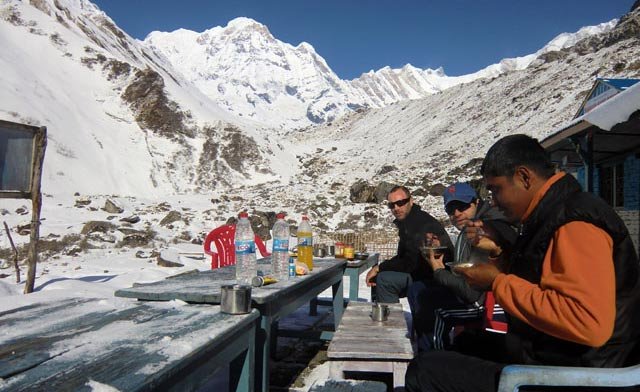
Walking between villages means sleeping in modest guesthouses with beds, warm meals, and communal dining areas. You can expect basic but clean rooms, solar-powered hot water, and Wi-fi that costs extra. It’s comfortable, social, and part of what makes Nepal so accessible for beginners.
Do I need to tip my guide and porter?
Yes. Tipping is customary. Guides usually get between 10-15% of the total trip cost or $10-15 per day for shorter treks. For porters, $5-10 per day. Tip in cash at the end of the trek, directly to the individual.
How do I get to the starting point?
For Annapurna treks: Bus or flight from Kathmandu to Pokhara (6-7 hours by road, 25 minutes by air), then a short drive to the trailhead.
For Everest Base Camp: Flight from Kathmandu to Lukla (30 minutes). Allow buffer days for weather-related delays.
For Langtang/Helambu: Drive from Kathmandu to Syabrubesi or Sundarijal (several hours by road).
Will I have phone signal and Wi-Fi?
Lower elevations have decent mobile coverage. Higher up, the signal becomes patchy. Wi-fi is available at most teahouses for an extra fee (NPR 200-500 per day), but speeds are slow. Download maps, books, and music before leaving Kathmandu.
What if I get sick or injured on the trail?
Your guide will know what to do. For minor issues, carry a basic first aid kit with blister care and personal medications. For serious emergencies, helicopter evacuation is the standard response, which is why travel insurance covering high-altitude trekking is essential.
Is the Everest Base Camp trek worth it for beginners?
Yes, with proper preparation. The trek is challenging because of the high altitude and the nerve-wrecking Lukla flight, yet many newcomers still make it each year. You’ll need a solid 12-day window, along with decent fitness, respect for altitude, and insurance covering 5,500m+. If you’re willing to walk slowly and listen to your body, it’s absolutely achievable.
What should I know about Nepali culture before I go?
A bit of kindness goes a long way. Folks in Nepal tend to welcome guests with open arms and are accustomed to visitors. So you don’t need to become an expert; what matters most is that you come with respect.
A few simple gestures mean a lot here, like greeting with Namaste (palms together, slight bow). Walk clockwise around stupas and religious monuments. Ask permission before photographing people. Dress modestly in villages and religious sites.
Few things matter more than getting the small details correct. Whatever you do, the warmth people show feels like a gift that stays with you.
What if I’m not fit enough or something goes wrong?
It’s completely normal to feel nervous. Almost every first-time trekker asks this before they go.
You don’t need to be an athlete. You just need to know the basics- walk slowly and steadily, one day at a time. Experienced guides know how to keep you safe and pace you properly for altitude. And your body is stronger than you give it credit for.
Having an expert guide you for the entire trek makes everything a lot easier. Our team at Outdoor Himalayan Treks specializes in guiding first-time trekkers through the Himalayas- handling permits, logistics, and pacing so you can focus entirely on your experience. But whether you join us or head out independently, know this: you’ve done the research, you’ve prepared, and you’re ready.