Annapurna Trek Safety Guide: Essential Tips for a Secure Himalayan Journey
20 Jan 2026 20 min to read
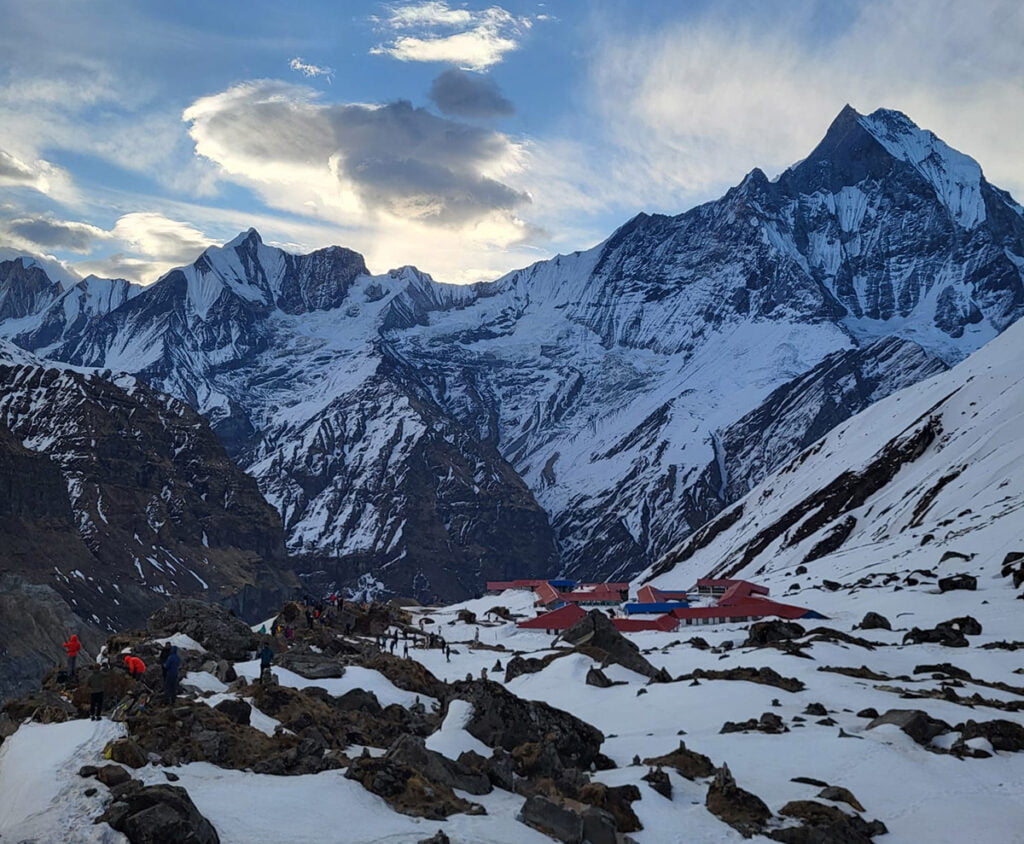
Planning a trek in the Annapurna region? This is the perfect place to get all the essentials like altitude guidelines and other useful advice on how to prepare for a smooth trek in 2026.
Introduction
The Annapurna region is one of Nepal’s most diverse and celebrated trekking destinations, drawing travelers from around the world. The majestic mountain views, rich culture, and various trekking routes makes Annapurna region a classic. Popular destinations like the Annapurna Base Camp to shorter treks like Sikles Trek, the region is suitable for both first-time trekkers and seasoned Himalayan explorers. With availability of well-developed trails, teahouses, and strong hospitality, Annapurna is one of the most accessible trekking regions in the Himalayas.
Trekking in the Annapurna region requires careful safety planning as the region passes through varying altitudes, climates, and terrain. Because of frequent and unpredictable weather changes, high altitude and remote locations with limited medical facilities, you need to keep these in mind while planning your trek. This safety guide brings together practical, experience-based advice to help you prepare for a safe trekking in the Annapurna region.
Why Safety Matters in the Annapurna Region
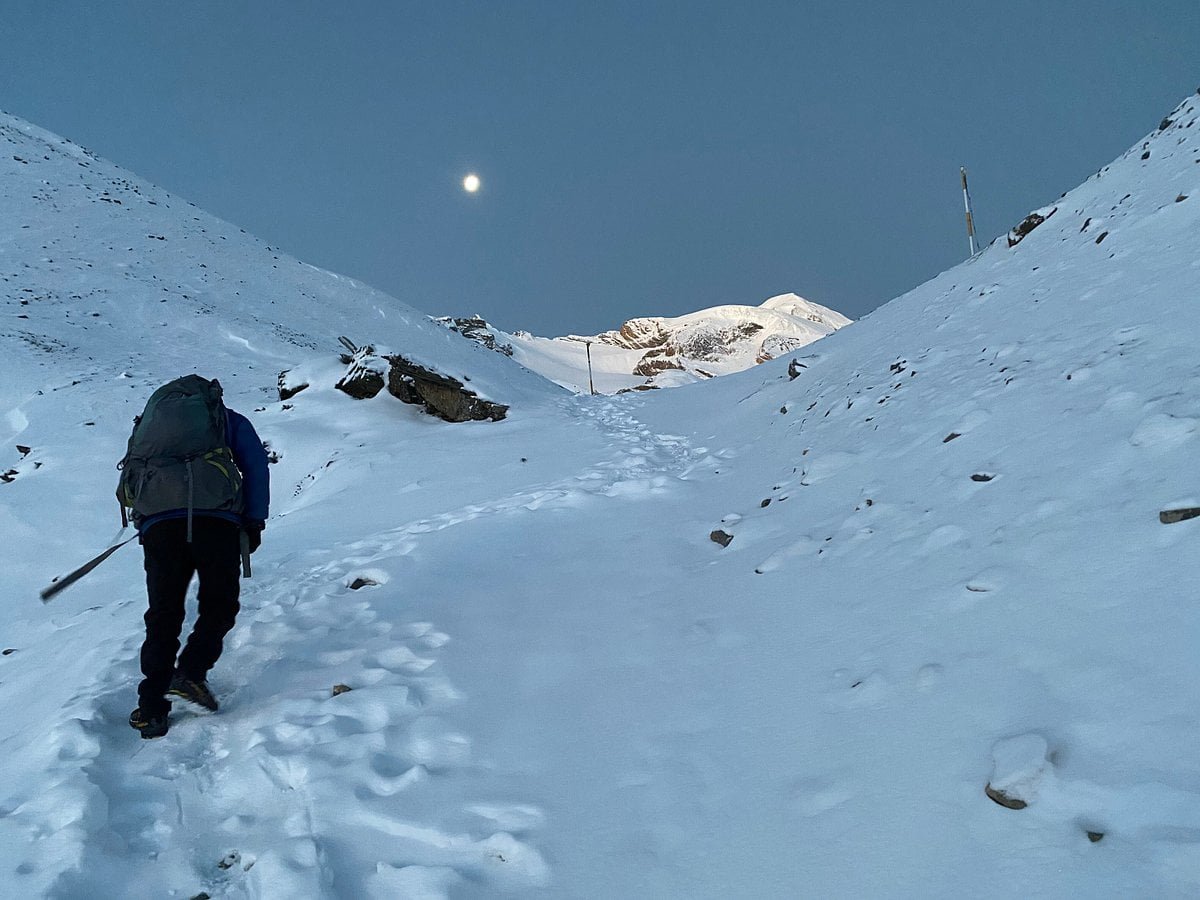
Trekking in the Annapurna region demands a good safety preparation due to its wide range of altitudes, changing weather, and varied terrain. Trekkers might have to quickly shift from low valleys to high mountain areas like Thorong La Pass. Plus remote sections of Annapurna Circuit, Nar Phu Valley, or Upper Mustang access routes, medical facilities and rescue support can be limited or delayed.
Even popular treks like Annapurna Base Camp require proper acclimatization, pacing, and awareness of health symptoms. Prioritizing safety while keeping things like altitude-related issues and route conditions is very important. This safety guide has all the essentials with the right precautions and other necessary things to look out for, like permits, to help you plan a safe and smooth trek to the Annapurna region.
Understanding the Annapurna Region: Terrain, Altitude, and Trek Variations
The Annapurna region is diverse, offering everything from subtropical forests and river valleys to high alpine landscapes and snow-covered mountain passes. Trek altitude range from around 800 m in the lower foothills to over 5,400 m at Thorong La Pass, making altitude awareness and gradual ascent essential for safety.
Trek variations suit different experience levels. Popular ones like Ghorepani Poon Hill are moderate and well-established, while longer treks such as the Annapurna Circuit or side trips to Tilicho Lake involve higher elevations, remote sections and more demanding conditions. Choosing the right route and pacing yourself properly after understanding these terrain and altitude differences helps you have a safe and memorable trek.
If you want to see all available routes, you can explore more of our treks in the Annapurna region.
Altitude Risks and Acclimatization in the Annapurna Region
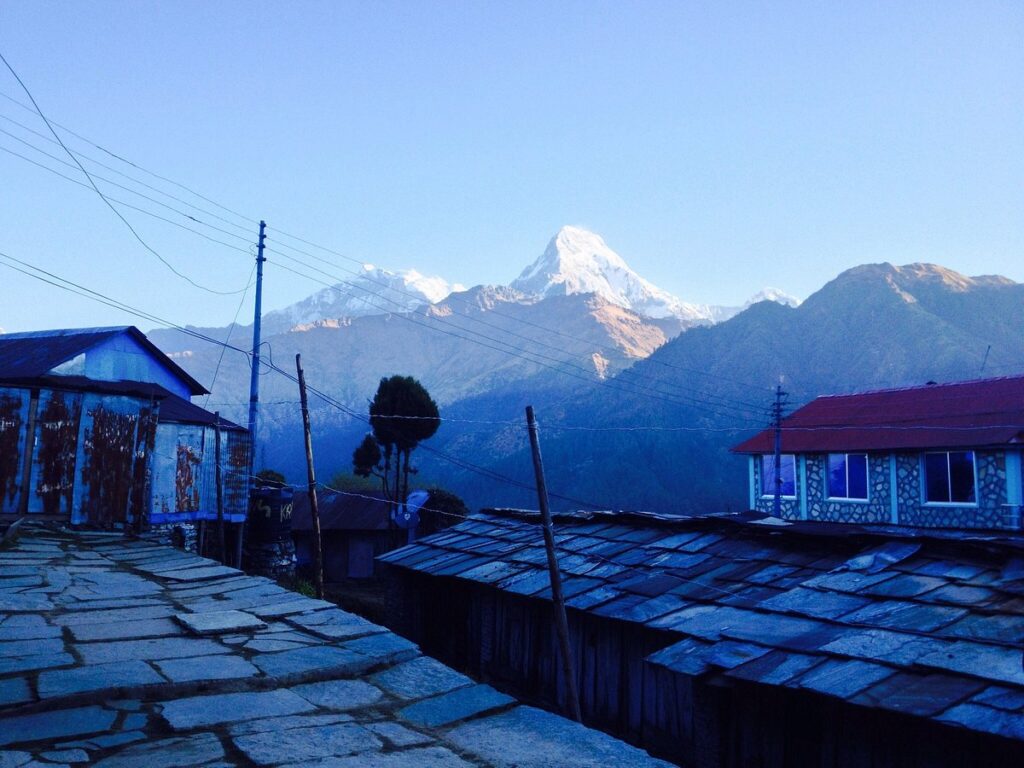
No matter where you trek in the Himalayas, altitude is one of the key safety concerns. Especially in the Annapurna routes that exceed 3,000 m such as the Annapurna Circuit, Annapurna Base Camp, and Tilicho Lake. Rise in elevation causes the oxygen level to drop, increasing the risk of Acute Mountain Sickness (AMS), which affects trekkers regardless of age or fitness.
Common Symptoms of Altitude Sickness
- Consistent headache.
- Nausea
- Dizziness and uneasiness while doing simple tasks.
- Insomnia and loss of appetite.
- In extreme situations, unconsciousness and hallucinations may occur.
Informing the guide is the best thing to do if you experience any of these symptoms.
Prevention for Altitude Sickness
- Take acclimatization rest between trekking days so that your body can adjust to the high altitude.
- Avoid rushing. Climb slowly and gradually.
- Understand your body’s signals and limit. Rest whenever you need.
- Take complete rest and sleep for better acclimatization.
- Avoid alcoholic drinks and salty foods as they are bad for dehydration and fluid retention.
- Keep yourself hydrated to avoid worsening the chance of AMS due to dehydration.
- Immediately inform your guide as soon as you feel any discomfort or encounter any of the symptoms mentioned above. Take appropriate medicine after consulting your guide.
Proper acclimatization is essential for safe trekking in the Annapurna region. Ascend gradually, add rest days in places like Manang or Deurali while staying hydrated and maintaining steady pace allows your body to adapt naturally.
If the symptoms persist or worsen, descend to a lower altitude and medical help if needed. Hence, hiring a licensed guide from a reputed agency improves your chance of experiencing a safe and enjoyable trek to a great extent.
Weather Conditions and Seasonal Safety in Annapurna
Understanding the weather in the Annapurna region helps to plan a safe trek more efficiently. Due to varied altitude and terrain of the Annapurna region, its weather changes quickly. Conditions can shift from warm valleys to cold, windy mountain passes within the same day, especially on routes like the Annapurna Circuit and Thorong La Pass.
Here is the seasonal overview of the Annapurna region to help you plan your trek in the right time.
Seasonal overview for safe trekking:
Spring (March to May): One of the safest and most popular seasons because of stable weather, clear views, and blooming rhododendrons.
Autumn (September to November): Best overall trekking season with dry trails, excellent visibility, and reliable conditions.
Monsoon (June to August): Heavy rain at lower elevations increases landslide and leech risks, while high passes may have a cloud cover.
Winter (December to February): Cold temperatures and snowfall can close high passes like Thorong La, requiring extra caution and flexibility.
There are several problem you could encounter if you don’t keep the weather changes in mind. Hence, you should include checking forecast regularly, carrying right layers, and planning buffer days in the planning to make sure you have a safe trekking experience in the Annapurna.
Packing Essentials for a Safe Annapurna Trek
Packing the right gear is one of the most important thing to do before embarking on the trek to Annapurna region. Ensure you have packed everything, from right clothing to basic first-aid essentials.
We have made a list to help you remember all the necessities for your trek:
Clothing
Layered clothing is a must for trekking in the cold region of Annapurna.
Clothes: Thermals, warm inner garments, long sleeve shirts, windcheater jacket, trousers, fleece, gloves, trekking pants, insulating down jacket, balaclava, shorts, bandana, socks, gaiters, towels. Also, pack waterproof jackets and pants or raincoats for humid weather.
Footwear: Well-broken-in trekking boots with good ankle support, rubber sandals, and camp shoes.
Accessories: Sunglasses with UV protection, sunscreen and sun hats are some good additions.
Gears and Equipment
Gears: Ropes, Crampons, Ice-claw, Ice Ax, Micro spikes (optional), and Harness.
Equipment: Warm sleeping bag, duffel bags, trekking poles, map, extra batteries.
First-Aid
A basic first-aid kit is a necessity when trekking to the Annapurna region. Even though you’ll find heath posts in some places, carrying a well-prepared first-aid kit never goes wrong. Here is a checklist to help you prepare a good first-aid kit:
- Personal prescriptions
- Altitude sickness medications (e.g., Diamox)
- Pain relievers and blister care supplies
- Antibacterial ointment
- Bandages and antiseptic wipes
- Rehydration salts and electrolytes
- Moleskin/Second skin (for blister prevention and treatment)
- Small thermometer, antibiotic ointment & antihistamines
Learning first-aid and early signs of altitude sickness is very important before going on the trek in order to make better decisions at any situation. No matter where you decide to trek, you should always carry a first-aid kit.
Licensed guides are knowledgeable in this area as well and are prepared for emergencies. Hence we recommend you to hire a certified guide from a reputed agency like us to have a safe trekking experience.
Trail Conditions and Natural Hazards
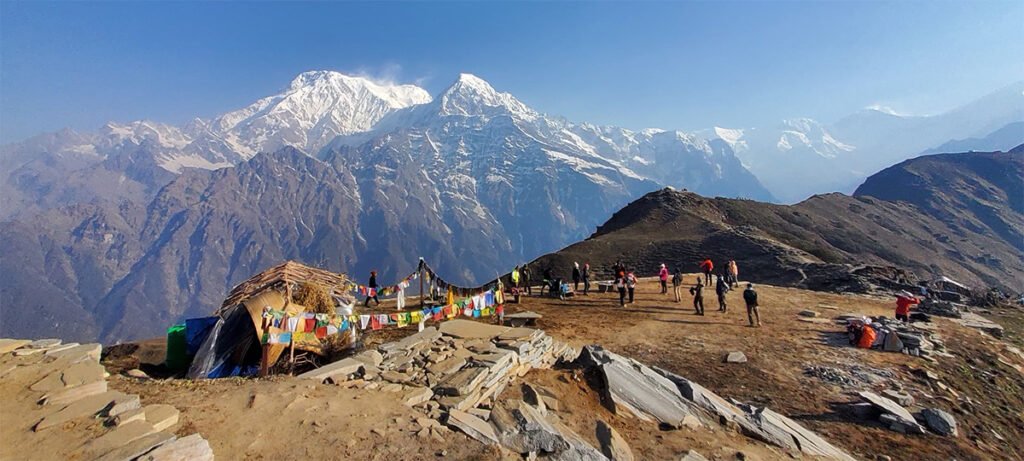
Trail conditions in the Annapurna region vary widely depending on altitude, season, and trekking route, making awareness of natural hazards an important part of trek safety. While popular trails like Mardi Himal are well established, conditions can still change quickly.
Key safety factors to consider:
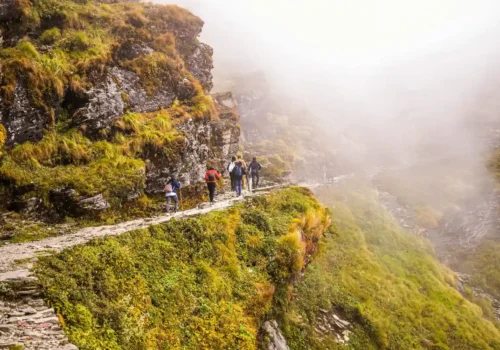
- Steep and uneven trails: Stone staircases, narrow paths, and loose gravel are common, especially between Chhomrong, Bamboo, and Deurali.
- Landslide-prone areas: During monsoon season, sections near Tatopani, Dana, and the Modi Khola valley require extra caution.
- Snow and ice ate high passes: Thorong La Pass (5,416 m) can have heavy snow and strong winds, particularly in winter and early spring.
- River crossings: Suspension bridges and seasonal streams may become slippery or swollen after rainfall.
- Rockfall zones: Some exposed sections along Cliffside trails demand careful footing and attention.
Trekking with proper footwear, using trekking poles, monitoring weather conditions, and following local guidance significantly reduce risks and help ensure a safe journey through the Annapurna region.
Health Facilities, Emergency Services, and Rescue Options in Annapurna Region
The Annapurna region is one of Nepal’s best-supported trekking areas in terms of health facilities and emergency response, but access still becomes limited as you gain altitude. Understanding where help is available is essential for safe trekking.
Health posts and clinics: You can find basic medical facilities in key trekking hubs such as Ghandruk, Chhomrong, Manang, Jomsom, and Ghorepani. These health posts can treat minor illnesses, injuries, and provide initial care for altitude-related symptoms.
Manang Himalayan Rescue Association (HRA) Aid Post: In the Manang village, it acts as a vital resource for trekkers on the Annapurna Circuit, offering altitude sickness consultations, first aid, and emergency advice.
You can explore the Himalayan Rescue Association page for contact details and more information.
Hospitals in lower regions: Larger medical facilities are accessible in Pokhara, which serves as the main emergency and evacuation hub for the Annapurna region.
Emergency evacuation: In serious cases such as severe AMS, injuries, or sudden illness, helicopter rescue services are available, which largely depends upon the weather. Evacuations generally require valid travel insurance that covers high-altitude trekking and helicopter evacuation.
Communication and coordination: Local guides, lodges, and trekking agencies help coordinate rescue efforts using mobile networks and satellite phones in areas with limited coverage.
While Annapurna region has comparatively good emergency infrastructure, timely response depends on weather, terrain, and location. Trekking with a licensed guide, proper insurance, and a clear emergency plan greatly improves safety and peace of mind.
Required Permits and Regulations for Annapurna Treks
All trekkers are required to have specific permits before starting their journey in the Annapurna region. These are regulated by the government of Nepal in order to ensure safety, manage tourism, and support conservation and local communities.
Here are the details about the necessary permits for Annapurna trek:
- Annapurna Conservation Area Permit (ACAP): mandatory for all Annapurna treks, including Annapurna Base Camp, Annapurna Circuit, Ghorepani Poon Hill, and Upper Mustang. This is the main permit required for trekking in all routes of Annapurna region.
- Special permits for restricted areas: Trekkers need to have additional restricted-area permits for places like Upper Mustang due to cultural and environmental sensitivity.
- TIMS Card (Trekkers’ Information Management System) issued by a licensed trekking guide is required to trek in the Annapurna region.
The permits are checked at multiple points along Annapurna trails, including Besisahar, Ghorepani, Chhomrong, and Jomsom, so we advise you to carry both digital and printed copies.
Securing the correct permits before your trek avoids delays and fines and ensures you are trekking legally and responsibly in the Annapurna region. Working with an experienced trekking agency simplifies the process and makes sure all regulations are properly followed. Licensed agencies help you arrange all the necessary permits and documents to help you have a smooth and hassle-free trekking experience.
For more information about the required permits, check the latest guidelines through official sources like Nepal Tourism Board (NTB).
Hiring a Licensed Guide and Porter: How They Improve Safety
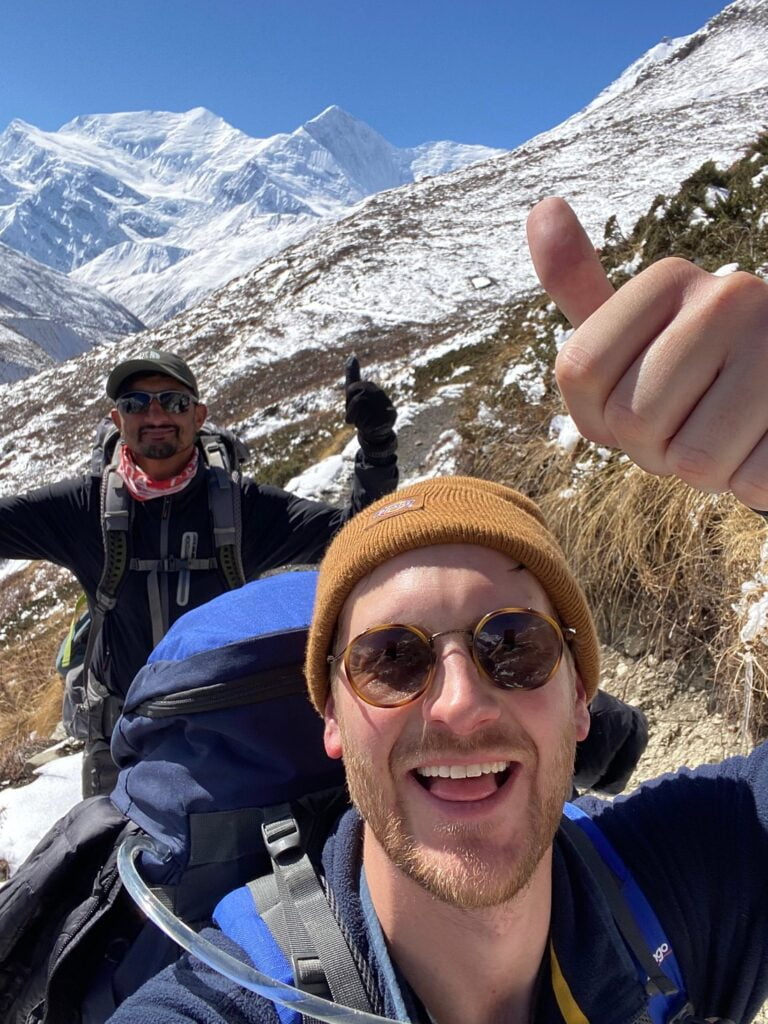
Hiring a licensed guide is mandatory to trek in the Annapurna region. Besides, licensed guide and porter significantly improve trekking safety while making your journey more comfortable and enjoyable. With the region’s varied terrain and changing weather, local expertise matters a lot.
- Route knowledge and navigation: Licensed guides are knowledgeable about the diverse trails of Annapurna region, from busy routes like Annapurna Base Camp to remote sections of the Annapurna Circuit, reducing the risk of getting lost or taking unsafe paths.
- Altitude sickness awareness: Experienced guides are trained to recognize early signs of AMS and adjust pace, rest days, or plans to prevent serious health risks.
- Emergency response and coordination: Guides know how to access local health posts, rescue services, and helicopter evacuation procedures, helping you act quickly in emergencies.
- Weather and trail safety decisions: Local guides help monitor the weather changes, landslide-prone areas, and seasonal hazards, and manage the suitable plan.
- Reduced physical strain: Porters help carry heavy gear, allowing trekkers to fully focus on enjoying the trek while saving energy, lowering the risk of fatigue-related injuries.
- Cultural and regulatory guidance: Guides also help trekkers to understand the local customs and learn more about the village rules while ensuring all permits and checkpoints are handled correctly.
Travelling with licensed guides and porters not only enhances safety but also supports local livelihoods, making your Annapurna trek both responsible and secure.
Food, Water and Accommodation Safety on the Trail
Food, water, and accommodation safety is an essential thing to take care of while planning a safe trek in the Annapurna region. Most routes in this region are well-supported, but conditions can vary by altitude, season, and area.
Food safety: Teahouses along popular trails like Annapurna Base Camp, Poon Hill, and the Annapurna Circuit serve freshly cooked meals. Avoid raw or undercooked items and choose only hot, freshly prepared food at higher elevations. Limit meat consumption above 3,000 where storage is limited.
Safe drinking water: Staying properly hydrated is important to reduce the risk of altitude sickness. Clean water is easily available during the Annapurna trek. You can buy Mineral Water, which may cost about USD 2-4 per bottle, or fill boiled water at teahouses. Never drink untreated tap or stream water. Use water purification tablets, filters, or UV purifiers for safety. Always carry a reusable water bottle to reduce the plastic waste.
Accommodation standards: Teahouses and lodges in villages like Ghorepani, Chhomrong, Manang, and Jomsom offer simple but comfortable rooms with twin beds, warm blankets, and a cozy dining hall.
Hygiene awareness: Wash hands regularly or use sanitizer before meals. Simple hygiene practices greatly reduce the risk of stomach illness on multi-day treks.
Seasonal considerations: During peak seasons, we advise you to book lodges in advance to avoid overcrowding. In winter, choose well-maintained lodges to avoid damp conditions.
By choosing a well-established tour agency, you won’t have to worry about all these things. They help you pick out best accommodation, clean food and water, and necessary advice on hygiene so that you can have a smooth trekking experience in the Annapurna region.
Physical Fitness and Mental Preparation for Annapurna Treks
Proper physical fitness and mental preparation play a major role in your safety and overall success on the Annapurna trek. Although Annapurna region provides different routes for various experience levels, trekkers should still work on their endurance, adaptability, and a positive mindset to have a successful trekking experience.
You should work on these main areas:
Build trekking fitness: We recommend cardio activities like walking, cycling, or stair climbing at least 4-6 weeks before the trek. Strengthening your legs, core, and back helps you handle long ascent and descents.
Train for altitude and long days: Practice walking for several hours with a light backpack to prepare your body for daily trekking distances. This also helps reduce fatigue at higher elevations.
Mental readiness: Weather changes, simple accommodations, and slow walking pace can be challenging. Practice staying flexible, patient, and mentally prepare yourself which helps you cope better with unexpected conditions.
Know your limits: Trek at a steady pace, take regular breaks, and communicate openly if you feel unwell or need rest. Listen to your body to prevent injuries and altitude-related issues.
Confidence through planning: Learn about the route, daily distances. And safety guidelines before you start to boost confidence and reduce stress on the trail.
A good preparation allows you to enjoy a nice trek in the Annapurna region with diverse landscapes and culture safely from beginning to end.
Responsible Trekking and Respect for Local Communities
Annapurna region gives you so much incredible experiences no matter which route you choose. Therefore it is everyone’s responsibility to respect it and practice responsible trekking to contribute in protecting fragile mountain environment. This also supports the local communities who make trekking there possible.
- Respect local culture and traditions: Learn about cultural sensitivity and dress modestly in villages, monasteries, and religious sites. Always ask before taking photos of people or sacred places.
- Support local communities: Stay in locally run teahouses, eat local food, and hire local licensed guide and porter. This ensures tourism benefits villages along trails like Ghorepani, Manang, and Ghandruk.
- Protect the environment: Carry out all non-biodegradable waste, avoid single-use plastics, and use refillable water bottles whenever possible.
- Stay on marked trails: Cutting trails damages vegetation and increases soil erosion, especially in sensitive areas within the Annapurna Conservation Area (ACA).
- Respect wildlife and nature: Observe the wildlife from a distance. Do not try to interact with them (which includes feeding them) and avoid disturbing forests and alpine meadows.
- Use resources responsibly: Conserve water and electricity in villages, as most of them rely on limited solar or hydropower systems. Save water and avoid unnecessary firewood use for a sustainable trek.
- Promote sustainable travel: Participate in sustainable trekking and encourage others to do the same.
By practicing responsible trekking, you help preserve the Annapurna region’s natural beauty and cultural heritage while ensuring future trekkers and local communities can continue to benefit from sustainable mountain tourism. Plus, you also gain the feeling of pride for contributing to both environmental conservation and community well-being.
Safety Tips for First-Time Trekkers in the Annapurna Region
The information we have provided is applicable for all trekkers, whether they are well-experienced or first-timers. In this section, we have focused on some important things to consider, especially for first-time trekkers. You can always learn about them in details from above.
Keep these essential safety tips in mind:
- Ascend slowly and acclimatize properly, especially above 3,000 m, to reduce the risk of altitude sickness.
- Check weather forecasts daily and be flexible with your itinerary, as mountain conditions can change quickly.
- Stay hydrated and eat regularly to maintain energy level and help your body adapt to altitude.
- Wear proper trekking gear, including sturdy boots, layered clothing, and rain protection.
- Follow marked trails and local advice, particularly in areas prone to landslides or snow.
- Hire a licensed guide or porter, who can assist with navigation, health monitoring, and local support.
- Carry basic first-aid and emergency contacts, even on popular routes like Annapurna Base Camp or Ghorepani.
With the right preparation and awareness, first-time trekkers can enjoy a safe, comfortable, and memorable Annapurna trekking experience.
Frequently Asked Questions about Annapurna Trek Safety
Here are some of the most commonly asked questions and their answers about trek in the Annapurna region:
Is trekking in the Annapurna region safe?
Yes, trekking in the Annapurna region is generally safe when done with proper planning. Well-marked trails, established teahouses, and local health posts make it one of Nepal’s safest trekking areas.
What are the main safety risks while trekking in the Annapurna?
The main safety risks include altitude sickness above 3,000 m, unpredictable weather, landslides during monsoon, and fatigue from long walking days. These risks are manageable by trekking at a steady pace, planning rest days, and following local advice.
Do I need a guide for Annapurna region treks?
Yes. As per Nepal’s trekking regulations, a licensed guide is required for most treks in the Annapurna region. A guide improves safety by assisting with navigation, monitoring altitude-related symptoms, handling logistics, and providing support during emergencies.
What permits are required for trekking in Annapurna?
Trekkers need:
- Annapurna Conservation Area Permit (ACAP)
- TIMS Card (Trekker’s Information Management System) issued by a certified trekking agency.
How serious is altitude sickness in the Annapurna region?
Altitude sickness can affect anyone, even fit trekkers. Routes like Annapurna Circuit, Thorong La Pass, Tilicho Lake, and Annapurna Base Camp reach high elevations. Proper acclimatization, hydration, and gradual ascent are key to preventing serious altitude-related issues.
Are there medical facilities along Annapurna trekking routes?
Yes. Basic health posts and clinics are available in key villages such as Manang, Jomsom, and Lower Mustang. In serious cases, helicopter evacuation is available from many parts of the Annapurna region, if weather permits.
What is the best season for safe trekking in Annapurna?
The safest and most popular seasons are:
- Spring (March to May): Stable weather, clear views, blooming rhododendrons.
- Autumn (September to November): Dry trails, excellent visibility, cooler temperatures.
Winter and monsoon treks require extra preparation due to snow, cold or landslides.
Is food and drinking water safe during the trek?
Food served in teahouses is freshly prepared and generally safe. Trekkers should drink treated or boiled water and avoid untreated stream water. Carrying water purification tablets or a filter is strongly recommended for safety.
How physically fit do I need to be for Annapurna treks?
You don’t need to be an athlete, but good physical fitness definitely helps. Regular walking, cardio training, and strengthening exercises before the trek improve endurance and reduce injury risk. Mental preparedness and patience are equally important on longer trekking days.
What should I do in case of an emergency on the trek?
Always inform your guide immediately in case of emergency. Licensed guides are trained to handle emergencies, coordinate with local health posts, and arrange helicopter rescues if necessary. Travel insurance covering high-altitude trekking and evacuation is essential.
Is Annapurna suitable for first-time trekkers?
Yes. Routes like Ghorepani-Poon Hill and Annapurna Base Camp in the Annapurna region are popular with first-time trekkers due to good infrastructure and gradual ascents. Proper preparation and a guided trek make the experience safe and enjoyable.
Can I get personalized advice for trekking in the Annapurna region?
Yes. Trek routes, seasons, fitness levels, and safety needs vary from traveler to traveler. Speaking with an experienced trekking team can help you choose the safest routes, best season, and proper acclimatization plan.
If you need personalized guidance or itinerary planning, you can contact our team for expert support.
Final Takeaway: Trek Annapurna Safely and Confidently
The Annapurna region offers some of Nepal’s most diverse and rewarding trekking experiences, but safety should always come first. Proper acclimatization, weather awareness, responsible trekking, and local support play a key role in ensuring a smooth and enjoyable journey.
With the right preparation and guidance, you can trek Annapurna confidently while fully enjoying its landscapes, cultures, and mountain trails. If you have questions or would like expert help planning a safe Annapurna trek, feel free to contact team of Outdoor Himalayan for trusted advice and personalized support.
Updated On: 5 Aug 2026