Langtang Trek Safety Guide 2026: Essential Tips for a Safe Himalayan Journey
16 Jan 2026 19 min to read
Planning to trek to the Langtang valley? Learn essential safety tips, altitude risks, weather preparation, and expert advice for a safe trek.
Introduction: Langtang Valley Trek Safety Guide
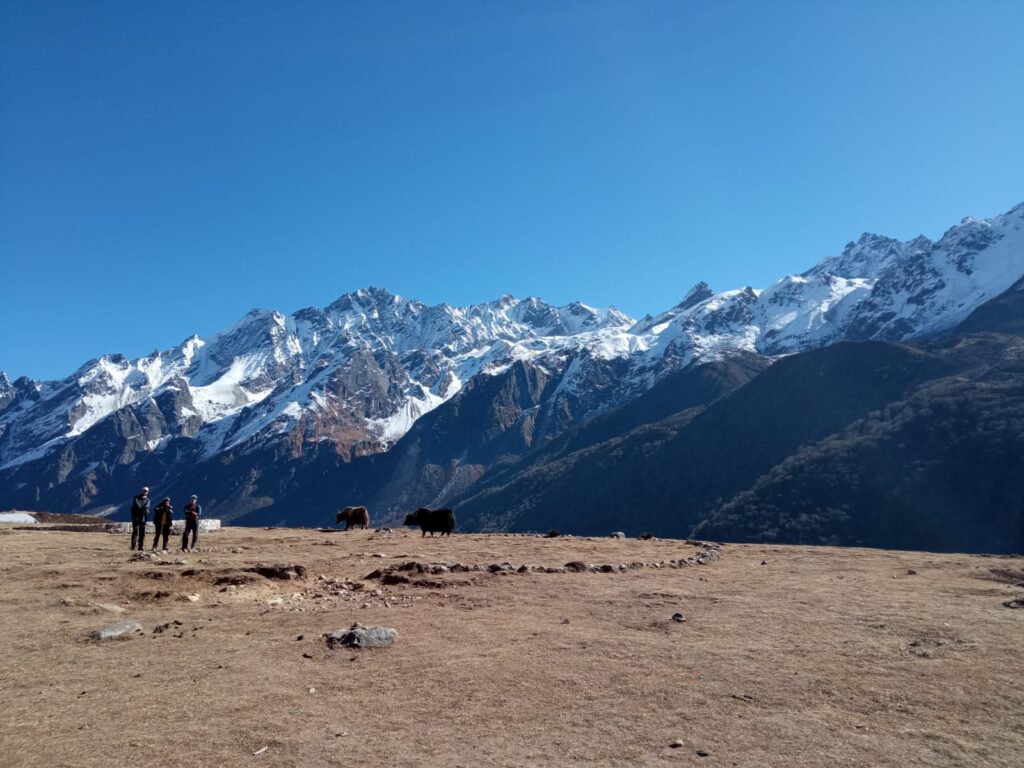
The Langtang Valley Trek is one of Nepal’s most accessible Himalayan journeys, known for its alpine scenery, Tamang culture, and proximity to Kathmandu. This trek takes you through rhododendron forests with beautiful scenery to altitudes up to 4,984m. Although the trek to the Langtang region is considered moderate, there are several challenges to keep in mind for every traveler planning to go there.
Altitude sickness (AMS), unpredictable weather, remote sections, and limited medical facilities are some of the major risks to consider. Understanding these risks and preparing properly contributes a lot to trekking successfully in the beautiful landscape of the Langtang region.
In this guide, we have covered real advice from seasoned trekkers, along with other trusted resources to help you plan a successful trek to the beautiful region of Langtang. This also includes all the other necessary details like required permits, acclimatization information, and even some rules to be followed during the trek. With good planning, you can navigate the challenges safely and successfully complete the trek.
Why Safety Matters on the Langtang Trek
Staying safe should be your highest priority while trekking anywhere. Even though the Langtang route is considered moderate and relatively accessible from Kathmandu, it still takes you above the elevation of 3,800 meters. This makes attention to altitude sickness (AMS) and proper acclimatization the utmost priority. Frequent and unpredictable weather changes not only obstruct the beautiful view, it also impact your trail safety.
The Langtang Valley passes through remote mountain terrain, hence it has limited medical facilities and rescue infrastructures. With challenges like these, staying informed, following established trails, and trekking responsibly are very important. In this blog, we have talked about these challenges as well as methods to prepare yourself so that you can plan an educated and safe trek in the beautiful region of Langtang.
Altitude Risks and Acclimatization in Langtang Region
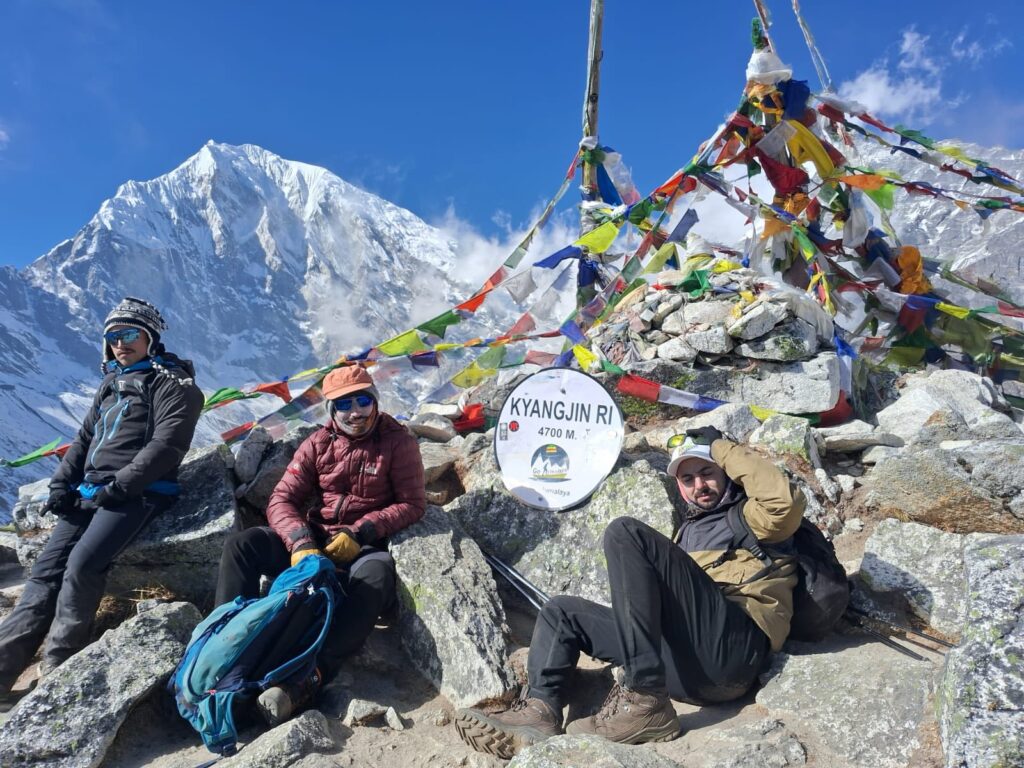
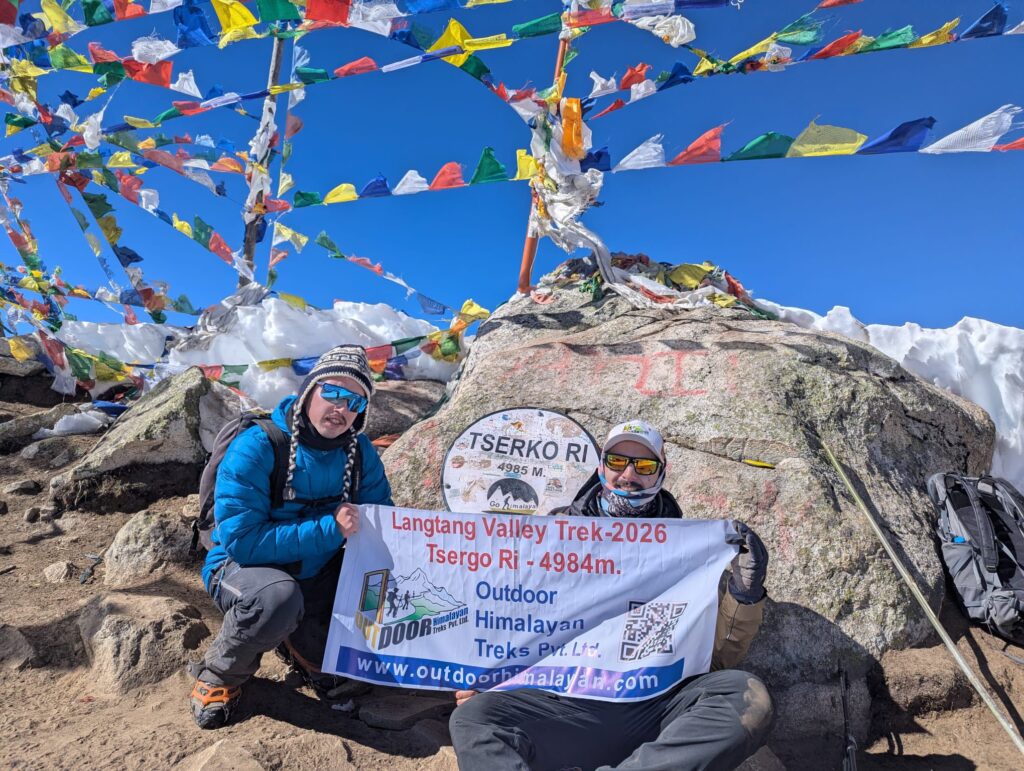
Altitude sickness is considered the most common yet deadly challenge while trekking to high-altitude terrain. Langtang is no different when it comes to that, as it takes you to high elevation, whether it is Kyanjin Gompa at 3,800 m or Tseriko Ri at 4,984 m. Recognizing the early symptoms of AMS is very important for maintaining safety during the trek.
Here are the most common symptoms of AMS:
- First indicator of AMS is a headache that doesn’t seem to subside.
- Most people experience nausea as the early symptoms of AMS.
- AMS causes you to feel dizzy and uneasiness even while doing simple task.
- Insomnia and loss of appetite are other common symptoms.
- In extreme situations, people may experience unconsciousness and hallucinations when immediate attention is required.
Upon noticing these symptoms, you should inform your guide. To avoid these situations, there are certain measures you have to take during your trek. The priority is acclimatization and following the “Climb high, sleep low” strategy. There are other prevention methods, which are listed below:
Some Prevention Measures for Altitude Sickness
- Let your body adjust to the high altitude by taking acclimatization rest between trek days.
- Don’t rush while climbing. Do it slowly and gradually to help yourself adapt.
- Avoid dehydration, as it just worsens the AMS symptoms. Always keep yourself hydrated.
- Alcohol and salty foods make dehydration and fluid retention worse. Avoid them at high altitudes.
- Listen to your body. Rest when you need it and push yourself only according to your body’s limit.
- Proper rest and sleep have utmost importance for acclimatization.
- When you feel any discomfort or encounter any of the symptoms mentioned above, inform the guide immediately. Take appropriate medicine after consultation with your guide.
If it feels like the symptoms are persisting or worsening, tell your guide and descend to a lower altitude and seek medical help accordingly.
For more altitude and health-related information and support related to AMS or extended trekking safety, you can check out the Himalayan Rescue Organization’s page.
Weather Conditions and Seasonal Safety in Langtang
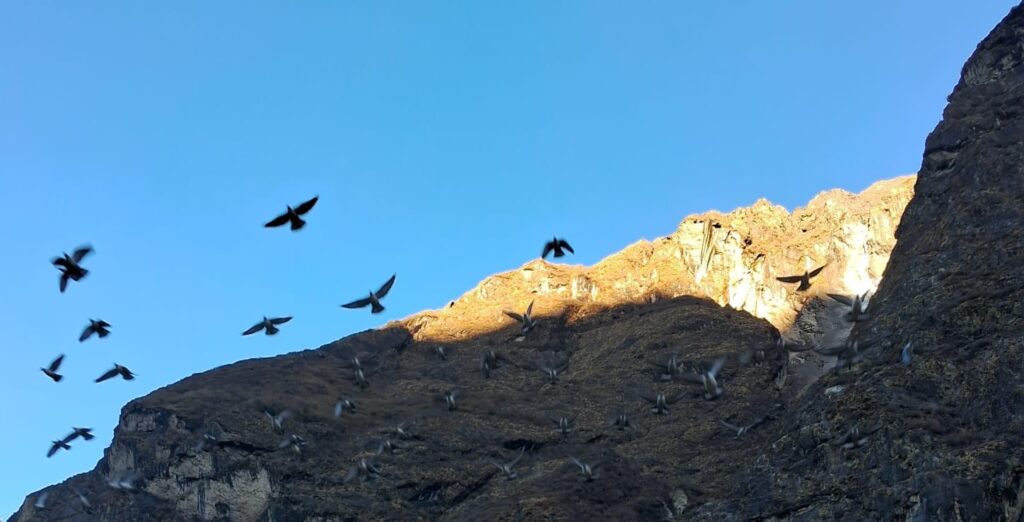
Understanding weather plays another major role in trekking safety in the Langtang region, as weather conditions can change quickly in the Himalayas. Because of this unpredictability, trekkers may have to face significant temperature drops, sudden rain, snowfall, or strong winds that affect visibility and overall safety. Being prepared for variable weather helps prevent these issues to some extent and reduces the risk of slips, delays, or route confusion.
Picking the right season according to the safety factor and personal preference. Here is the seasonal analysis of the weather in the Langtang region to help you plan your trip at the right time.
Spring (March to May): This is considered one of the best seasons for trekking to Langtang, with stable weather, warmer days, and blooming rhododendrons. Trails are usually safe and clear in this season.
Summer/Monsoon (June to August): Trekking is possible in this season, but extra caution is required due to heavy rainfall. It increases the risk of landslides, slippery trails, and leeches at lower elevations.
Autumn (September to November): This is the most popular trekking season because of clear skies, dry trails, and excellent mountain views. This is also considered the safest season.
Winter (December to February): This season has very cold temperatures and snowfall, making higher sections challenging. Lower trails remain accessible for well-prepared trekkers.
Choose the best time and prepare your gear accordingly to have a safe and enjoyable trekking experience in the Langtang region. Always follow your guide’s words as they have more experience with these areas, and remember to check the weather forecast daily.
Packing Essentials for a Safe Langtang Trek
It is very important to pack the right gear to have a safe, warm, and comfortable trek in the Langtang region. Make sure to pack everything, from basic clothing to first-aid properly. Below is the list of essentials so that you don’t forget anything important for your trek:
Clothing
Make sure to pack layered clothing so that you feel comfortable while trekking in the cold region of Langtang.
Clothes: Windcheater Jacket, Thermals, Fleece, Gloves, Insulating Down Jacket, Long-sleeve shirts, Warm inner garments, Towels, Trousers, Trekking pants, Balaclava, Bandana, Shorts, Socks, Gaiters. Make sure to pack waterproof jackets and pants or raincoats for rainy weather.
Footwear: Well-broken-in trekking boots with good ankle support, rubber sandals, and camp shoes are good footwear.
Accessories: Some good additions include sunglasses with UV protection, sunscreen, and sun hats.
Gears and Equipment
Gears: Ropes, Crampons, Ice-claw, Ice Ax, Micro spikes (optional), and Harness.
Equipment: Warm sleeping bags, duffel bags, trekking poles, a map, and extra batteries.
First-Aid
Carrying a well-prepared first-aid kit is a must while trekking to the Langtang region. Especially when travelers have to trek through remote trails with limited medical supplies in higher altitudes. Here is a checklist to help you prepare a basic first-aid kit:
- Personal prescriptions
- Altitude sickness medication (such as Diamox)
- Pain relievers and blister care suppliers
- Rehydration salts and electrolytes
- Bandages and antiseptic wipes
- Small thermometer, antibiotic ointment & antihistamines
Every trekker should know about basic first-aid and early signs of altitude sickness so that they can make better decisions in any situation on the trek. Carrying a first-aid kit can prevent minor discomfort and bigger issues. Trekking with a licensed guide from a reputed agency like us helps as they are well prepared for emergencies.
Trail Conditions and Natural Hazards in the Langtang Region
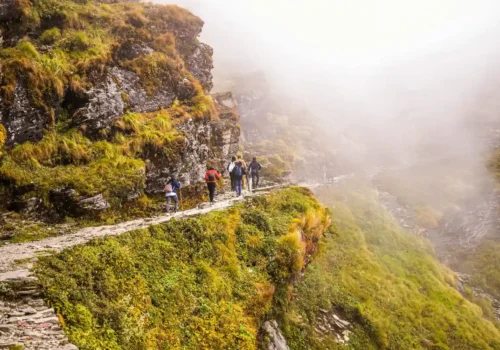
Trekking in the Langtang region means you pass through a variety of terrain, such as river valleys, forested hills, alpine meadows, and High Mountain passes. Although there are mostly well-established routes, the trail conditions vary according to the elevation, season, and the specific trekking route chosen. Lower sections near Syabrubesi, Sundarijal, and Melamchi Gaon often involve stone steps and narrow hillside paths, which can become slippery after rain.
Higher routes like Langtang Valley Trek, Gosaikunda Lake Trek, as well as hikes near Kyanjin Gompa in the Ganja La Pass Trek, involve steep ascents, snow-covered trails, strong winds, and icy sections during colder months. Landslides and rock falls are more common during the monsoon season, particularly in river gorges and exposed slopes across the region. Drawing on local trail knowledge, seasonal awareness, and updated route conditions helps trekkers navigate these natural hazards safely across all Langtang-region treks. Licensed guides help a lot in this as they are well-experienced in these areas.
Health Facilities, Emergency Services, and Rescue Options in the Langtang Region
Health facilities in the Langtang region are limited, which makes preparation and awareness very important for trekkers. You can find basic health posts in some villages along popular routes, like Syabrubesi, Lama Hotel, and Kyanjin Gompa. Minor illnesses, altitude-related symptoms, and first aid can be managed here. These facilities are staffed locally and offer only basic care and should not be relied on for serious medical emergencies.
Organizations such as the Himalayan Rescue Association (HRA) provide valuable altitude awareness and emergency guidance for trekkers across Nepal. In cases of severe altitude sickness, injury, or illness, helicopter evacuation is the primary rescue option from the Langtang region, usually coordinated from Kathmandu. You’ll need a valid insurance policy that covers high-altitude trekking and emergency evacuation.
Trekking with licensed guides from a recognized agency like Outdoor Himalayan Treks makes trekking much safer as they are trained to recognize early warning signs, coordinate with local health posts, and arrange timely rescue when needed.
Required Permits and Regulations for Langtang Trek
All treks in the Langtang region require official permits, regulated by the Government of Nepal, to support conservation and the safety of the trekkers. There is a mandatory permit for all travelers entering the national park area, no matter which trekking route you take in the Langtang region.
Langtang National Park Entry Permit
- Foreigners (except SAARC) – NRS 3,000 per person per entry.
- SAARC – NRS 1,500 per person per entry
- Nepali – NRS 100 per person per entry
Depending on current regulations, you may also need a TIMS (Trekkers’ Information Management System) card, especially when trekking independently or outside organized tour groups.
Trekkers Information Management System (TIMS)
- Foreigners (except SAARC) – NPR 2,000 per person
- SAARC – NRS 1,000 per person
It is very important to check the latest guidelines through official sources like Nepal Tourism Board (NTB) before planning your trek. These permits are typically arranged in Kathmandu and must be carried at all times, as checkpoints are located along the trails. To avoid delays and have a smooth and responsible trekking experience, make sure you have all the required permits in place.
Licensed agencies like Outdoor Himalayan Treks even help you to arrange all the necessary permits and documents, making it easier and hassle-free for you.
Hiring a Licensed Guide and Porter: How They Improve Safety
Hiring a licensed guide has been made mandatory for trekking to the Langtang region by the Nepal Tourism Board (NTB) and the Trekking Agencies’ Association of Nepal (TAAN). This is to ensure the safety of trekkers and encourage responsible trekking in the region. Licensed guides are well-versed with the area and are trained to monitor altitude-related symptoms, assess weather, and trail conditions. Their local knowledge and experience help them make informed decisions about pacing, acclimatization, and route adjustments.
Meanwhile, porters contribute to safety by carrying heavy loads, allowing you to focus on trekking comfortably and reducing physical strain at higher elevations. This lowers the risk of fatigue, injury, and altitude-related complications. Guides also help you navigate through trails that may be affected by landslides, snow, or changing weather. In emergencies, they play a critical role in coordinating with local health posts, rescue services, and helicopter evacuation teams. Trekking with experienced local professionals also ensures respectful interaction with local communities and a more confident trekking experience in the Langtang region.
Food, Water, and Accommodation Safety on the Trail
Food, water, and accommodation along Langtang region treks are generally served at local teahouses, but safety depends on informed choices and proper hygiene practices. Meals are freshly prepared in villages such as Syabrubesi, Lama Hotel, Langtang Village, Kyanjin Gompa, Tharepati, and Gosaikunda, with common options including dal bhat, noodles, soups, and Tibetan-style dishes. It is better to eat hot, well-cooked meals and avoid raw or undercooked foods at higher elevations to reduce the risk of stomach illness.
Drinking water is easily available during the trek in the Langtang region. You can buy mineral water, which costs about USD 2-4 per bottle, fill tap water, or boiled water at teahouses. Drinking directly from natural sources is not safe without treatment. Use water purification tablets, filters, or UV purifiers. Carry a water bottle to minimize plastic pollution.
Choosing well-established teahouses and lodges helps ensure safety and comfort during the trek. They usually offer simple but comfortable rooms with twin beds, warm blankets, and a shared space. These precautions contribute significantly to overall health and safety while trekking in the Langtang region. This concern is addressed by a well-established tour agency like Outdoor Himalayan Treks as they take care of organizing good accommodations, clean foods and water during the trek tothe Langtang region.
Physical Fitness and Mental Preparation for Langtang Treks
Even though Langtang is considered a region for moderate trekking, good physical fitness and mental readiness still play a major role in trekking safely there. The trek in Langtang involves daily walks of 5-7 hours, continuous uphill and downhill sections, and elevations above 3,500 meters. You should really focus on endurance and improving your fitness before your trek to Langtang.
We recommend cardiovascular exercise, leg strength, core strength, upper body strengthening, foot and ankle strengthening, stability & flexibility exercise, and hiking-specific training for physical fitness.
Activities like meditation, breathing exercises, focus and concentration improvement, stress management, goal setting, self-reflection, problem-solving practice, staying positive and calm, practicing every activity, etc., are recommended for mental fitness.
Responsible Trekking and Respect for Local Communities of Langtang
Trekking to Langtang region is a very fulfilling adventure one can have. While this region gives you so much to enjoy and have meaningful experiences, it is everyone’s responsibility to respect and protect it. Practicing responsible trekking helps to protect the Langtang region’s natural environment and cultural heritage while ensuring sustainable tourism for future generations.
Here are some of the key principles to follow while trekking in Langtang:
- Minimize Waste: Follow “Leave No Trace” and carry out all non-biodegradable waste and avoid single-use & plastic items to help preserve the Himalayan ecosystem.
- Stay on marked trails: Avoid straying from the marked path to prevent soil erosion and protect fragile alpine vegetation across the Langtang region.
- Respect local culture and traditions: Be aware of cultural sensitivity, i.e., dress modestly in villages and religious areas, walk clockwise around chortens, ask for permission before taking photos, and treat the traditional customs with respect.
- Support local business: You can help support the local economy by choosing local guesthouses, hiring local guides and porters, and buying from local markets to support mountain livelihood.
- Protect wildlife and ecosystem: Do not disturb the wildlife (that includes feeding them, making loud noise, or interacting with them). Always maintain a proper distance while observing them. Do not do anything that damages the forests and alpine meadows.
- Use resources responsibly: Save water and avoid unnecessary firewood use, and respect limited energy supplies in remote villages.
- Promote sustainable travel: Learn more about the area and participate in sustainable trekking while also encouraging others to do the same.
Practicing these steps, you contribute to preserving the Langtang region’s environment and culture while enjoying a safer, more respectful, and rewarding Himalayan trekking experience.
Safety Tips for First-Time Trekkers in Langtang
Trekking in Langtang for the first time can be a challenging yet fulfilling experience. If you plan your trek well, you can safely navigate through the challenges and turn your journey into an adventure with unforgettable memories.
Essential tips to prioritize:
- Walk slowly and pace yourself: Avoid rushing, especially at higher altitudes, to reduce the risk of altitude sickness.
- Allow proper acclimatization: Take proper rest days where recommended and always pay attention to how your body feels.
- Stay hydrated: Dehydration worsens the AMS in higher altitudes, so drink plenty of fluids and eat hot, nutritious meals to maintain energy levels.
- Maintain proper physical and mental health: Trekking in the challenging terrain of Langtang required extra attention to fitness. Engage in both physical and mental activities to prepare yourself for the trek. You can see the recommended activities above.
- Check weather conditions daily: Frequent and unpredictable weather changes are a challenge in the mountain region. Don’t forget to check the forecast and make backup plans in case of inclement weather.
- Stick to marked trails: Stay on established routes and avoid “shortcuts” to reduce the risk of getting lost or injured and to avoid disturbing the ecosystem.
- Trek with a licensed guide: Guides are not only mandatory, but they also make your trip easier and safer, from planning to execution. They help with important stuff like handling logistics and assisting in emergencies.
- Carry essential gear: warm layers, rain protection, first-aid supplies, and water purification are the most important among the essentials. There is a section above to help you pack your gear.
- Have proper travel insurance: Make sure you have insurance that covers high-altitude trekking and emergency helicopter evacuation before starting the trek.
These are some of the practical tips that first-time trekkers can follow to have a safe, confident, and well-prepared trek in the Langtang region. Also, remember to respect the culture of the area and engage in responsible trekking so that the region maintains its beauty for future travelers.
Frequently Asked Questions (FAQ) about Langtang Trek Safety
- Is the Langtang trek safe for beginners?
Yes. Most treks in the Langtang region are considered safe, especially Langtang Valley treks. With proper acclimatization, basic fitness, and sensible pacing, first-time trekkers can complete these routes safely. Hiring a licensed guide further improves safety.
- How difficult is trekking in the Langtang region?
Langtang region treks range from easy to moderately challenging. Trails involve steady ascents, stone steps, and daily walking of 5-7 hours. Higher routes, such as Gosaikunda Lake, are more demanding and better suited for trekkers with prior experience.
- Is Langtang safer than Everest or Annapurna treks?
In many ways, Langtang is often considered as safer then both Everest and Annapurna treks, especially for first-time Himalayan trekkers. Langtang treks generally involve lower altitudes and fewer high passes than some Annapurna and Everest itineraries, along with less crowd congestion and simpler logistics. While all Himalayan treks carry inherent risks, Langtang offers a balanced combination of safety, scenery, and cultural experience when compared with the Everest and Annapurna regions.
- Can beginners get altitude sickness in Langtang?
Yes. Altitude sickness can affect anyone, regardless of fitness or experience. Symptoms may appear above 2,500-3,000 m. Proper acclimatization, hydration, and gradual ascent significantly reduce the risk.
- Are there medical facilities in the Langtang region?
Basic health posts are available in villages like Lama Hotel, Langtang Village, and Kyanjin Gompa, but facilities are limited. Serious cases require evacuation to Kathmandu. Travel insurance covering high-altitude rescue is strongly recommended.
- What is the best season to trek in the Langtang region?
The best seasons are:
- Spring (March to May): stable weather, rhododendron blooms
- Autumn (September to November): clear skies, excellent mountain views
These periods offer the safest trekking conditions.
- Is it safe to trek in Langtang during the monsoon or winter?
Trekking is possible but requires caution:
- Monsoon (June to August): landslides, leeches, poor visibility
- Winter (December to February): cold temperatures, snow at higher passes
Only experienced trekkers with guides are advised during these seasons.
- Do I need a guide for trekking in the Langtang region?
Yes. Hiring a licensed guide is not only mandatory but also strongly recommended for safety, navigation, weather awareness, and emergency response.
- What permits are required for Langtang treks?
Trekkers need:
- Langtang National Park Entry Permit
- TIMS Card (Trekkers’ Information Management System)
Permits are regulated for conservation and trekkers’ safety tracking.
- Is a mobile network or internet available on Langtang treks?
Mobile networks (NTC/Ncell) work in lower villages and some higher areas, but coverage is unreliable. Wi-Fi is available in some teahouses for a fee. Do not rely solely on connectivity for emergencies.
- What should I do in case of an emergency during the Langtang trek?
Inform your guide or lodge owner immediately. Guides can coordinate:
- Descent to a safer altitude
- Contact rescue services
- Arrange helicopter evacuation if required
Having travel insurance details readily available is crucial.
- Is a helicopter rescue available in the Langtang region?
Yes. Helicopter rescue is available but depends on weather conditions and visibility. Insurance coverage for high-altitude trekking is essential before trekking.
- Is safe food and drinking water available during the Langtang trek?
Food in teahouses is generally safe when freshly cooked. Stick to hot, freshly prepared meals and avoid uncooked or unpeeled items at higher altitudes. Tap and stream water should always be treated. Use water purification tablets, UV purifiers, filter bottles, etc., to reduce health risks and plastic waste.
- What kind of accommodation is available on Langtang treks?
Accommodation is mainly teahouses and lodges, offering basic rooms, meals, and common dining areas. Facilities become simpler at higher elevations.
- How do I book a trip with Outdoor Himalayan?
To book a trip to the Langtang region with Outdoor Himalayan, visit the website and fill out the booking form or contact us directly via email or phone. We will provide you with the necessary details and assistance for your trekking experience.
Final Takeaway: Trek Langtang Safely and Responsibly
Trekking in the Langtang region can be a safe, rewarding, and deeply memorable experience when approached with the right preparation and mindset. Across all Langtang treks, the key safety principles remain consistent: respect altitude and acclimatization, trek in the right season, stay aware of weather and trail conditions, prioritize health and hydration, and follow local regulations. Choosing reliable routes, allowing enough time, and understanding your physical limits are just as important as good gear.
Above all, expert support makes a real difference. Experienced local guides, well-planned itineraries, and on-ground knowledge help you navigate challenges before they become risks. If you are planning a Langtang trek and want peace of mind from start to finish, consider trekking with a trusted agency that understands the region inside and out. Our team is here to help you plan safe, well-paced, and enriching Langtang trekking experience tailored to your needs.
If you have any question or want to book a personalized trip with us, feel free to contact our team for expert guidance.
Updated On: 13 Aug 2026