Accommodation:
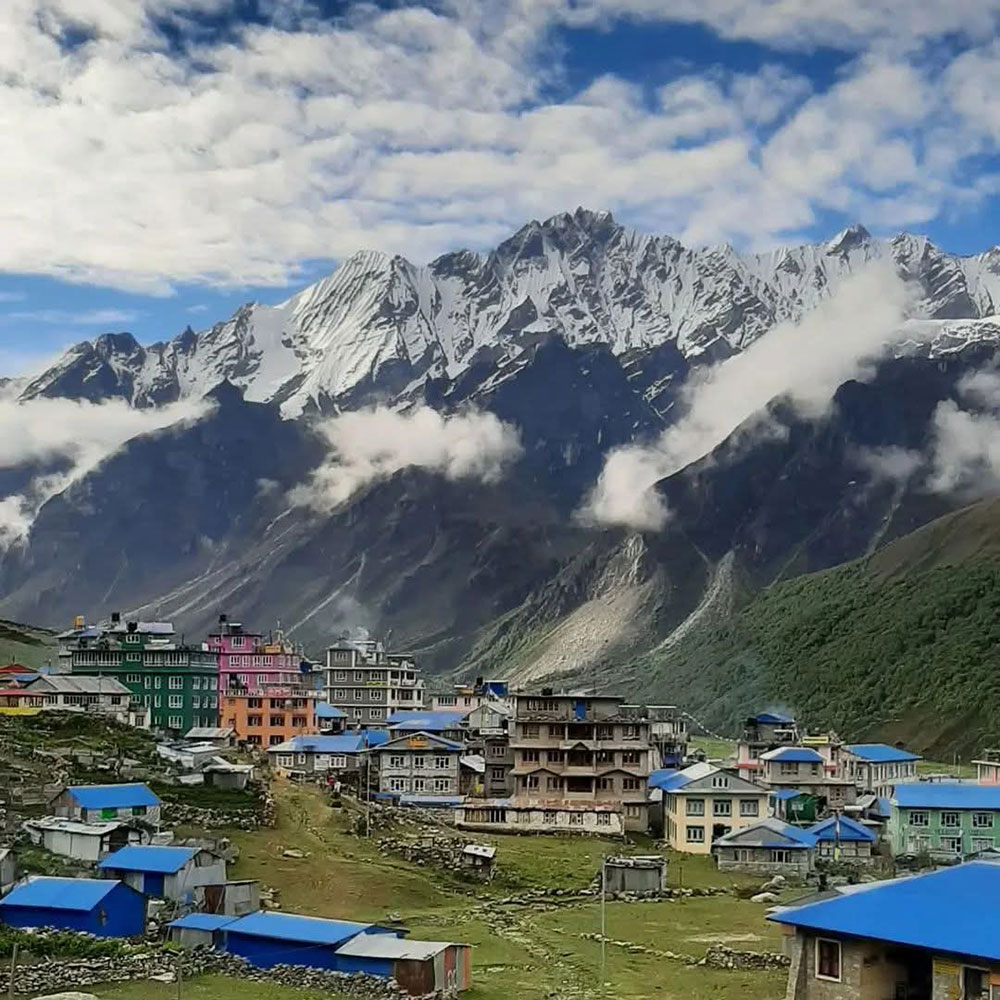
Teahouses and lodges along the Langtang trek are basic but comfortable. Bathrooms are usually outside the room. Extra charges apply for Wi-Fi, device charging, hot bucket water. Phone networks work well in lower regions.
Meals:
Full-course healthy meals are served three times daily. Breakfast and dinner are at the teahouse where you stay, while lunch is eaten at stopovers along the trail. Expect meals like dal bhat, noodles, momo, Tibetan bread, etc.
Drinking Water:
Water is easily available throughout the trek. Options include mineral water (Rs. 150-25- per bottle), boiled water, or tap water at teahouses. Carry a reusable bottle to reduce plastic waste. Using purification drops or tablets is also a smart choice.
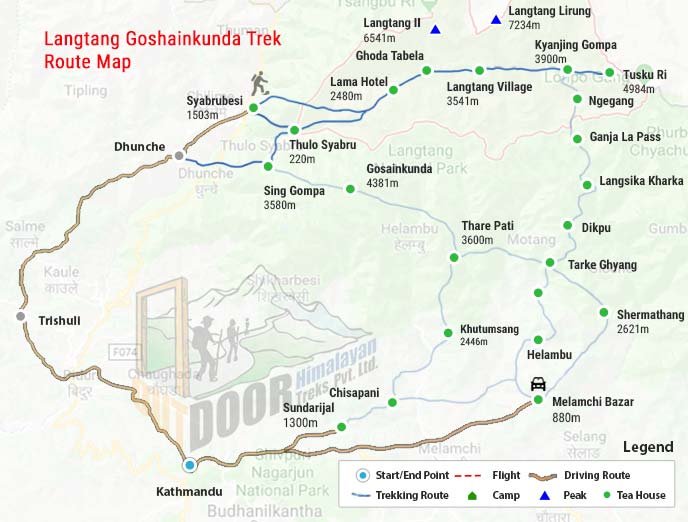
Public buses and sharing jeeps are the main means of transportation during the Langtang Valley Trek, as there are no flights to this region. The journey from Kathmandu to Syabrubesi and back takes about 7-8 hours each way through scenic hills and countryside.
Kathmandu – Syabrubesi – Kathmandu: By local bus or sharing jeep.
Private vehicles from Kathmandu to Syabrubesi and back are also available at an additional cost for those seeking more comfort and flexibility.
The ideal seasons for the Langtang Valley Exploration trek are Spring (Mar-May) and Autumn (Sep-Nov) as the weather and temperature are stable. They offer incredible vistas. The winter and rainy seasons are riskier to trek due to the unstable weather and temperature, slippery trails, and limited availability of accommodation and services. Still, it is possible to trek with proper planning and preparation.
Langtang Valley Exploration trek requires compulsory two permits i.e. Langtang National Park (LNP) and the Trekkers Information Management System (TIMS).
Langtang National Park (LNP)
- Foreigners- USD 30/person
- SAARC- USD 15/person
Trekkers Information Management System (TIMS)
- Foreigners- NPR 2000/person
- SAARC- NPR 1000/person
- Diplomats/Foreign Officials & their families- NPR 500/person
Documents required
- Scanned copies of passport-sized photos and passports of each participant
- Travel Insurance
- Langtang National Park (LNP) Permit
- TIMS
Difficulty:
Langtang Valley is a moderate-level trek reaching 5,033 m. the trail involves daily long walks on steep, rocky paths, but requires no technical climbing. Suitable for trekkers with average fitness. Previous experience helps, but our support team is with you every step of the way to make it easier and safer for you.
Fitness:
Good physical and mental fitness is essential. With proper preparation and acclimatization, this trek is achievable for most. Familiarity with mountain terrain is a plus.
Physical Exercises: Cardio, leg strengthening, core work, and regular hiking practice.
Mental Exercises: Meditation, breathing techniques, staying positive, and setting small daily goals might help.
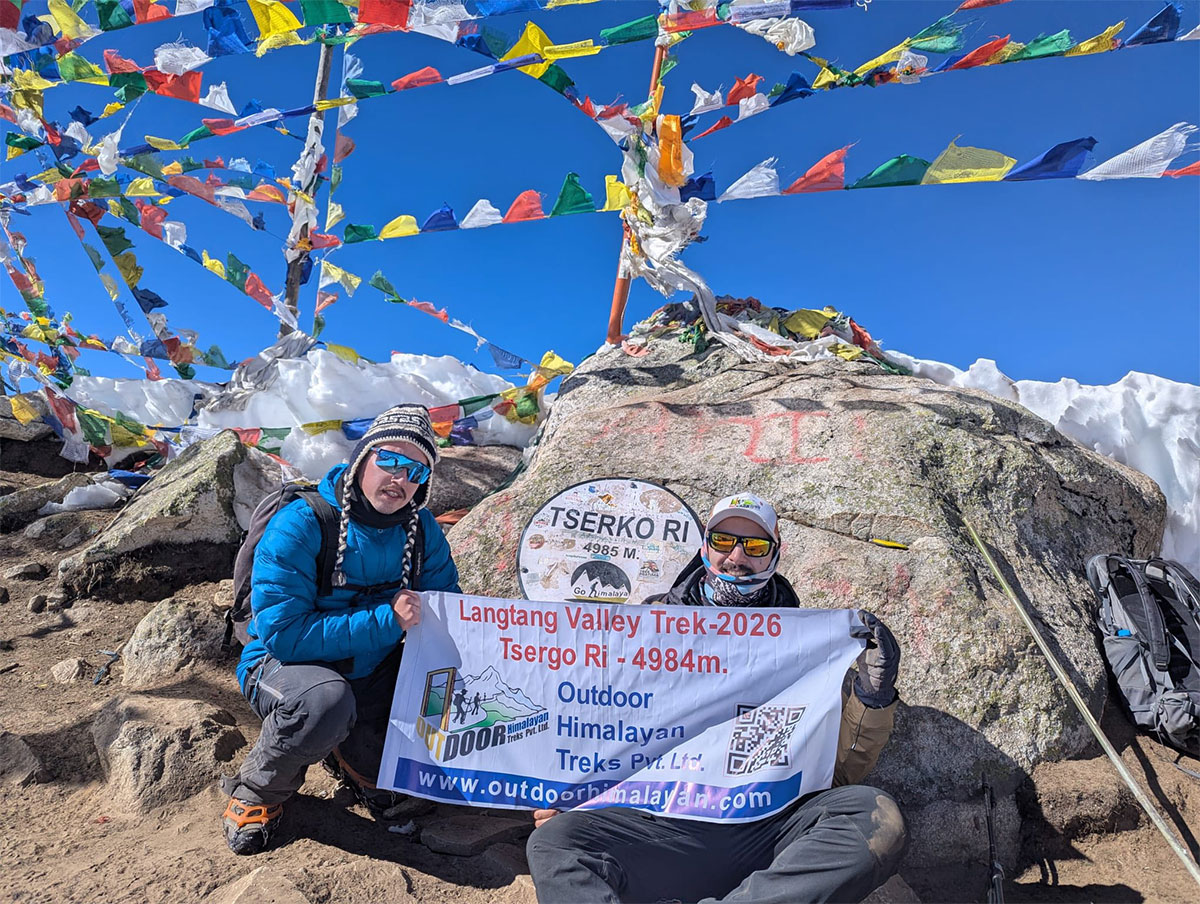
The maximum elevation during the Langtang Valley Exploration trek is 5,033 m (Tsergo Ri). Altitude sickness is common above 2500 m. As the elevation gains, there is a high chance of getting altitude sickness. Thus, acclimatization rest is essential to prevent it. Take an acclimatization rest as suggested in the itinerary during the trek.
Common symptoms of Altitude Sickness
Headache, nausea, dizziness, uneasiness, appetite, and sleep loss, and on extreme some can experience unconsciousness and hallucination.
Preventions for Altitude Sickness
- Take an acclimatization rest
- Inform the guide
- Climb slowly and gradually
- Keep yourself Hydrated
- Avoid alcohol and salty foods
- Know your body limit
- Take a complete rest and sleep
- Take medicine consulting a guide
It acts as a safety net and is essential for trekking. We recommend getting travel insurance from a reputed company.
- Make sure that you are insured against cancellations, accidents, health, emergency evacuation and loss, theft of, or damage to, baggage, and personal effects.
- In emergencies, we will arrange for a helicopter rescue, medical treatment, and aftercare for you. All these costs shall be borne by your travel insurance company.
Langtang Valley Exploration is a moderate-level trek. Thus, it requires basic equipment and gear that trekkers can hire or bring on their own.
Clothes: Windcheater jacket, Thermals, Insulating Down Jacket, Fleece, Long sleeve shirts, Gloves, Towels, Inner garments, Trekking pants, Trousers, Shorts, Socks, Raincoat, Balaclava, Bandana, Gaiters
Shoes: Camp shoes, Pair of hiking boots, Rubber sandals
Essential Documents: Passport, Travel Permits, Visa Photocopy, Passport size photos
Food: Light snacks, Energy bars, and drink mix
Accessories: Sunglasses, Hats/Caps, Sunscreen, Lip Balm, Water bottles, Pocket Knife, Solar chargers, Batteries, Head Lamps, Torch, Umbrella, Sewing kit, Water Purifying solution kits, reusable bags to deposit waste, separate clean/dirty clothes
Equipment: Warm Sleeping bags, Map, Trekking poles, Duffel bag